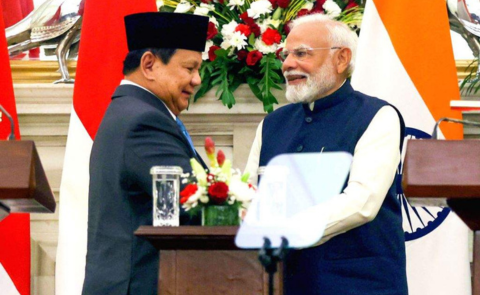
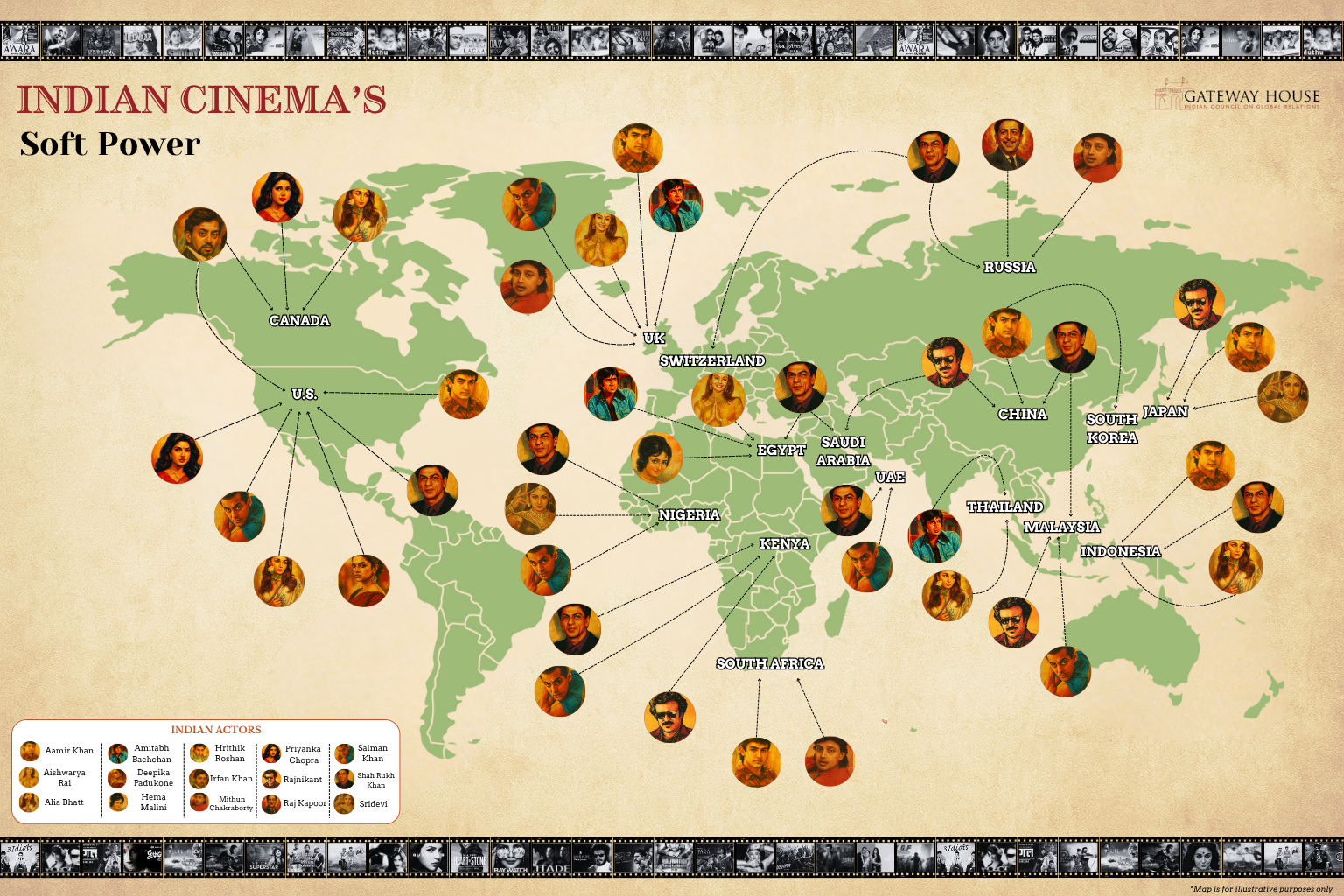
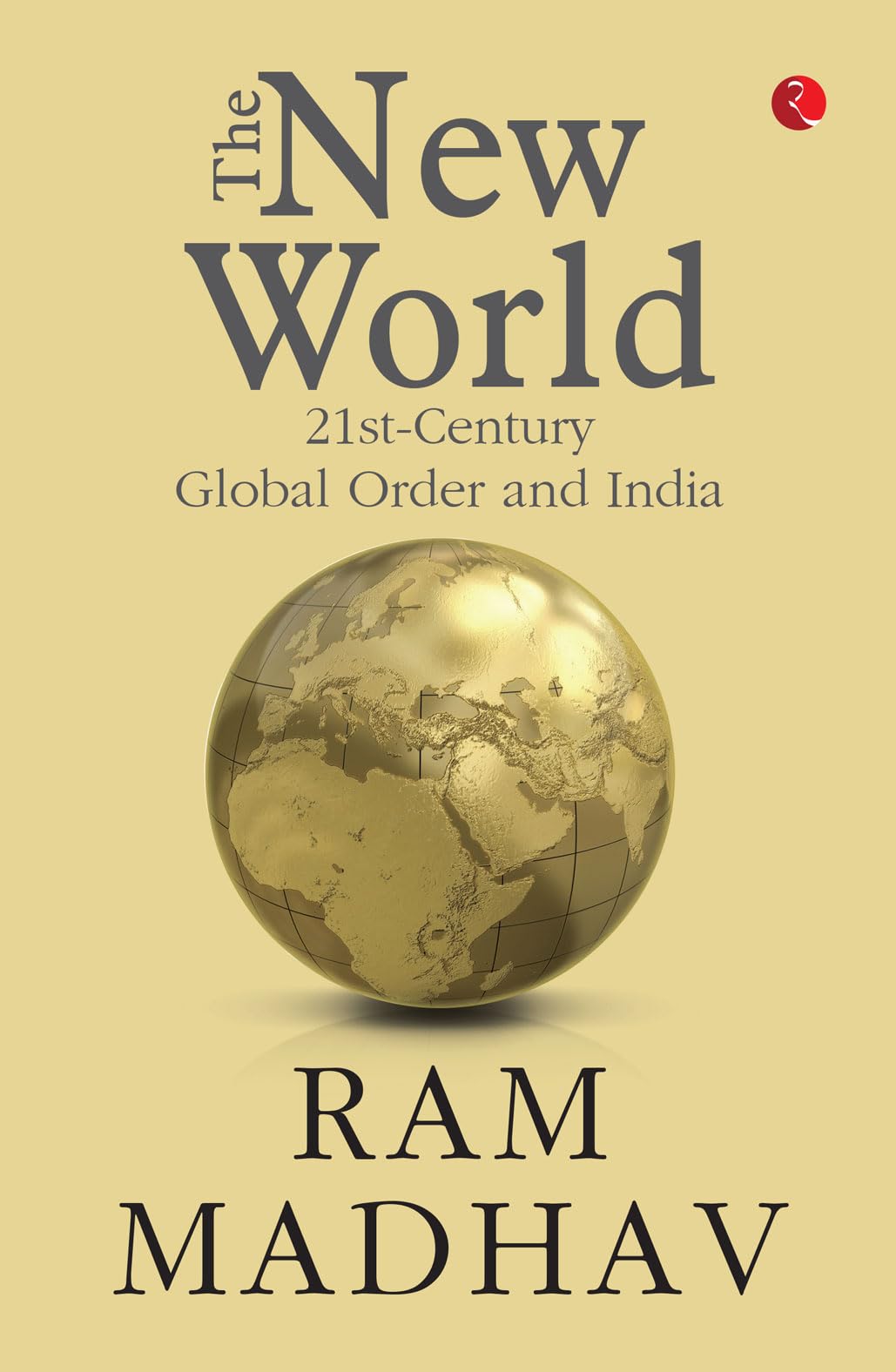
World Leaders Courtesy: East Asia Forum
17 April 2025

Multipolarity is gaining ground

The traditional power structures of ‘unipolarity’ or ‘bipolarity’ prevalent over the past 80 years are no longer appropriate to describe the current global order, with more countries increasingly supporting the evolving multipolar world. With the old ‘rules-based’ order becoming less relevant, emerging powers like India have an opportunity to draft more equitable rules to match their multipolar intentions.

Report Courtesy: Körber-Stiftung
17 April 2025

Momentum for Middle Powers: Emerging Middle Powers Report

The world is undergoing profound transformations that are not being driven only by the United States, China or Russia. Small and medium-sized States are carving out a legitimate place for themselves in the emerging new order. This second edition of our annual Emerging Middle Powers Report is a reminder that the signs of the times are showing a new momentum for middle powers.

231207084123-xi-jinping-eu-leaders-120723 Courtesy:
23 May 2024

Xi’s diplomatic push in Europe

Chinese President Xi Jinping's three-nation tour to France, Serbia and Hungary in early May highlighted China's aim to bolster ties and navigate shifting global power dynamics. The trip's implications are significant for all major powers, including India, which must inject more creativity and energy in building up its strategic partnerships with G7 nations after the elections.

3d25bf28-0a5a-4e50-ad23-96c8659aca34 Courtesy: Bayerischer Rundfunk
16 May 2024

NATO@75

The North Atlantic Treaty Organisation turns 75 this year. It has exceeded its original mandate of a collective defence for Europe and is expanding rapidly. From restraining the rise of Russia, it is now seeking non-NATO allies in Asia who wish to restrain China. This requires a nimbler, more dynamic alliance. Can NATO respond to the transformation?

Report Photo Courtesy: Körber-Stiftung
18 March 2024

Listening Beyond the Echo Chamber: Emerging Middle Powers Report

Divergent global reactions to major crises such as those sparked by the war in Ukraine and NATO’s Afghanistan withdrawal have widened the chasm between Western countries and emerging middle powers. This survey, conducted among nearly 1,000 experts from India, Brazil, South Africa and Germany, examines key foreign policy priorities in these countries, and reveals that despite differences, dialogue is possible.

China Germany Courtesy: Deutsche Welle (DW)
20 July 2023

Germany’s new China strategy

On July 13, the German cabinet approved its Strategy on China after nearly two years of internal discussions. The new strategy simultaneously views China as a “partner, competitor, and systemic rival”, calling for de-risking German economic dependence on China, while also expanding cooperation with other countries in the Indo-Pacific region.

task force cover 420 Courtesy: Gateway House
16 February 2023

G20 Energy Transitions and Climate Finance Task Force Report

Significant progress has been made globally in adopting green energy. Technological advances, easier availability of capital and regulatory measures have helped. But progress is likely to slow due to the shocks caused by Covid-19 and the Ukraine crisis. How to continue the green transition whilst ensuring that lower-income countries have access to affordable energy? This Task Force offers recommendations for India’s G20 Presidency.

GH in the G20 & T20 Courtesy: Gateway House
16 December 2022

Gateway House in G20 & T20

Gateway House is the only institution in India that has hosted official and independent meetings under the annual G20 process since 2015. In October 2022, Gateway House initiated an independent G20 Task Force on Energy Transitions and Climate Finance, the first task force of India's G20 Presidency of 2023. In this compendium of reports, Gateway House assesses and includes its engagement with this influential multilateral through task forces, research and meetings of the last nine G20 Presidencies.

G7GS Courtesy: telegraphindia.com
13 July 2022

The G7 woos the global south

The G7 has reached out to emerging economies which have, of late, been facing challenges on the economic front, brought on by the lingering pandemic and the mismanagement of the Ukraine crisis. They are also seeking, from the global south, a broader acceptance of their world view. Will it be forthcoming?

china pakistan flags Courtesy: Shutterstock
22 June 2022

Understanding Pakistan’s China Debt Problem

Pakistan’s latest economic survey reveals the extent of the country’s indebtedness to China. High-interest Chinese loans, reckless multilateral borrowing, and ever-increasing defence budgets have deleteriously impacted Pakistan’s finances. Any lasting solution to these problems will have to involve China.