Untitled design (10) Courtesy: Foreign Affairs
15 January 2026

How Strong are The Strongmen?

Not long ago in the sweep of history, countries that had once been buried behind the Iron Curtain, and even some Soviet republics, were transformed into members of the solidly democratic club. Some of those that weren’t, such as Ukraine, Georgia, and Kyrgyzstan, experienced mass revolts against rigged elections and corrupt misrule amid widespread public yearning to join the West. Free trade was again celebrated as an instrument of peace; Kant’s “democratic peace theory” enjoyed a revival.

Website articles  (32) Courtesy: Gateway House
15 January 2026

Reviving U.S.-India high school exchange programmes

The new U.S. Ambassador to India, Sergio Gor, has much to do – and reviving high school exchange programmes stalled due to funding shortages is one important task. Students are a significant element of the bilateral: 300,000 Indian students study in the U.S., but barely 1% of that comprises U.S. students in India. The exchange programmes can bridge the gap - and India can pick up some of the tab.

Website articles  (31) Courtesy: BBC
15 January 2026

Venezuela and the Donroe Doctrine

U.S. action in Venezuela has resurrected the 200-year-old Monroe Doctrine which sought to prevent foreign interference in the Western Hemisphere. Originally intended to keep European colonial powers away, it has been reinterpreted over the years beyond that. Donald Trump has reasserted and updated it to the “Donroe Doctrine,” to revitalise U.S. regional hegemony – and through it, some reduction of Chinese and Russian influence.

Website articles  (28) Courtesy: High Commission of India, Colombo
15 January 2026

Leveraging Indian aid for cyclone-hit Sri Lanka

Cyclone Ditawah has put a serious dampener on Sri Lanka’s rosy post-budget economic outlook. Sri Lanka can help itself by using available national resources, but India can help too, by partnering with multilateral development banks to manage the post-Cyclone Ditwah reconstruction implementation strategy. It can also share its experience of implementing gradual economic reforms and policy planning under Niti Ayog to support Sri Lanka’s efforts.

Website articles  (25) Courtesy: Gateway House
8 January 2026

Afghanistan vs. Pakistan = advantage India

The ongoing tensions between Kabul and Islamabad regarding the closure of trade routes could significantly alter the trade landscape in South Asia. This strain can benefit India. The export and import of merchandise goods between India and Afghanistan are expected to experience significant growth, provided New Delhi moves swiftly.

News on Air Courtesy: News on Air
8 January 2026

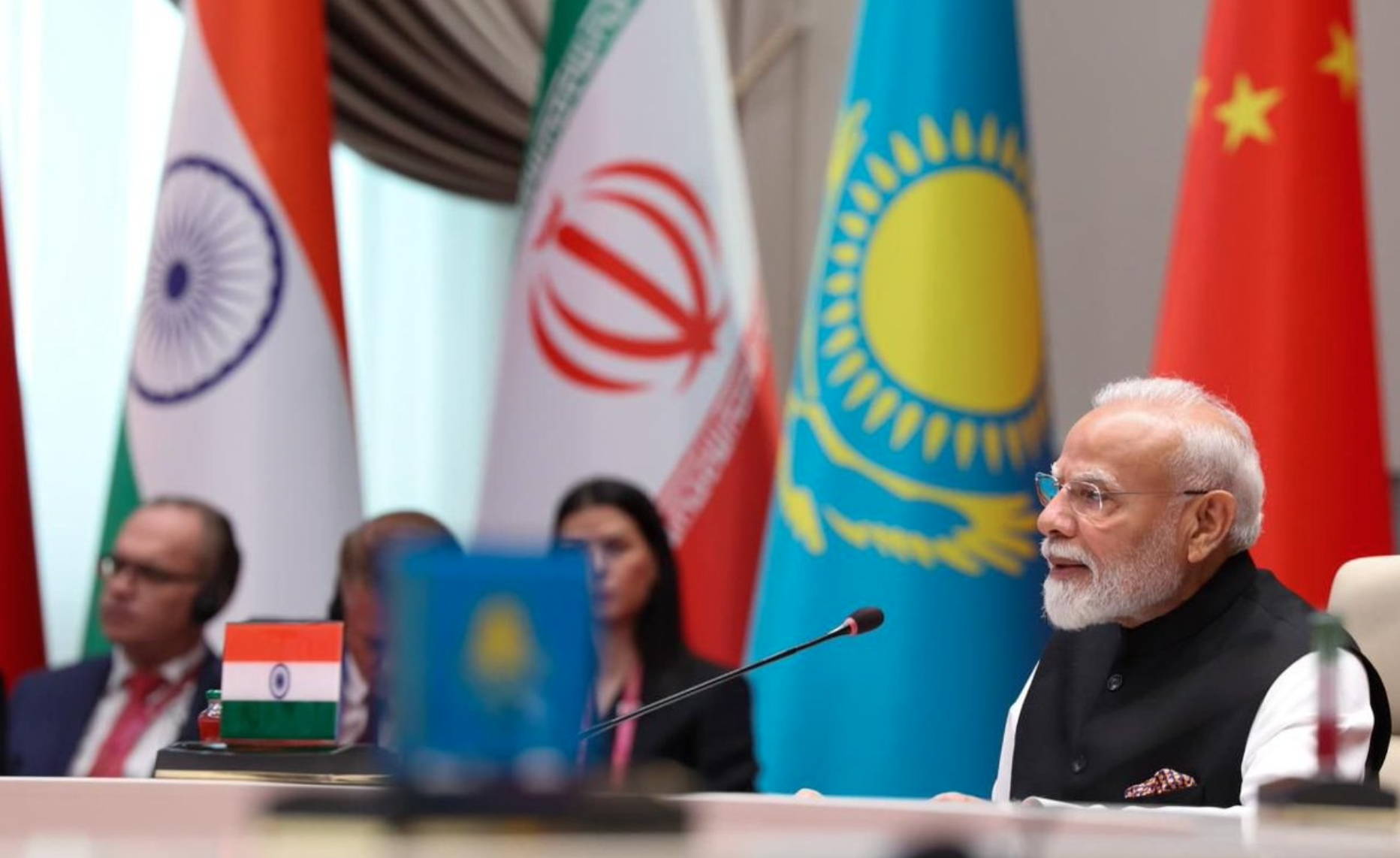
2026: India’s foreign policy challenges

In the shifting sands of contemporary geopolitics, terms such as ‘fluid multipolarity’, ‘multiplexity’, ‘tripolarity’, and ‘bipolarity with multipolar characteristics’ are replacing the old dogmas and orders. But what is driving the world today? How does India plan to protect its vital interests in the current age of ongoing polycrisis? The road ahead is challenging, marked by risks and uncertainty.

Website articles  (27) Courtesy: Gateway House
8 January 2026

India-Oman CEPA: what it means?

India and Oman signed the Comprehensive Economic Partnership Agreement (CEPA) on December 18, 2025. The agreement reflects India’s approach to engaging with trusted partners while rediscovering its historic trading ties. Ambassador Anil Wadhwa explains what CEPA means for India: it is less about becoming a global gateway and more about anchoring a strategic economic partnership in a geopolitically sensitive region.

Website articles  (21) Courtesy: Alamy
24 December 2025

Japan in Bombay: trade, faith and community

The earliest sizeable presence of Japanese expatriates in India was in colonial Bombay and its Presidency. The Japanese came for trade, but their engagement with the port city and its cotton hinterland went beyond commerce to include spiritual life and later, India’s national movement. This chapter, ‘Geographies of Exchange between Japan and India’, traces their community, religion, social infrastructure, and commercial and cultural contributions to Bombay.

Oman and Zanzibar virtual museum Courtesy: Oman and Zanzibar Virtual Museum
24 December 2025

Bombay-Oman-East Africa trade networks

In December, India and Oman signed a Free Trade Agreement – a formalisation of exchanges which are, in fact, two hundred years old. These were led by the Indian merchant diasporas, especially the Bhatia, Bohra, Khoja, Khimji and Jain communities, which used Omani-controlled maritime networks to link Bombay with East Africa. These networks still endure, and among the oldest, strongest, and culturally richest are the Bombay-Oman-East Africa connections.

The Muslim News Courtesy: The Muslim News
24 December 2025

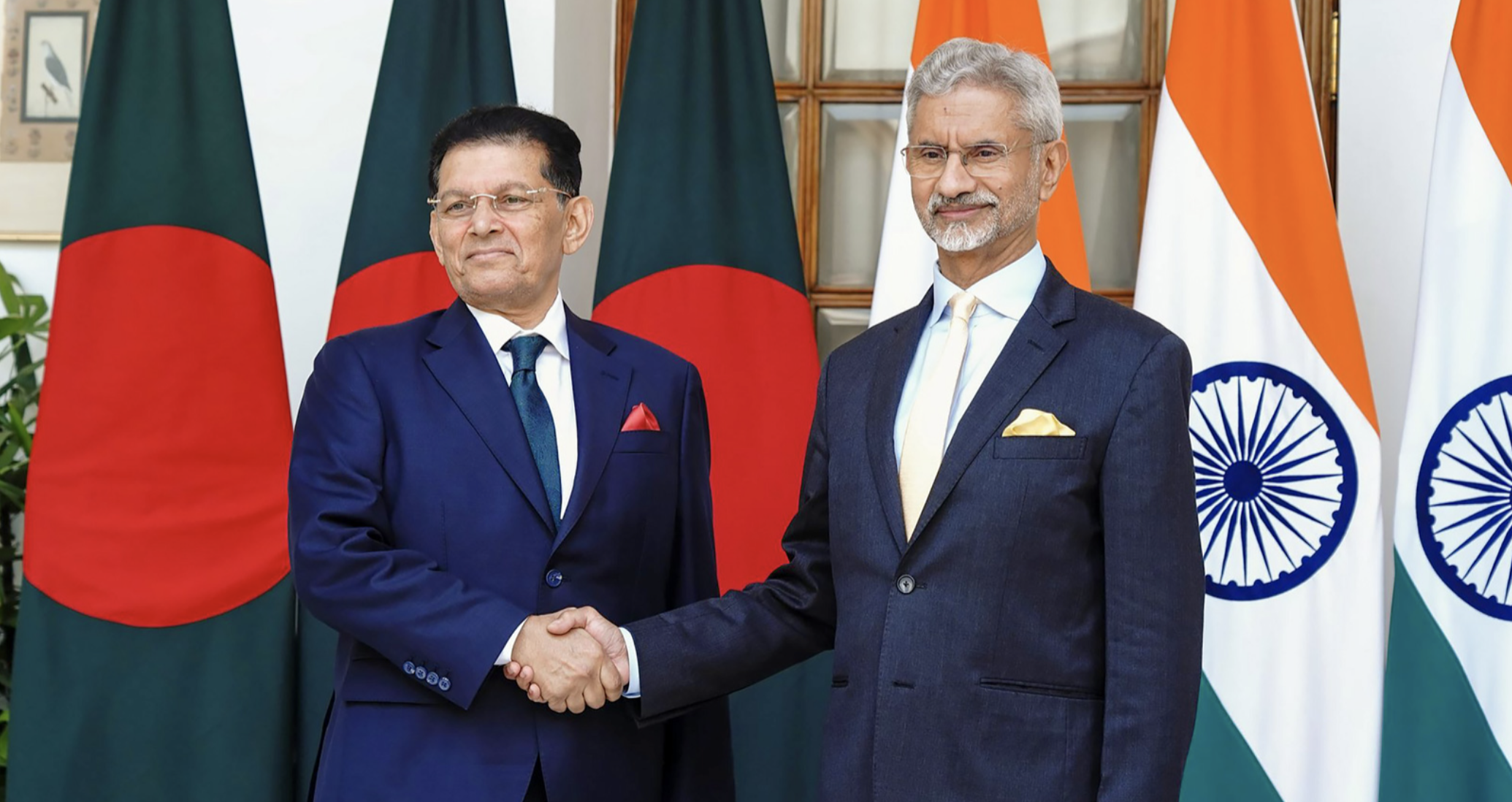
How the West cheered Dhaka’s collapse

On December 18, Sharif Osman Hadi, a prominent leader of the 2024 student-led uprising, was assassinated. What began as protests against civil service quotas became a leaderless uprising. As Western powers celebrated a “democratic dawn”, Bangladesh slid into structured anarchy. Dhaka now faces two futures with terrifying clarity: one with elections skewed by military advantage and Islamist mobilisation, and the other by acknowledging that democracy cannot be airlifted.