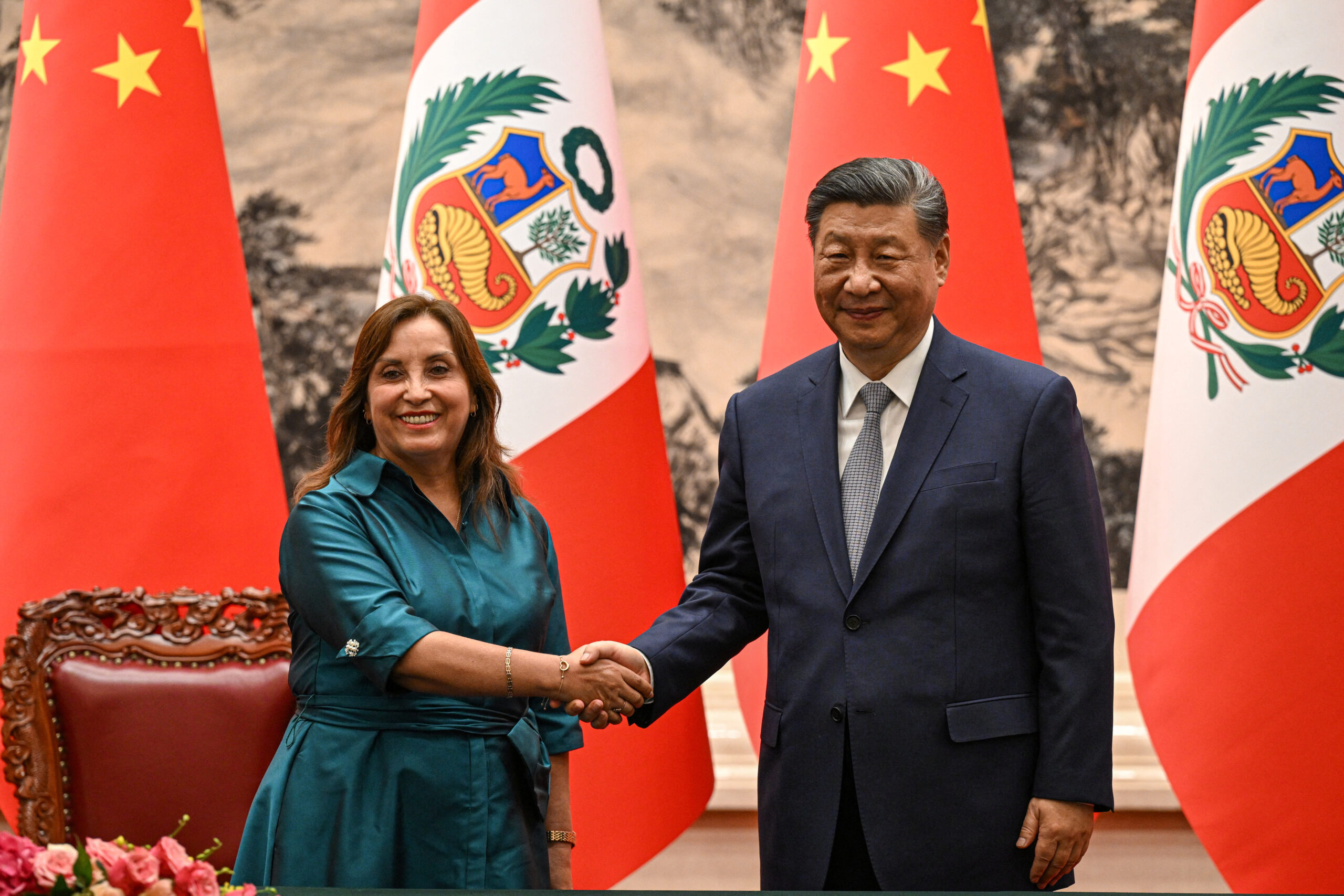
China's President Xi Jinping and Peru's President Dina Boluarte shake hands during a signing ceremony at the Great Hall of the People in Beijing, China June 28, 2024. JADE GAO/Pool via REUTERS Courtesy: Atlantic Council
12 December 2024

Xi Jingping’s Latin Success

Xi Jinping’s visit to South America to attend the APEC and G20 meetings had multiple goals. To inaugurate a new gateway for China in Peru’s Chancay port, sign three dozen cooperation agreements with Brazil, and make nice with the continent’s nations from Chile to the Honduras. Did it succeed in expanding China’s influence in the region? Most certainly, yes.
APEC 2024 Courtesy:
28 November 2024

 Power play at APEC

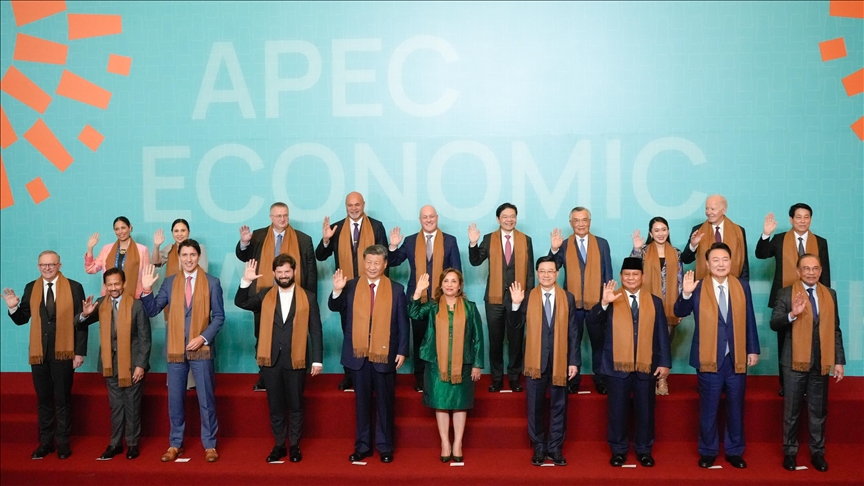
The Asia Pacific Economic Community summit, held in Peru from Nov 13-15, attracted many leaders, but most eyes were on President Xi Jinping of China who cut the ribbon on a Peruvian port, China’s largest investment in South America. Meanwhile the APEC CEO Forum was more interested in the impact of incoming U.S. President Donald Trump on their economies and on the region.

shutterstock_1091235845 Courtesy: Shutterstock
15 October 2020

UN: Necessary but reformed

The UN turned 75 this year but instead of grand celebrations, the world witnessed an empty UNGA with world leaders addressing it via video screening because of the pandemic. The UN is under unprecedented stress and being shown up for its inability to tackle the challenges of today like the pandemics, climate change, terrorism or global peace and security. The institution's key governing structures, especially the UN Security Council, are inadequate and demand reform. India must now use gritty resolve to ensure its place in these governing structures.

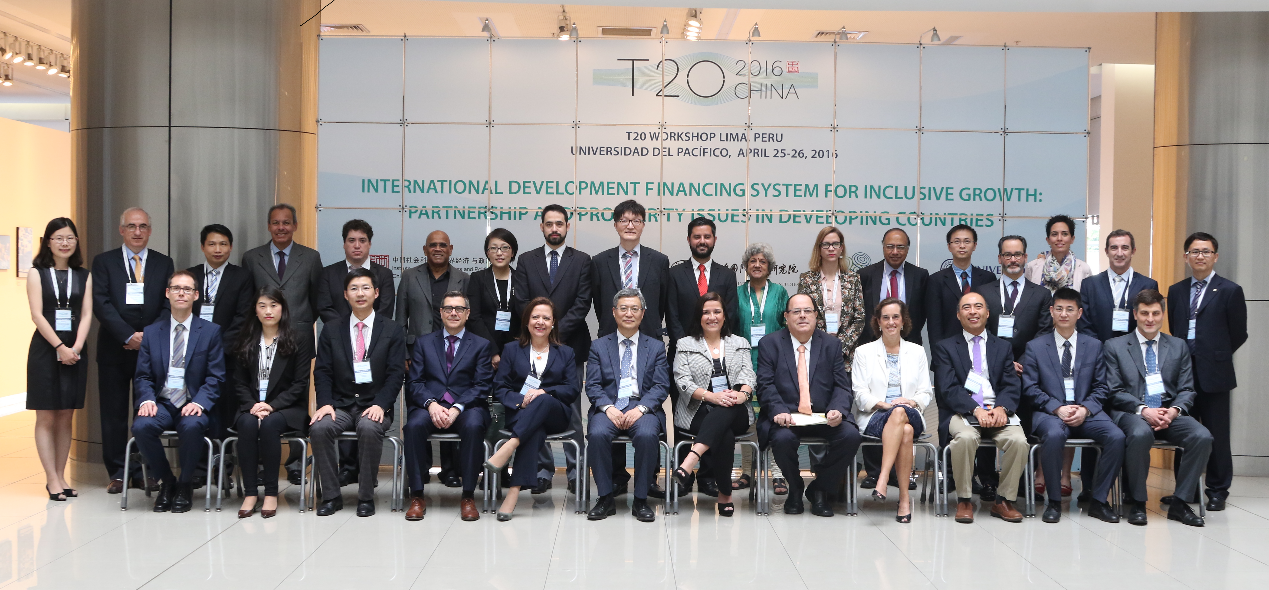
t20lima Courtesy: Gateway House
19 May 2016

T20 in Lima: a Latin insight

A T20 workshop in Lima, Peru, provided the opportunity to for a deeper insight into the the Latin American economic situation. While the workshop focused on finding innovative solutions to sustain high growth in middle-income countries. There is a need for India and similar countries, to become sensitized to each others problems on development.

TPP Courtesy: ustr.gov
3 March 2016

A fine line: TPP and India

The Trans-Pacific Partnership has dropped strong Intellectual Property Rights regulations on India’s doorstep. The implications of these regulations could affect India’s own policies, as well as her global aspirations towards the potential Regional Comprehensive Economic Partnership.

TPP Courtesy: ustr.gov
26 November 2015

TPP & ISDS: new tests for India

The U.S.-driven Trans Pacific Partnership agreement between 12 countries, which is aiming to become the new standard of world trade, impacts domestic systems globally. For India, it will skew investment and intellectual property rights, and especially the debate over the Investor State Dispute System which allows companies to challenge sovereign rights and public policy.

Leaders_of_TPP_member_states Courtesy: Wikipedia
14 October 2015

TPP: trade-offs and imperatives

Although it is too soon to comprehensively analyse the Trans-Pacific Partnership agreement of October 5, it is worth assessing what is known. Here are the facts, the controversies, the assessments, and the implications for countries that are not part of the agreement, especially India.

Dilma Xi Courtesy:
14 May 2015

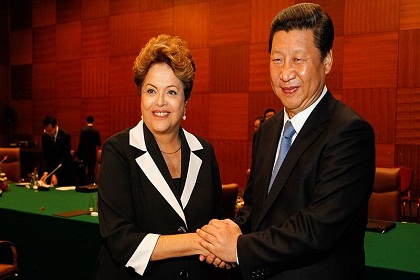
China in Latin America

China's influence and presence in Latin America has grown rapidly in the form of trade and investment. China's growing presence is both a concern for Latin America and the U.S., which creates a window of opportunity for India

Bolsa Familia Courtesy: globalsherpa.org
2 January 2015

Decoding conditional cash transfers

The Indian government has undertaken a massive financial inclusion scheme to bring bank accounts to the poor. But poverty alleviation needs to be addressed at multiple levels for which the Latin American example of using targeted and customised conditional cash transfer programmes can help India

Climate-Lima-reuters Courtesy:
17 December 2014

The Lima agreement

The agreement signed at the Climate Change conference at Lima should be a triumph of diplomacy but the reality is quite the opposite. Although the agreement means there is now global unanimity on the need for climate action, the text in the agreement falls short on nearly every indicator