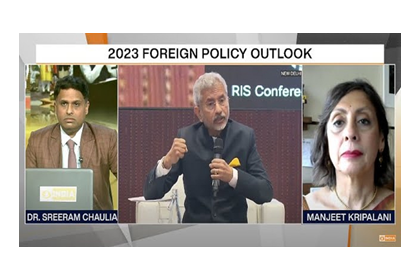
Analysis of main milestones, opportunities, challenges and threats for Indian foreign policy in the New Year live on Doordarshan. Featuring commentary by Manjeet Kripalani, Co-founder & Executive Director, Gateway House and Dr. Deepshikha Shahi, O.P. Jindal Global University
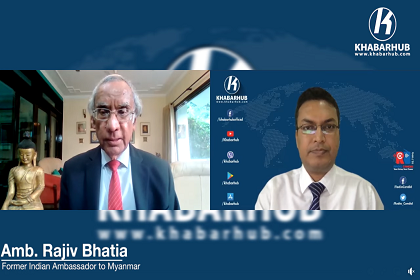
On 6 October 2021, Ambassador Rajiv Bhatia, Distinguished Fellow, Foreign Policy Studies Programme, spoke to Dr. Pramod Jaiswal, Strategic Affairs Editor at Khabarhub on the role of Nepal in BIMSTEC and SAARC, in an analysis of the 17th BIMSTEC ministerial meetings. He also highlighted the role of SAARC and BIMSTEC in countering Chinese influence in the region.
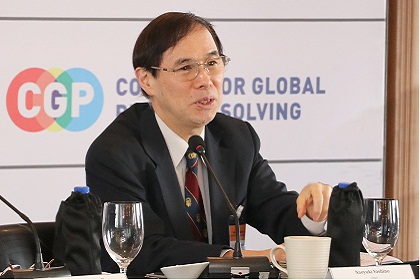
Naoyuki Yoshino, Dean, Asian Development Bank Institute, outlined some of the issues that will concern Japan, which is president of the G20 this year. He was in Mumbai for the India-Japan dialogue, organised by Gateway House recently
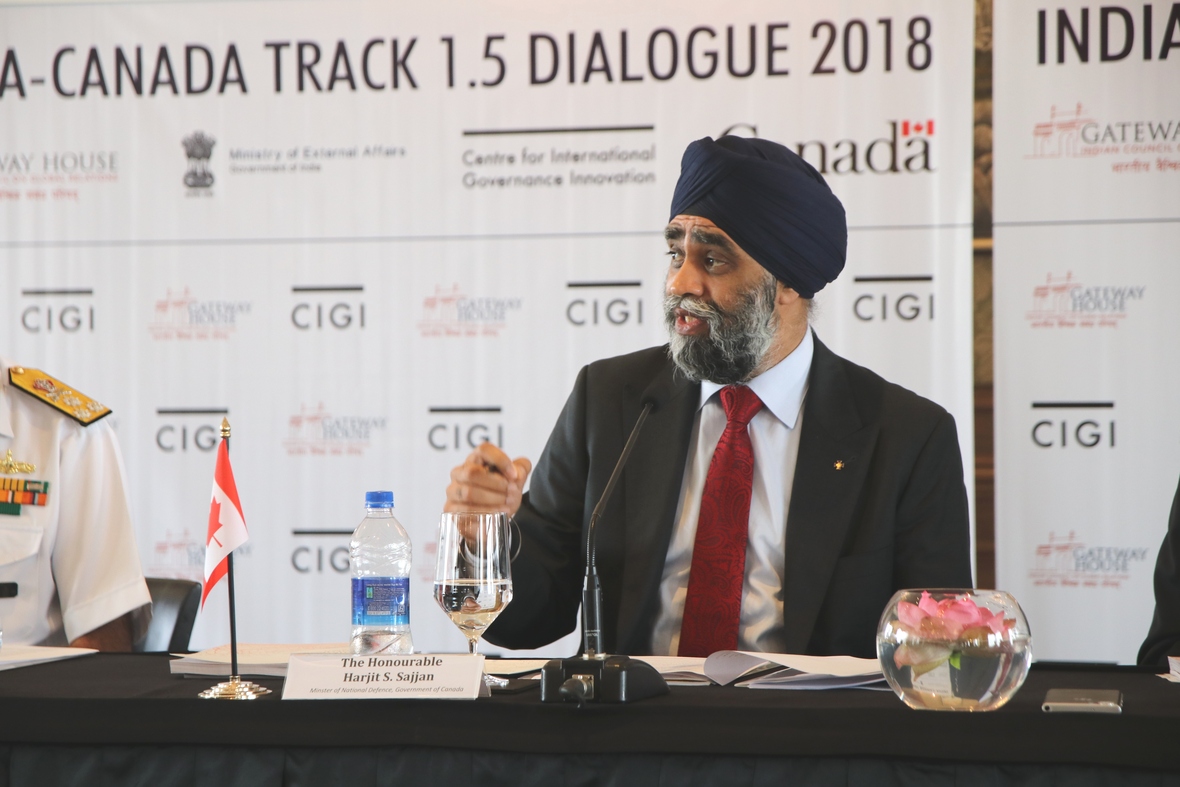
Canadian Minister for National Defence, Hon'ble Harjit S Sajjan, discusses contemporary security issues, international peacekeeping, bilateral defence ties, and geopolitical arenas, relevant to India, Canada, and the world. More specifically, he converses about prospects of peace in Afghanistan, the geopolitics of and Canadian sovereignty over the Arctic, UN peacekeeping programs initiated by Canada, focus areas for India and Canada defence relations, and the Quad initiative.
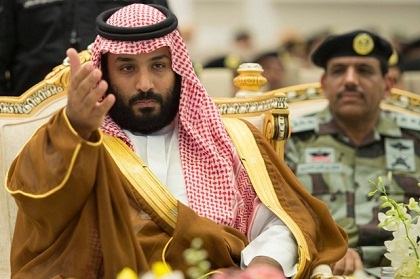
The removal of 11 top ministers in the Riyadh government last week by the young crown prince Mohammad bin Salman, is a geopolitical upheaval, the implications are serious. Domestically, the kingdom is seeking to liberalise its conservative society and move away from oil-dependency – evident from the expected listing of its crown jewel Aramco. For India, which imports oil largely from West Asia, instability could cause a spike in prices, leaving less for its ambitious reforms. Globally, there is now space for new alignments – in the Great Power plays, in the Shia-Sunni rivalry, and in the war on terrorism.
Professor Madhav Das Nalapat sits down with Manjeet Kripalani to discuss the ascendance of Xi Jinping into the pages of the Chinese Constitution and what this new status quo means for India and it's strategic interests.
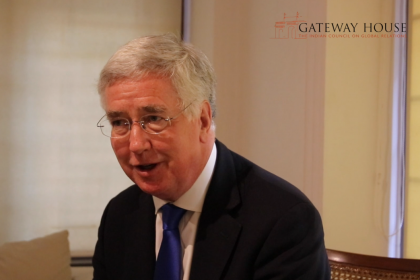
Gateway House, in collaboration with the British Deputy High Commission, hosted a roundtable discussion with Sir Michael Fallon, Secretary of State for Defence, United Kingdom. After the discussion, Gateway House interviewed the Minister about the potential for India-UK defence cooperation in dealing with traditional and cyber threats, and hybrid warfare.
In his interview, Rear Admiral (Retd.) Ophir Shoham discusses Israel’s liberal cybersecurity policies and the high levels of export in the cybersecurity sector. According to him, transfer of technology is imperative for Digital India, as for a country to become digital, Infrastructure is most important which is protected by cybersecurity. In the defence space, he mentions the close relationship India and Israel share despite it being a sensitive area. He prescribes a collaboration between the two countries to build weapon systems that they can use to customize defense equipment for the Indian defense system and the Israeli defense system.
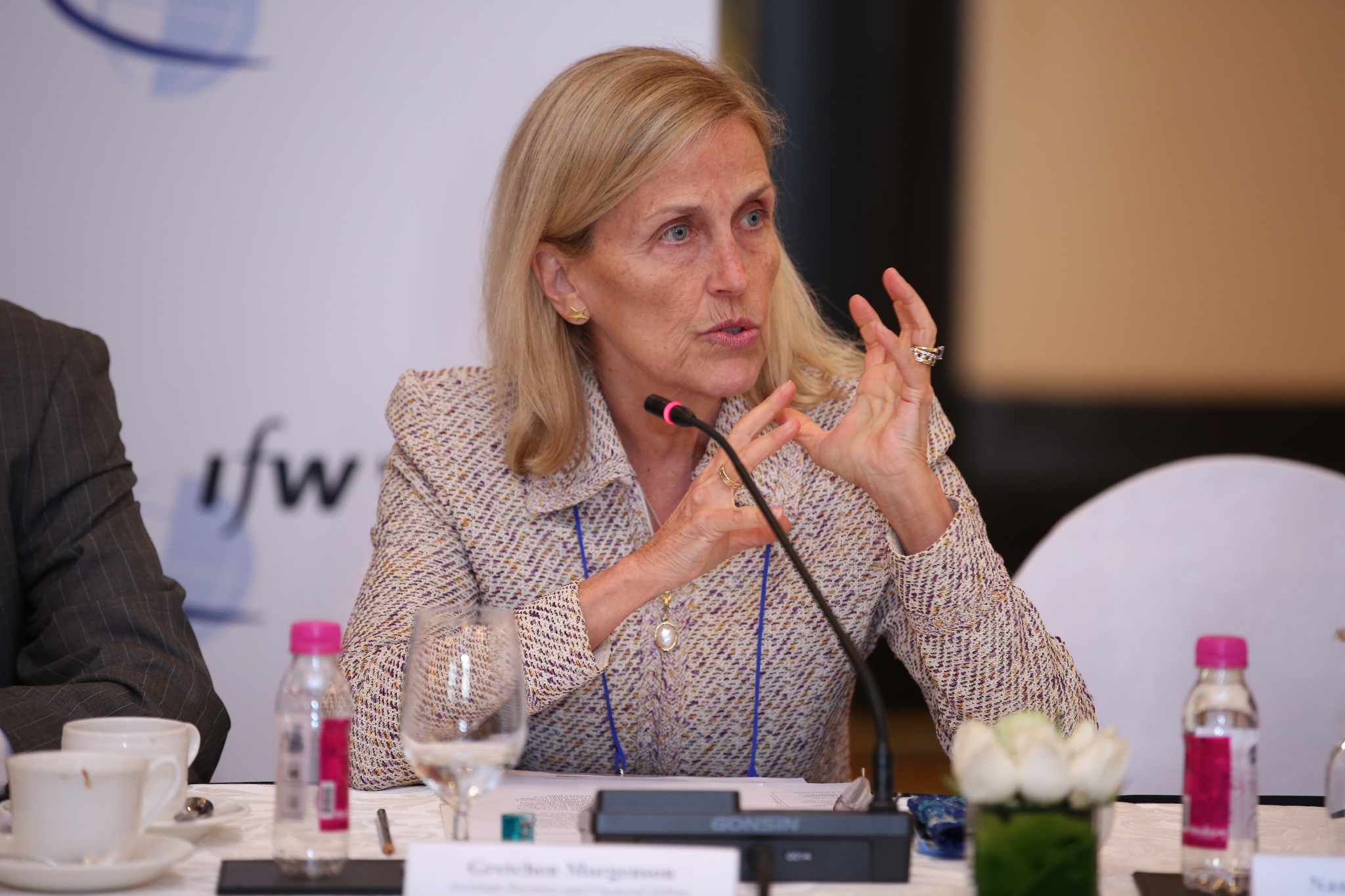
In Gretchen Morgenson's interview she discusses the implications on the American stock market of the repeal of the Dodd-Frank financial regulations and the possibility of a reduction in corporate taxes. She argues that although Trump has proposed several changes to financial regulations and the American tax regime, he may be unable to implement these measures. She then illustrates the impact of the lack of accountability of the government on the psyche of the American consumer, which would, by default, affect the economy. She emphasizes on the impact, that Trump being a real estate business man, will have on his negotiating methods, and in turn will have on investors.
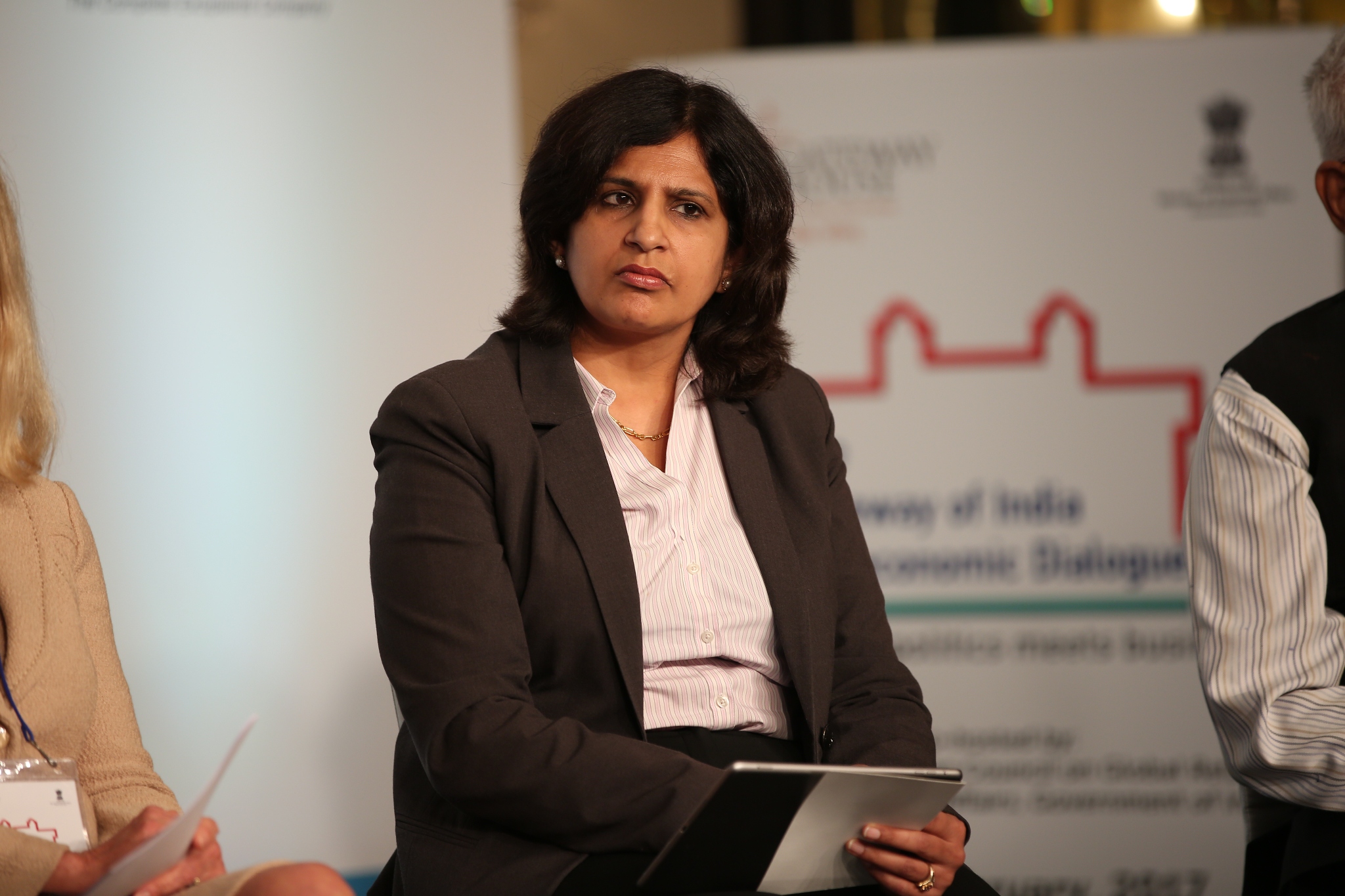
In Monica Bhatia's interview, she discusses the changes in the global financial sector in the wake of the Panama papers and the HSBC files, mainly the increase in transparency between banks and governments. She highlights her belief in the Automatic Global Tax Information Sharing Network in countering tax evasion and the success of the methods that governments have already undertaken to enable voluntary disclosures. Lastly, she illustrates the measures under the BEPS system on tax compliance.