


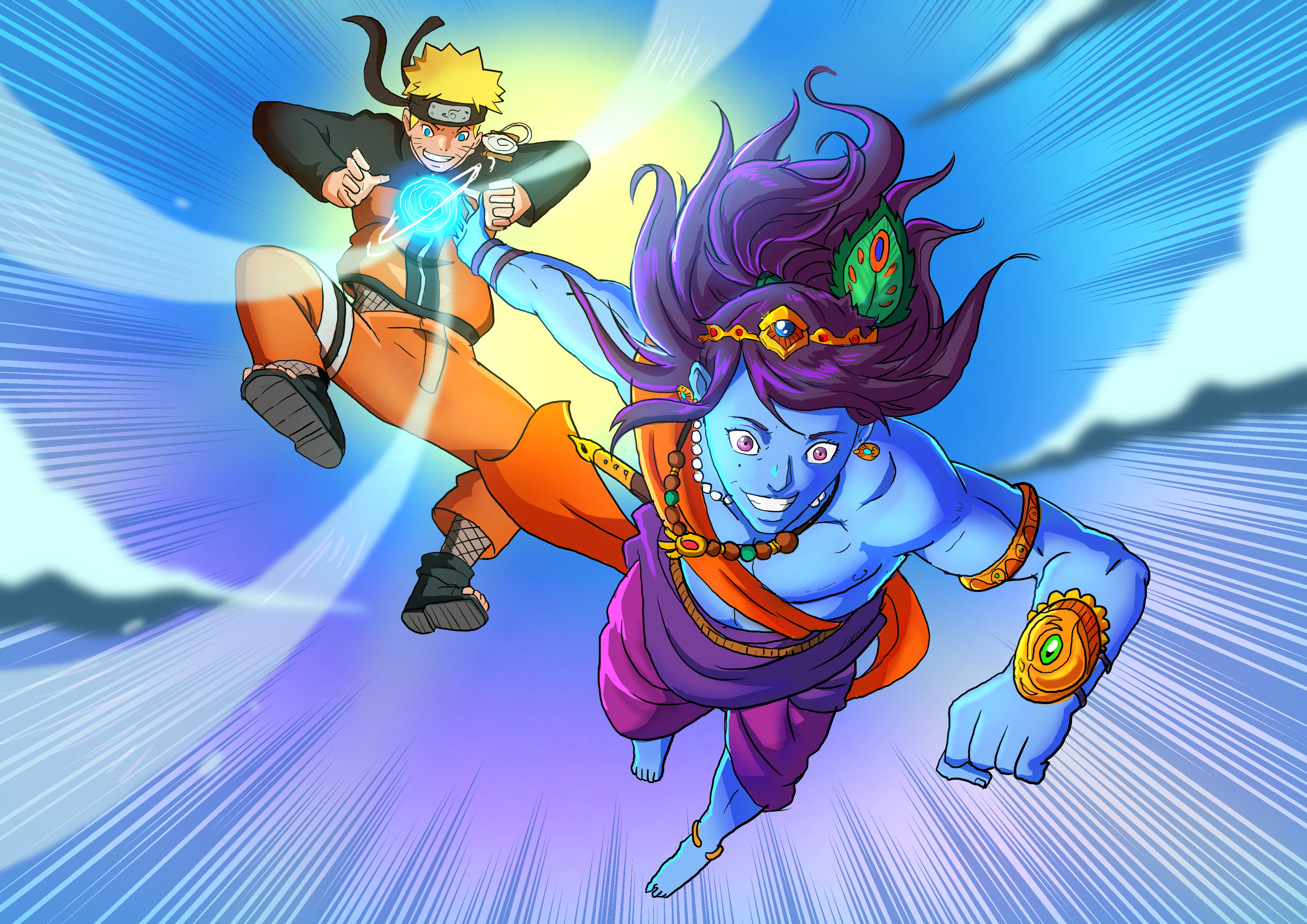
The popular Japanese art of manga has been in fierce competition with K-pop and Korean webtoons for the attention of India’s Gen Z. The Big Three of Japanese anime and manga franchises, Naruto, One Piece, and Bleach, have struck a chord with Indian audiences with their energetic and determined protagonists who struggle for acceptance and recognition. Their followers have grown, especially during the Covid-19 lockdown, to such levels that fans are now inspired to pursue Japanese-style manga and animation. Do they have a professional future in India?
Anime and manga are uniquely Japanese. Anime is an animated storytelling style that originated in Japan in the early 1950s. Characterised by its distinct visual expression, strong storytelling, and evocative artwork, anime has evolved into a worldwide phenomenon, trickling into entertainment, design, and global pop culture. Manga is the Japanese term for comic books and graphic novels. Traditionally published in black-and-white and read right to left, this storytelling medium combines detailed action, in-depth stories, and emotions.
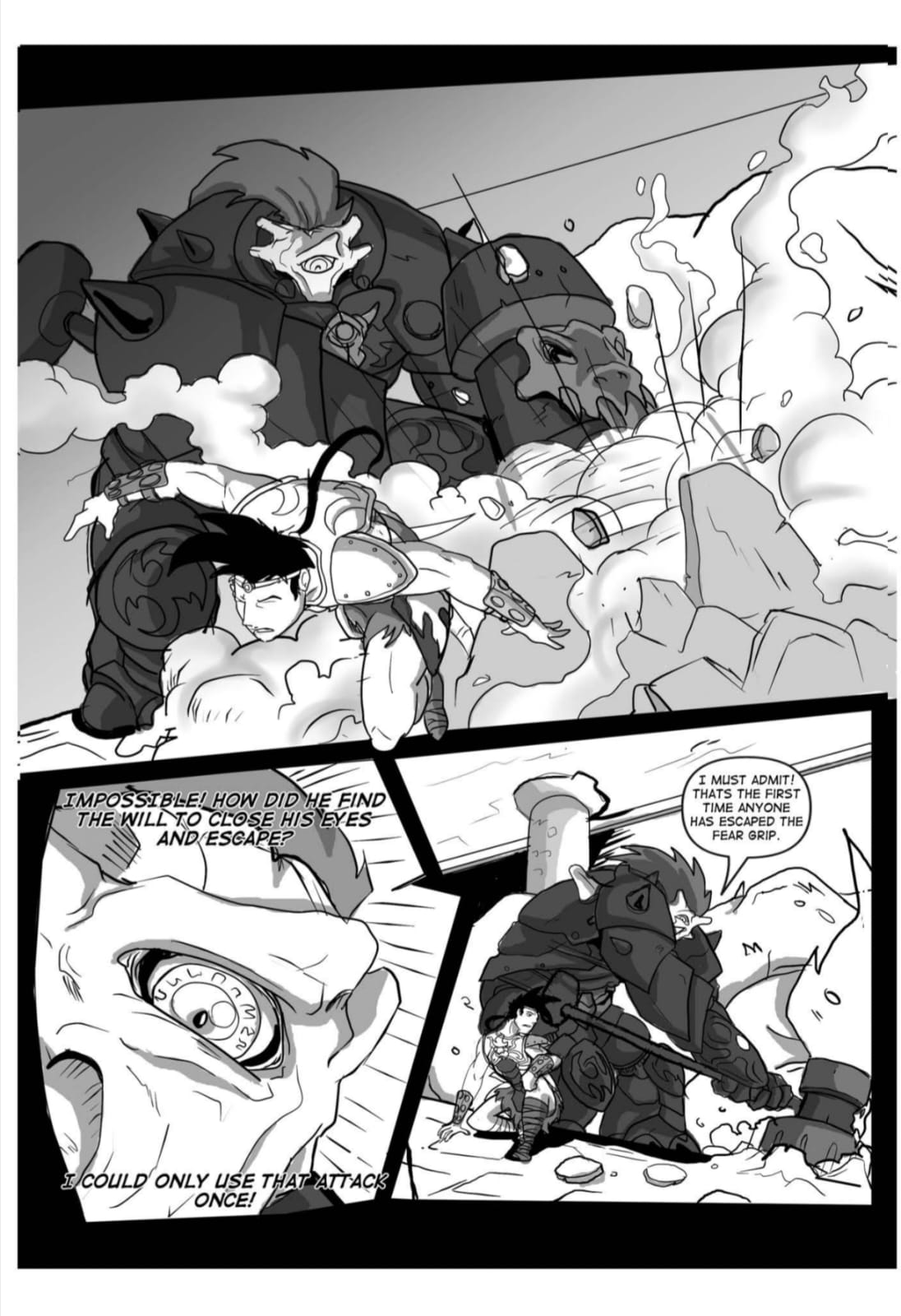
Image Credits: Jazyl Homavazir
This appeals to the average Indian, who is brought up in the storytelling tradition and mythology. The Japanese anime fed easily into this stream for readers, most of whom were fans of the Japan-U.S. collaborative phenomena, Teenage Mutant Ninja Turtles. It also gave birth to a minuscule subculture of anime artists in India, especially in Mumbai and Kolkata, as early as 2010. They were driven by passion but starved of mainstream infrastructure or commercial validation.
Fifteen years later, in 2026, a subculture of manga and anime fans has erupted into a massive commercial force. According to Delhi-based market researcher IMARC Group, the Indian market for anime products, valued at over $1.2 billion in 2025, is projected to touch $3.3 billion by 2034—an over 11% annual growth rate. India’s is no longer just an emerging demographic; with an estimated 118 million active viewers across platforms, India is now the second-largest anime viewership market globally, trailing only behind China.
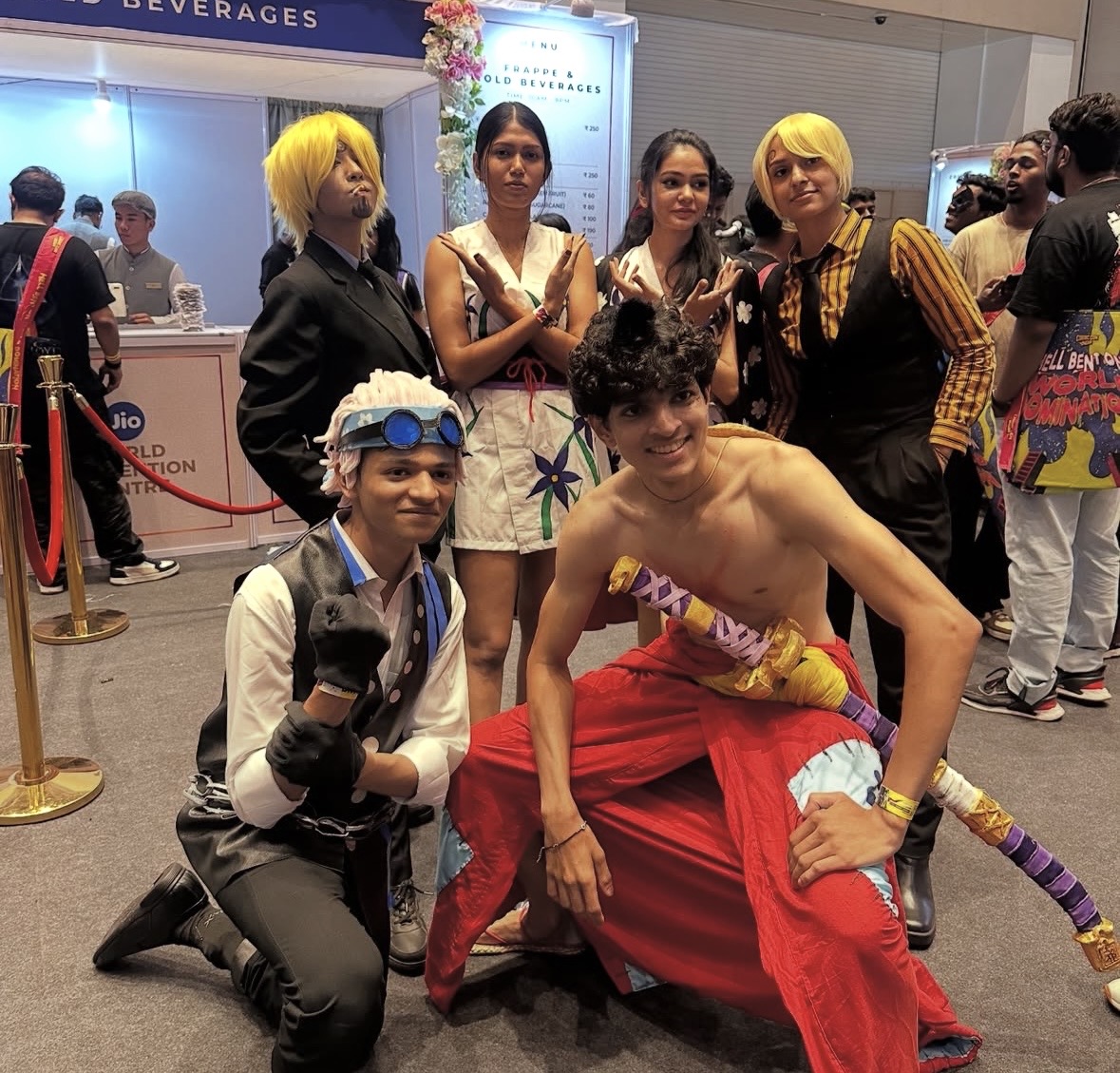
Image Credits: Instagram/@padmawitty
However, these staggering consumption metrics mask a critical deficiency in the domestic ecosystem. India remains strictly a consumer market and a service provider rather than an IP generator. Kodansha, a Japanese production house, produces manga in India with local translations at cheaper rates.[1] The core challenge today is not a lack of audience or artistic talent, but a systemic gap in original production frameworks. There is friction between grassroots creative potential and the commercial bottlenecks that stifle domestic storytellers.
If India is to transition from being merely a lucrative destination for foreign manga exports into a self-sustaining global production hub, it should address the institutional challenges in IP incubation, domestic publishing, and creator monetisation.
There are some positive indicators. The big boys of entertainment, Netflix and Sony, have entered the anime simulcast market, a global distribution and streaming market for anime content released simultaneously with its Japanese broadcast. It offers users instant access to anime episodes, significantly reducing anime piracy.[2]
Netflix is the leading streaming platform for anime in India, with an estimated 74% market share. Crunchyroll, a Sony Group’s streaming service specialising in Japanese anime, is expanding in India through premiere screenings, live events, and digital marketing initiatives to reach new audiences while increasing Hindi, Tamil and Telugu dubbed anime offerings – almost all being watched on smartphones. Another subsidiary, Sony YAY!, is tapping into anime licensing and merchandising (L&M) as a major revenue source. [3] Anime fan conventions, like the annual Anime India, are multiplying across tier-two and tier-three cities.[4]
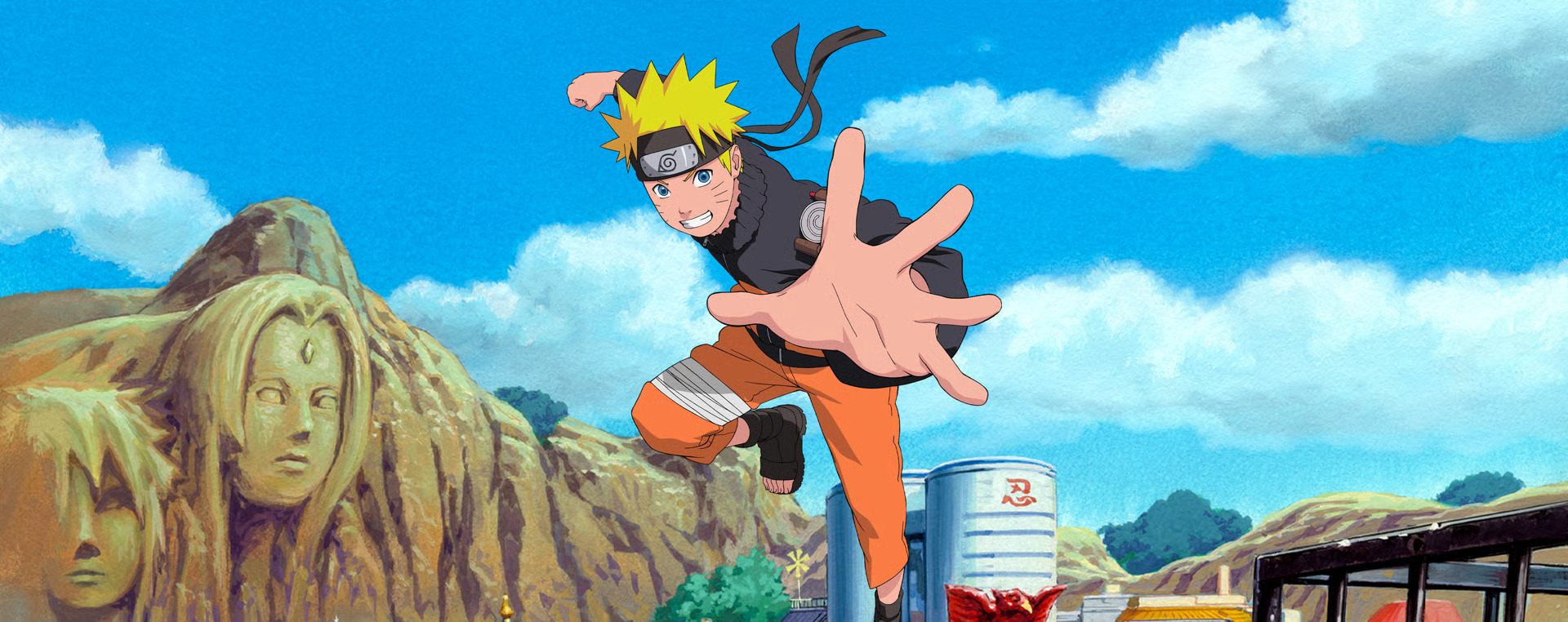
Image Credits: Crunchyroll
However, the anime structural ecosystem in India is absent, with minimal opportunities for local artists and creators to access, professionally grow and build sustainable careers in. This applies to comics too. Independent artists struggle to showcase their work at conventions and events and depend on online sales, all funded out of their own personal pockets.
A successful, established ecosystem such as Japan releases an anime once a manga reaches a significant milestone or if a studio is passionate enough to convert it into a series. In Japan, a manga comic is available at every convenience store, comic bookstore, and railway station, and that too at reasonable prices.
India does not have such a well-established distribution mechanism for comics and manga comics yet. And although there are many talented artists in India, there are no production houses actively investing in this space or nurturing the creators. This art is still not recognised as a viable mainstream career or source of income.
Niche Indian animators are approached by ad houses to create anime-style content—but with unrealistically low budgets and highly compressed timelines. Decision-making more often lies with those with little or no expertise or understanding of the art and process, resulting in excessive micromanagement and a loss of creative autonomy and freedom for the animation director.
A common mindset is that everything can be produced at the lowest possible cost. But it will not result in high-quality outcomes. Hideo Katsumata[5][6] of Avex Pictures, one of the largest anime production companies in Japan, says it takes anywhere between $445,000 to $630,000 to create one 24-minute anime episode after pooling in some of the best talents from across the world. He was referring to the anime series Yuri on Ice. Would Indian companies be willing to invest similar amounts?
Building the ecosystem also requires quality animation education and training, which leads to creative imagination and larger-than-life storytelling—the heart of an anime/manga story. India lacks this, resulting in Indian creators without adequate knowledge of the required budgets, timelines and expertise involved – and their turning to the easiest themes – of heroes harnessing godly powers and ancient Indian weapons.
This is slowly changing. At Mumbai’s major entertainment summit WAVES, the brilliance of local creators delving deep into local folklore, culture, and some one-shots was visible to all.
India has a large pool of talented artists and small upcoming studios doing creative anime, but they prefer to work in international markets rather than locally due to limited funding. New ventures like BhasaSetu, funded by the Indian government,[7] the Indian Comic Association, and Cosmics,[8] are encouraging young artists, with the latter offering them the opportunity to publish their works.
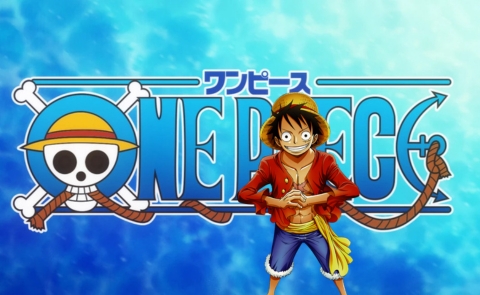
Image Credits: Gateway House
What can be done to establish a local anime ecosystem?
First, India must establish a centralised hub for production houses to collaborate with writers, creators, and animators.
Second, there should be anime-centric two-year degree programmes offering students direct mentorship by experienced manga and anime artists from India and Japan – with learnings on how anime can be delivered affordably. This can be enabled through an FTA-supported educational and cultural partnership and business framework to collaborate with Japanese manga and animation training institutes. The Australia India Sports Collaboration of July 2026 can be a model.[9] The National Institute of Design (NID), Indian Institute of Technology (IIT) and Satyajit Ray Film Institute can add anime production to their coursework.
Third, it is necessary to establish a structured comics distribution and printing system that enables local creators to translate, print, and distribute their manga comics in India and worldwide. It should allow for equitable profit-sharing while preserving full IP ownership for the creator. Such an initiative could pave the way for a robust ecosystem in the future.
Fourth, the large corporations like Netflix, which are benefiting from the Indian market, must back local anime content creation and leverage their international distribution networks to reach global audiences.
Fifth, states can introduce targeted grants, tax exemptions, and industry support programmes for small- and medium-scale studios (of under 30 to 40 people) involved in local and global work and government-backed initiatives to help showcase and pitch their original IPs to global platforms and investors. A model to follow could be the UK, which has a voluntary £1-per-ticket levy on large entertainment shows to recycle money from the top of the pyramid to the grassroots base—an elegant, industry-led mechanism. These will expand the medium with young artists keen to pursue careers in anime.
Most importantly, linking up India’s anime sector with Japan’s will update the cultural relationship and bring the peoples of the two Indo-Pacific nations closer together.
Jazyl Homavazir is a 2D animation professional and creator of The Beast Legion, India’s first manga.
This article was exclusively written for Gateway House: Indian Council on Global Relations. You can read more exclusive content here.
Support our work here.
For permission to republish, please contact outreach@gatewayhouse.in
© Copyright 2026 Gateway House: Indian Council on Global Relations. All rights reserved. Any unauthorised copying or reproduction is strictly prohibited.
References:
[1] Kamalikaa Biswas, “India Ranks Among Top Three Global Anime Viewership Markets,” Outlook Respawn, April 20, 2026, https://respawn.outlookindia.com/pop-culture/pop-culture-news/india-ranks-among-top-three-global-anime-viewership-markets.
[2] “Why Anime Simulcast Piracy Spikes Within Hours of a New Episode,” Remove Your Media, March 6, 2026, https://removeyourmedia.com/2026/03/06/why-anime-simulcast-piracy-spikes-within-hours-of-a-new-episode/.
[3] Shailja Tiwari, “‘Animation Is No Longer Just for Kids…': Sony YAY! Expands into Anime and Merchandising, Says Ambesh Tiwari,” Financial Express, [date], https://www.financialexpress.com/business/brandwagon-sony-yay-expands-anime-ambesh-tiwari-3770691/.
[4] At a recent screening of the Japanese series Naruto, Sony India CEO Ambesh Tiwari mentioned that locally dubbed anime content by Sony YAY! has increased anime consumption in tier two and three cities by almost 50% in 2025. Crunchyroll releases Hindi-dubbed episodes, offering voice artists a new career option, and releases more than 75 anime series each year.
[5] “Exclusive: Anime Times President Hideo Katsumata Talks About Expanding in Indian Market, Industry Issues & Future Collaborations,” Animehunch, October 2025, https://animehunch.com/exclusive-anime-times-president-hideo-katsumata-talks-about-expanding-in-indian-market-industry-issues-future-collaborations/.
[6] “Anime India, the Country’s Largest Japanese Anime Convention, Announced! Death Note Director Tetsuro Araki and Avex Pictures’ Hideo Katsumata to Grace Mumbai This August,” Anime News India, July 14, 2025, https://animenewsindia.com/2025/07/14/anime-india-the-countrys-largest-japanese-anime-convention-announced-death-note-director-tetsuro-araki-and-avex-pictures-hideo-katsumata-to-grace-mumbai-this-august/.
[7] “Start Up Accelerator WaveX Extends ‘Bhasha Setu’ Challenge Deadline to July 30, 2025, to Boost Participation and Seek AI-Based Multilingual Solutions,” Ministry of Information and Broadcasting, Press Information Bureau, July 22, 2025, https://www.pib.gov.in/PressReleasePage.aspx?PRID=2146973®=48&lang=2.
[8] “About Us,” Cosmics, accessed August 3, 2026, https://cosmics.co.in/about-us/.
[9] “India-Australia Roadmap for Sports Collaboration,” Prime Minister’s Office, Press Information Bureau, July 10, 2026, https://www.pib.gov.in/PressReleasePage.aspx?PRID=2283122®=48&lang=1.