Naya Kashmir, at first sight
On a week-long October visit to Jammu and Kashmir, the author found both clarity and complexity among the citizens about their new status, and that the practicalities of daily life are more compelling than ideology
Courtesy: Sameer Patil
On a week-long October visit to Jammu and Kashmir, the author found both clarity and complexity among the citizens about their new status, and that the practicalities of daily life are more compelling than ideology
Courtesy: Shutterstock
Digital black markets, which have always lurked in an opaque world, have now become hubs of illegal activity, selling prohibited goods with ingenious anonymity and resilience. India must sharpen its cybersecurity strategy for this new threat
Courtesy: Shutterstock
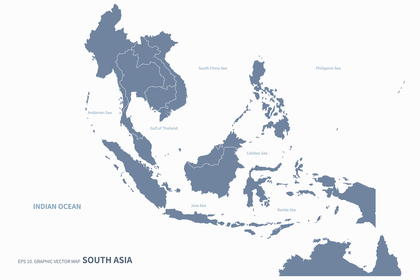
The foreign ministers of the Quad countries meet for the first time in New York today even as the Indo-Pacific has turned into a keenly contested geopolitical arena. Some countries are offering to play a mediatory role while other triangular equations are also undergoing change. An analysis of some of the relationships at work here
Courtesy: Shutterstock
The tool used to sustain and coordinate protests is a young, encrypted messaging service called Telegram. Its unique privacy and security features and resistance to the state has made Telegram more popular than its larger rivals, WhatsApp and WeChat. What is this communication phenomenon?
Courtesy: Shutterstock
The substantive efforts underway in the U.S. to designate India a Major Non-NATO ally reflect the deepening bilateral security and trade cooperation. It will enhance India’s military capabilities and strategic positioning with American allies in the region.
Courtesy: Shutterstock
The U.S.-China trade dispute and Australia’s concerns about China’s growing influence in its internal affairs and the neighbourhood present an opportunity for New Delhi and Canberra to step up their security engagement, bilaterally, and in the Indo-Pacific
Courtesy: PTI
The growing use of technology in the election process has made cyber security a crucial issue. Instances of the spread of fake news, manipulation of voter behaviour and hacking show how digital technology can be misused. These issues need to be addressed in the long term
Courtesy: Radio Farda
After the Pulwama attack of 14 February 2019, Pakistan has come under the international scanner for its support and financing of terrorist groups. At a meeting of the Financial Action Task Force (FATF) in Paris last week, it was pulled up for its inability to choke terrorist financing. This primer illustrates the role of the FATF in tackling terrorist financing and money-laundering, and studies its recent review of Pakistan
Courtesy: UNCTAD
The G20, which constitutes leading digital and industrial powers, has failed to pay enough attention to cyber security, particularly the security of critical financial infrastructure. In a rapidly digitising world, this is the right time for a G20 framework that will help ensure the cyber safety of banks, stock markets and payment systems.
Courtesy: Competitive India
Ten years after the 26/11 terror attack, India’s maritime security is much stronger, with better inter-agency coordination and improved security structure. The Indian Navy was made responsible for maritime security overall, but no fool-proof and unambiguous command and control structure exists as yet.