Ansari Rouhani 2013 MEA Flickr Courtesy: MEA Flickr
12 November 2015

Berthing a new era at Chabahar

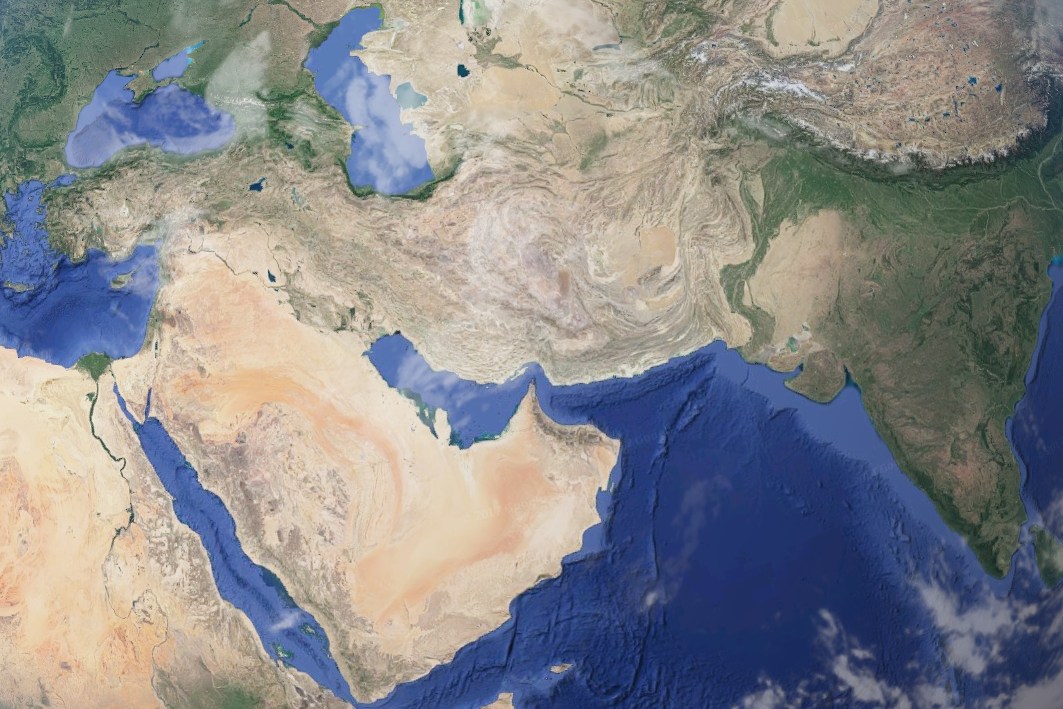
The strategic and geopolitical importance of Iran’s Chabahar Port is not lost on India. It is for this reason that India is keen to partner with Iran on investing in developing berths at the Port. Although the relationship between the two have had its ups and downs, it is time that with a nuclear deal in place between Iran and the P5+1, India realises that it has much more at stake in its relationship with Tehran.

U.S. Mission / Eric Bridiers Courtesy: Wikipedia
8 October 2015

UNSC and sanctions: a balanced role

The sanctions against Iran impacted the country’s oil, banking, aviation, and other sectors, and had a major humanitarian impact. But neither is armed attack a more suitable method in most instances to address allegedly recalcitrant states. What then is the middle ground? And can the UNSC assume a more proactive role in this context?

Iran Talks. Abschluss Iran Verhandlungen. UNO. Wien, 14.07.2015, Foto: Dragan Tatic Courtesy: Europe, Integration and Foreign Affairs/Wikipedia
14 August 2015

Iran after the deal

A month after Iran’s milestone nuclear deal with the P5+1 countries, the fine print is being scrutinised by hardliners in Iran and the deal will eventually be prepared for implementation by President Rouhani’s government. India, poised to revitalise bilateral trade, will be among many countries that can now benefit from robust business ties with the Persian Gulf country.

Zarif-Kerry Courtesy: Wikipedia
17 July 2015

Iran sanctions: journey’s end

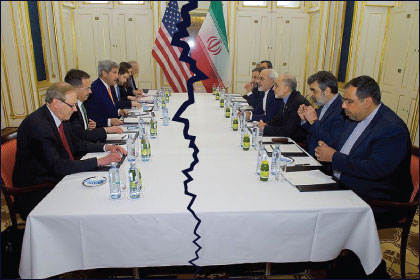
A journey which began in Istanbul in 2012 ended in triumph in Vienna in July 2014, as the P5+1 countries and Iran announced a Joint Plan of Comprehensive action that would see Iran free of all economic sanctions while upholding the right to a civil nuclear programme. While this journey, fraught with challenges, technically is over, the ratification battle in the U.S. congress commences now

Screen Shot 2015-07-14 at 6.27.12 pm Courtesy:
14 July 2015

What the Iran deal means for the region and India

After 12 years of negotiations on Iran's civilian nuclear program between Iran and the P5+1 countries, a Joint Comprehensive Plan of Action (JCPOA) was announced on July 14. Neelam Deo, Director, Gateway House, sits down with Dev Lewis, Gateway House, to discuss the agreement, how the sanctions will be lifted, and what a re-emerged Iran means for India and the middle-east

Israel-Saudi Courtesy: Wikipedia
13 July 2015

Reassessing our Israel, Arab engagement

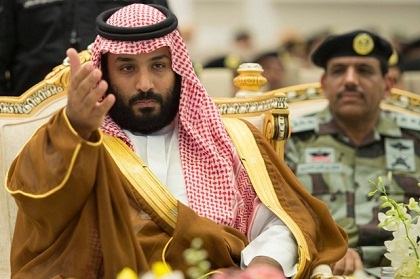
The announcement in June of a Saudi-Israeli alliance against Iran has to be seen in the context of the strategic dimensions of India’s relations with Saudi Arabia, Israel, Iran, and the U.S. And it has far-reaching implications for India’s policy towards West Asia

US Senate 2 Courtesy: U.S. Senate/Wikimedia Commons
24 June 2015

Critics of Iran nuclear deal press on

Hardliners in the U.S. argue that the Obama administration’s eagerness to declare success has given Iran an advantage in the negotiations on its nuclear programme. Even if the agreement between the U.S., its partners, and Iran is finalised in the coming days, Obama has the tough task of convincing the U.S. Congress to lift sanctions

anti-US-protests-in-Tehran-1 (Marzieh Soleimani) Courtesy: Marzieh Soleimani, Islamic Republic News Agency
17 June 2015

Iran deal: hardliners in Tehran

Iran's nuclear deal deadline is looming large, and sparks are already flying. While there is opposition to the deal from Israel, within Iran there are powerful interest groups driven by ideology and business interests, who are doing as much as possible to prevent a deal from being reached