A futuristic agenda for India & Canada
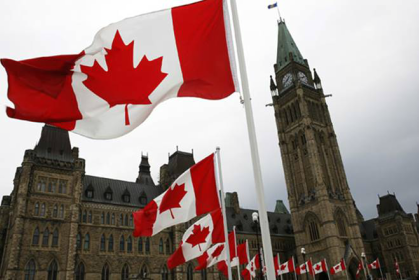
India can draw Canada in a new direction – away from its trans-Atlantic fixation, into the Indo-Pacific and a tech and resources partnership that will benefit both democracies

 Courtesy: Financial Express
India can draw Canada in a new direction – away from its trans-Atlantic fixation, into the Indo-Pacific and a tech and resources partnership that will benefit both democracies
 Courtesy: Global Environment Facility
Since Independence, India has been consumed by its domestic priorities. Now, with increasing integration with the world and a huge stake in global stability, it is time to focus on the global commons. India has a seat on the hightable to design and shape the rules for the governance of the global commons. In this special Independence Day Briefing, Gateway House examines India’s engagement with four global commons – technology, outer space, cyber and the oceans – and makes recommendations on how best they can be governed for our collective future.
 Courtesy: Gateway House
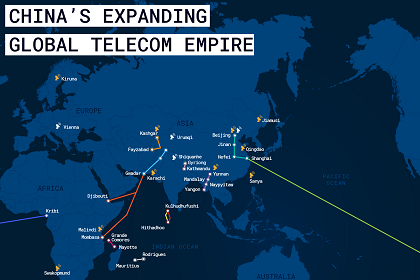
This version of the Gateway House Map on China’s Expanding Global Telecom Empire identifies some more telecommunication assets -- optic-fibre and satellite ground stations -- that Beijing is working on in South and Central America, Africa, Myanmar, the Indian Ocean Region and mainland China besides the existing ones, such as the Pakistan East Africa Cable Express (PEACE). It shows the direction China’s investment is taking, its diplomatic overtures and the larger geopolitical implications of its growing telecom empire
 Courtesy:
The following presentation was given by Ambassador Rajiv Bhatia at an event hosted by Southeast Asia Research Group on 9 January, 2018. Indo-Pacific Architecture – Latest Trends Much pleased with the shift from Asia-Pacific to Indo-Pacific as the focus on India Read more
 Courtesy: Indian Navy
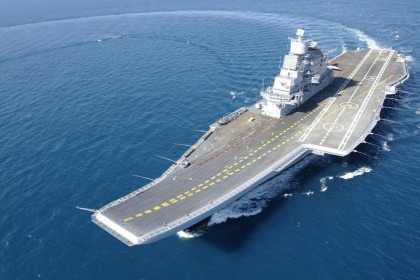
A noticeable feature of 2017 was China’s aggressiveness, which it deployed openly to advance its interests in the eastern rim, Southeast Asia, Central Asia and South Asia. This could well be the impetus for the consolidation of a broad front of China-wary nations in 2018
 Courtesy: MEA/ Twitter
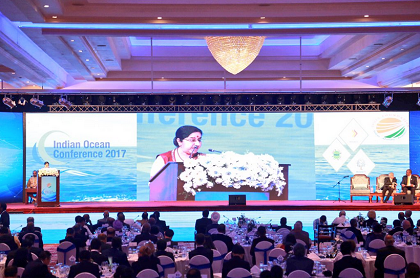
India must deepen its involvement with countries of the Indian Ocean Region on issues of security, commerce, and connectivity: this was the upshot of the second Indian Ocean Conference, held by the India Foundation in Colombo two weeks ago
 Courtesy: Wikimapia
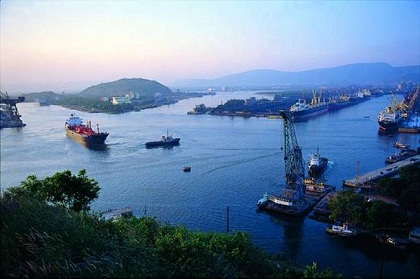
The new global emphasis on the Blue Economy is attracting the interest of governments, development agencies, and more recently, social impact investors. A marked change from previous years is the increased participation of developing and coastal economies, which are its very beneficiaries
 Courtesy: PTI
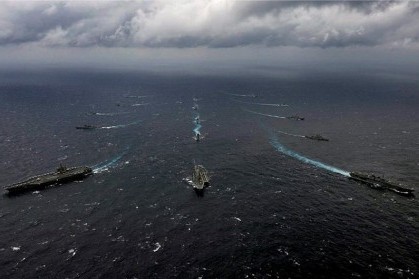
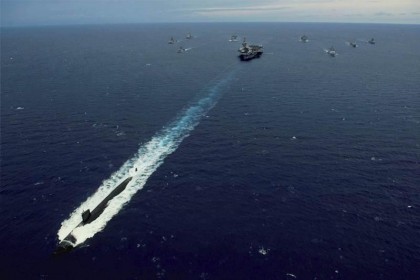
The historical evolution of the Malabar Exercise and the currently fraught relations between the participating countries and China created a much sharper context for the event, with the Chinese evincing a heightened interest in it
 Courtesy: PTI
In a special podcast, Vice Admiral (retd.) Anil Chopra, Distinguished Fellow for International Security and Maritime Studies at Gateway House, shares his insights into this years recently concluded Malabar Exercise, examining the inclusion of Japan and potentially Australia, while detailing the geopolitical implications of these exercises.
 Courtesy: Gateway House
This speech was delivered by Rajiv Bhatia, Distinguished Fellow, Foreign Policy Studies, Gateway House and Chair, FICCI Task Force on Blue Economy, at the Indian Ocean Rim Association Senior Officials Meeting in Jakarta