India-Latin America Engagements, January 2014
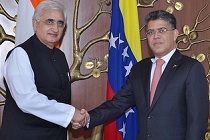
In 'India-Latin America Engagements', the Latin America Desk at Gateway House presents a selection of news of India’s engagement with the region during the previous month

 Courtesy: Ministry of External Affairs, India
In 'India-Latin America Engagements', the Latin America Desk at Gateway House presents a selection of news of India’s engagement with the region during the previous month
 Courtesy: Ministry of External Affairs, India
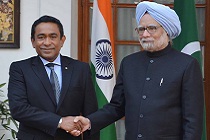
Maldivian President Abdulla Yameen’s visit to India this week aims to repair ties, strained after the Maldives terminated a $500 million contract to the Bangalore-based infrastructure company, GMR. Yameen’s conciliatory stand stems from the need for international help, including India’s, to fix an economy in decline
 Courtesy: Mostaque Chowdhury/Flickr
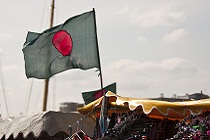
Come January, Bangladesh will elect its next prime minister. Although it has emerged as a significant player in the region, India and the U.S. are yet to develop a synergy in their policies towards this important nation – even as the deeper struggle for influence and resources in Asia continues
 Courtesy: WikimediaCommons
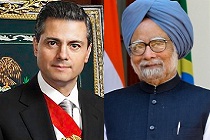
Mexico is now being increasingly referred to as the ‘China of the Americas.’ With the Mexican government introducing reforms in several sectors, and thereby easing the scope of business, how can India –which is slowly expanding its footprint in Latin America – benefit from Mexico’s rise?
 Courtesy: WikimediaCommons
The ongoing political crisis in the Maldives has deteriorated after a run-off election on November 10 was delayed. Now, the next election is scheduled to be held on November 16. However, despite four scheduled elections in the last two months, chances are slim that stability will return soon to the Maldives
 Courtesy: www.GlynLowe.com/Flickr
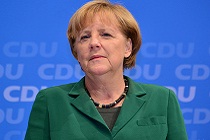
It may take Chancellor Angela Merkel weeks to negotiate a new coalition, but the vote for stability means that change will only be at the margins of current domestic and foreign policy. Still, the fallout of the election in the EU and beyond, including in India, should not be underestimated
 Courtesy: Freedom House/Flickr
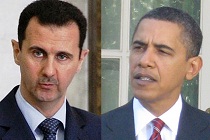
Despite rising international opposition, U.S. President Barack Obama is ready to penalise the Syrian regime for an alleged chemical attack in Ghouta, Syria, last month. The justifications given by the U.S. for an armed attack are questionable, and such retaliatory action will destabilise the entire region
 Courtesy: Ansarymehr/Wikimedia Commons
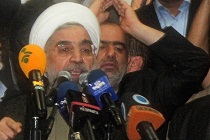
Hassan Rohani’s victory in the June 14 presidential election in Iran might allow more moderate voices in the political dialogue. But Iran's establishment decides positions on all major issues, including the nuclear programme, Syria, and dealings with the West. To what extent can Rohani change course?
 Courtesy: DVDSHUB/Flickr
India and China have divergent approaches to terrorism emanating from Pakistan. How can New Delhi prod Beijing to act on its concerns about the terrorist infrastructure in Pakistan?
 Courtesy: rwoan/Flickr
Pakistan’s national elections will take place in the backdrop of a troubled economy, severe energy crisis, and frequent terrorist attacks. Can these problems be solved if the next leadership agrees to open its territories for trade and transit purposes between India and Afghanistan?