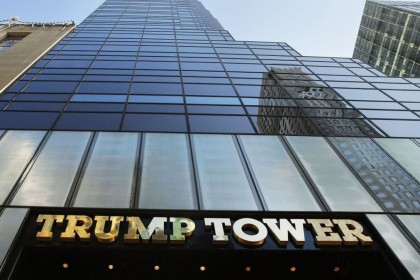
Economic expectations from Trump
The incoming Trump administration is inheriting an economy that is on a strong recovery path. What are the challenges in sustaining this and what is emerging as the new administration’s growth agenda?

 Courtesy: Wikimedia Commons
The incoming Trump administration is inheriting an economy that is on a strong recovery path. What are the challenges in sustaining this and what is emerging as the new administration’s growth agenda?
 Courtesy: Armstrong Economics
The global monetary and financial system is lopsided and designed to favour rich countries; an alternative economic and political doctrine, which takes into account the needs of emerging economies like India, must now be articulated to end this one-sided architecture
 Courtesy: Eminence Designs Pvt Ltd.
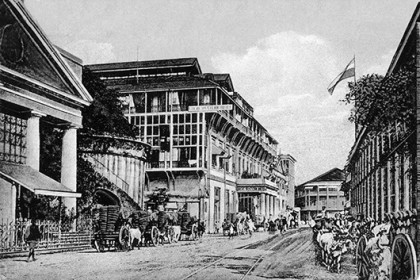
The trade between Bombay and America’s north eastern ports 200 years ago was unique as it coexisted with the period’s territorial colonial monopolies. This article retraces those routes to riches in light of the Indo-U.S. Strategic Partnership.
 Courtesy: Gateway House
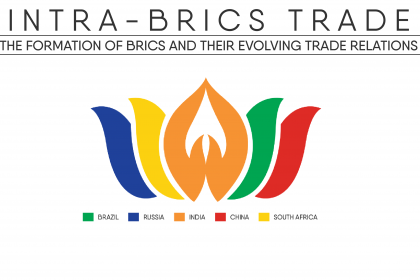
This infographic seeks to trace the evolution of BRICS from O’Neill’s original vision to its current form, while illustrating how intra-BRICS trade has evolved over the past 15 years.
 Courtesy: Quartz
Regulations are the new focus of economic statecraft. Their increasing importance is reflected in the negotiations on global financial standards, plurilateral trading rules, and regional economic unions.
 Courtesy: Manjeet Kripalani
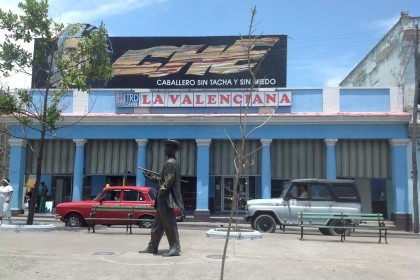
The crippling effect of American sanctions are thorough; designed to strangle economies and bring entire nations to a halt. However, they unknowingly pull people together, imparting a deep sense of patriotism and often sparking innovation which can quickly surpass any other world power. With sanctions being lifted on nations like Myanmar, Iran and, hopefully, Cuba, the question remains whether they will retain their uniqueness or fall into line with the rest?
 Courtesy: MEA / Flickr
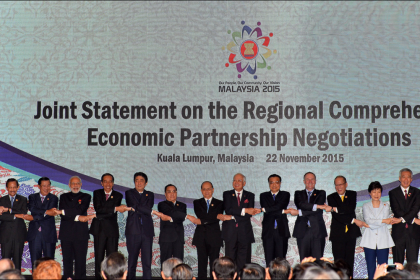
Five rather unfavourable trends define India’s trade performance over the past two years; these trends also provide useful pointers as to where India’s future trade strategy can go over the next three years as it deals with a global economic slowdown, the rise of megatrade agreements and a pivot to a more intensive trade relation with the U.S.
 Courtesy: Wikipedia
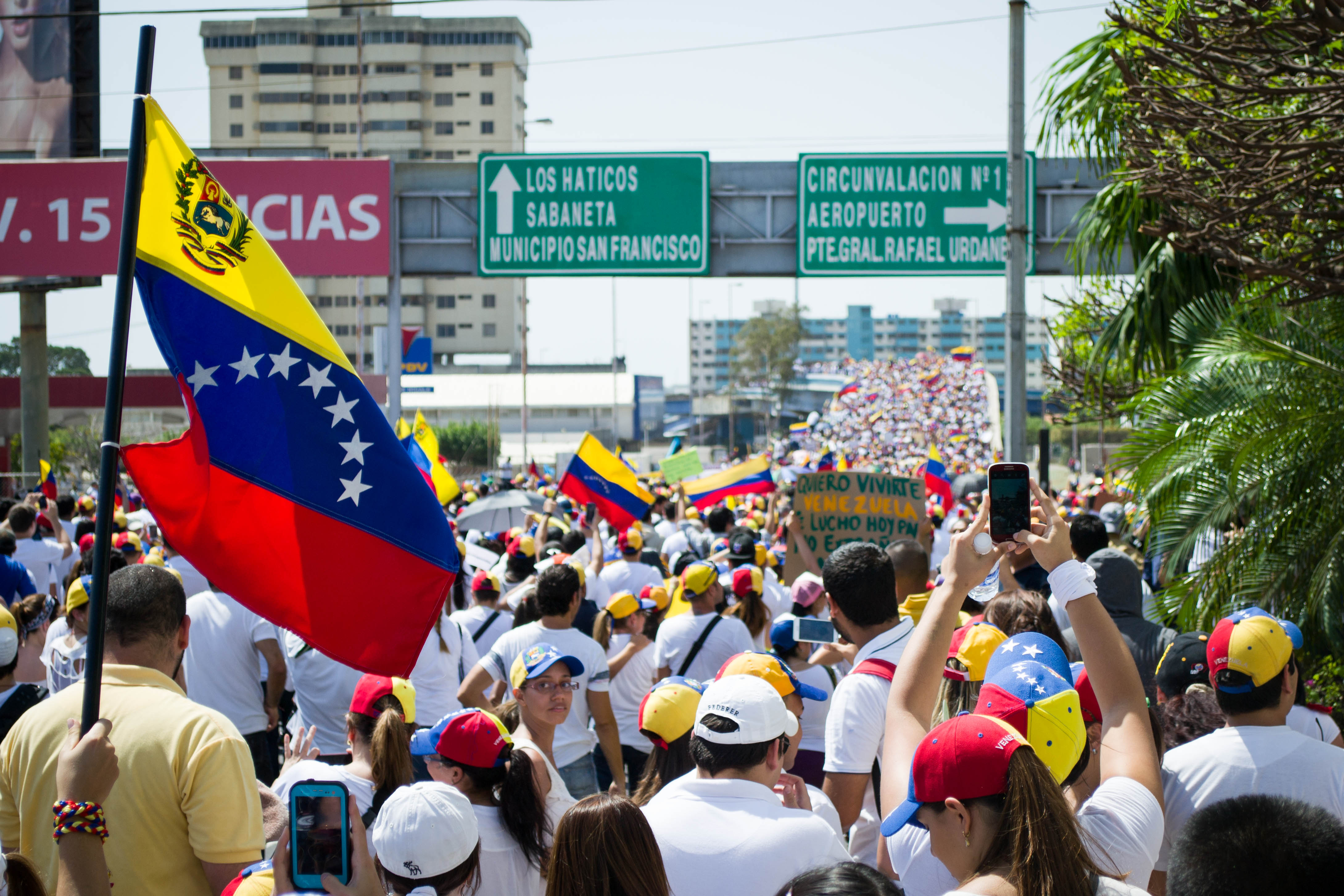
Despite major political change in Brazil, Argentina, and Venezuela due to global economic tumult, it may be premature to speak of a rightward shift in Latin American politics. Yet, developments in these democracies need to be monitored carefully as India has a stake in their political stability.
 Courtesy: ustr.gov
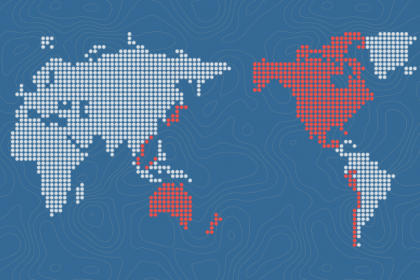
The U.S.-driven Trans Pacific Partnership agreement between 12 countries, which is aiming to become the new standard of world trade, impacts domestic systems globally. For India, it will skew investment and intellectual property rights, and especially the debate over the Investor State Dispute System which allows companies to challenge sovereign rights and public policy.
 Courtesy: Presidencia Ecuador / Flickr
The Ecuadorian president’s first-ever state visit to India this month was cancelled, possibly because four of seven helicopters supplied by HAL to Ecuador have crashed. But this hurdle can be overcome, and ties between the two countries can expand beyond defence and oil to sectors such as pharma, IT, and agribusiness.