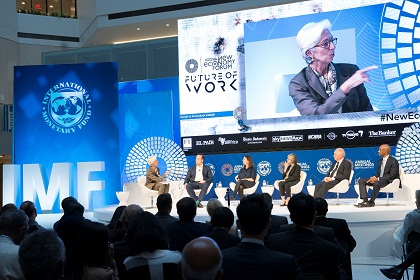
International Monetary Fund Manging Director Christine Lagarde (L), Jeremy Johnson(2ndL), Sara Horowitz;(3rd L), Deborah Greenfield (3rd R), Jim Clifton (2nd R) and James Manyika (R) participate in a Seminar "The New Economy Forum:Future of Work" at the IMF Headquarters during the IMF/World Bank Annual Meetings October 11, 2017. IMF Staff Photo/Stephen Jaffe Courtesy: IMF/ Flickr
12 October 2017

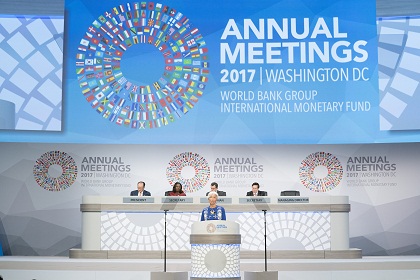
IMF, WB Annual Meetings 2017: growth outlook

The IMF/World Bank Annual Meetings, being held on October 12-15 will take place amidst news that the growth momentum of the global economy is being sustained, and the outlook looks better than it did during the Spring Meetings. How can a global consensus be developed to better address the growth fundamentals now that the global economy is strengthening?

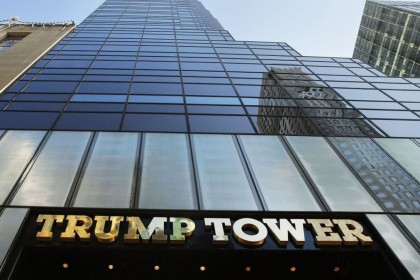
bank-getty-images-harold-cunningham Courtesy: Quartz
27 July 2016

Imperatives of regulatory diplomacy

Regulations are the new focus of economic statecraft. Their increasing importance is reflected in the negotiations on global financial standards, plurilateral trading rules, and regional economic unions.

IMG_2283 Courtesy: Manjeet Kripalani
2 June 2016

The sanctioned, sleeping beauties awake

The crippling effect of American sanctions are thorough; designed to strangle economies and bring entire nations to a halt. However, they unknowingly pull people together, imparting a deep sense of patriotism and often sparking innovation which can quickly surpass any other world power. With sanctions being lifted on nations like Myanmar, Iran and, hopefully, Cuba, the question remains whether they will retain their uniqueness or fall into line with the rest?

modi RCEP Courtesy: MEA / Flickr
26 May 2016

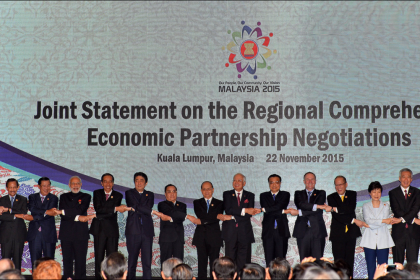
India’s five-cornered trade strategy

Five rather unfavourable trends define India’s trade performance over the past two years; these trends also provide useful pointers as to where India’s future trade strategy can go over the next three years as it deals with a global economic slowdown, the rise of megatrade agreements and a pivot to a more intensive trade relation with the U.S.

TPP Courtesy: ustr.gov
26 November 2015

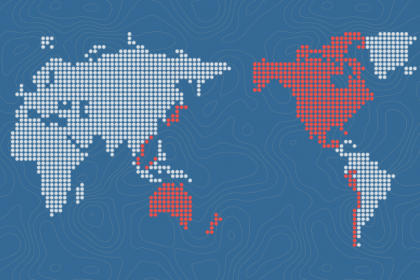
TPP & ISDS: new tests for India

The U.S.-driven Trans Pacific Partnership agreement between 12 countries, which is aiming to become the new standard of world trade, impacts domestic systems globally. For India, it will skew investment and intellectual property rights, and especially the debate over the Investor State Dispute System which allows companies to challenge sovereign rights and public policy.