Twitter_@DrSJaishankar Courtesy: Twitter/@DrSJaishankar
12 August 2026

India bids for UNSC

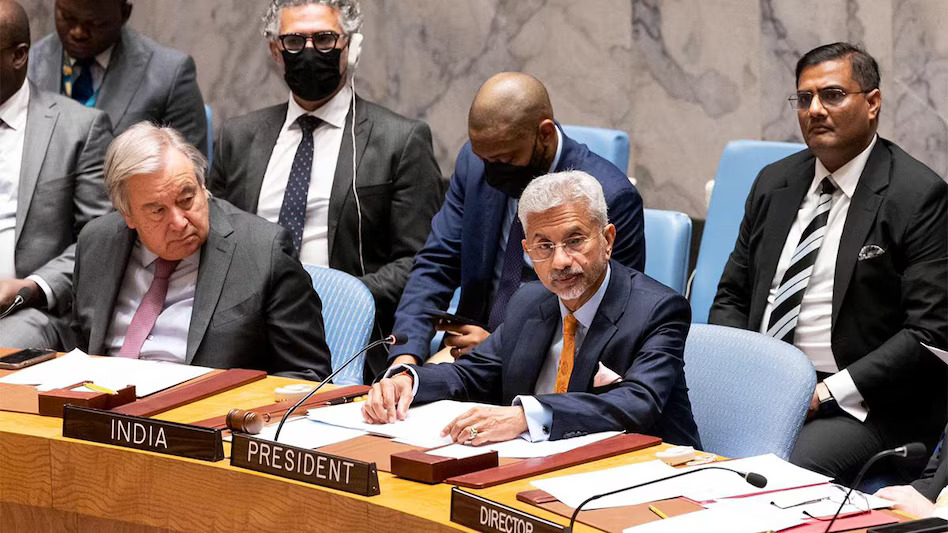
India has officially launched its campaign for a non-permanent seat on the UNSC for 2028-29. This will be India’s ninth time on the UNSC. The election is strict and process-driven. The campaign has been launched well in time to ensure election with the highest possible number of votes to signal global acceptance of India, now the world’s most populous country, as a permanent member of the UNSC.

rawlines Courtesy: Gateway House
6 August 2026

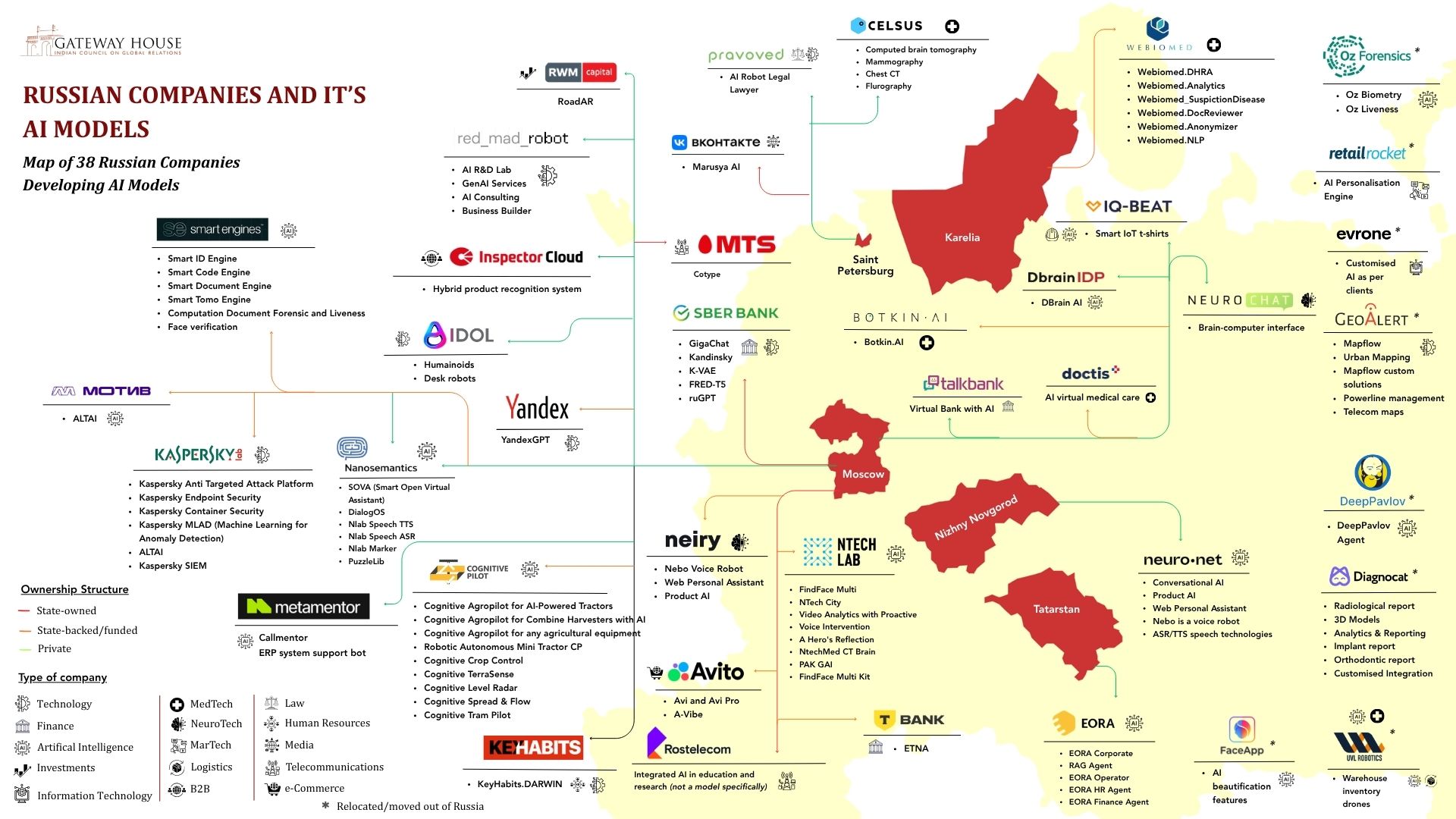
The Kremlin: AI ecosystem architect

At the St. Petersburg International Economic Forum in June, President Vladimir Putin reiterated that Russia is building a sovereign AI ecosystem. Despite Western sanctions and the brain drain following the Ukraine war, Moscow continues to support AI startups and SMEs through state-backed funding. There are 38 Russian AI companies, and it is worth analysing their backgrounds, classifications, and the links between them and the Russian state.

UNSC Elections Courtesy: Manuel Elías
6 August 2026

The UN changes guard

The process of choosing a new Secretary General of the UN, to assume office on January 1, 2027, has begun. The UN Security Council is central to this and has just held its first straw poll on the seven candidates in the fray. Three have done well – all from countries with positive ties to the current U.S. administration. India must keep a close eye on the developments.

ITU DDF Courtesy:
9 July 2024

Convening to advance digital tools for development

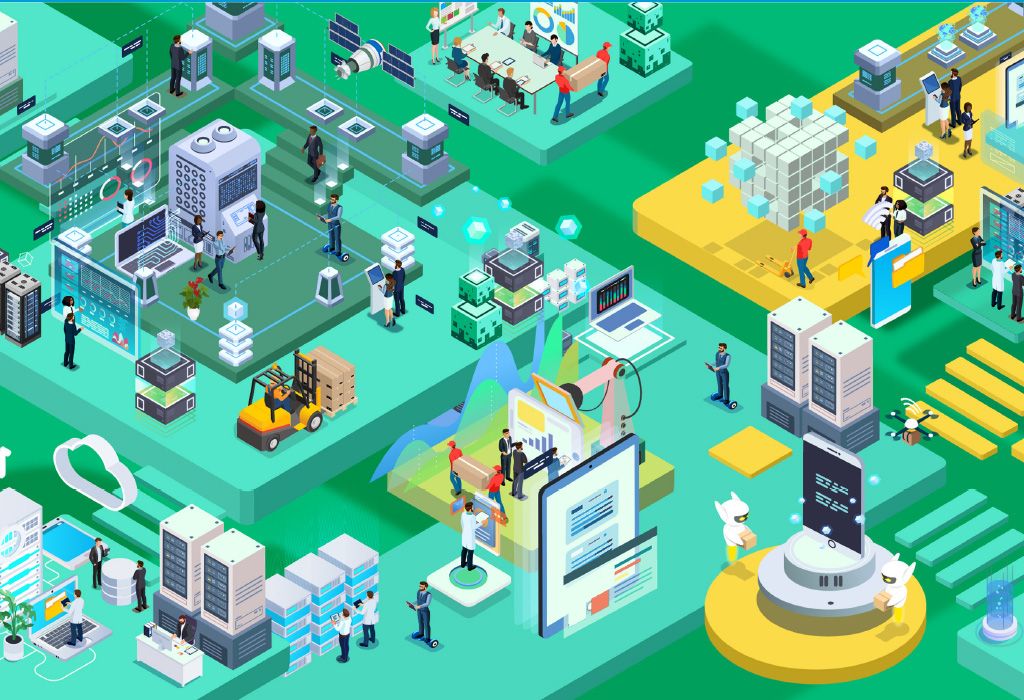
Digital ecosystems, their evolution and regulation was the focus of USAID’s annual conference on global digital development. For Global South actors, the conference offered suggestions on addressing climate impact, disinformation, and building resilient digital infrastructure.

global-commons-870_0 Courtesy: Global Environment Facility
15 August 2018

India in the Global Commons

Since Independence, India has been consumed by its domestic priorities. Now, with increasing integration with the world and a huge stake in global stability, it is time to focus on the global commons. India has a seat on the hightable to design and shape the rules for the governance of the global commons. In this special Independence Day Briefing, Gateway House examines India’s engagement with four global commons – technology, outer space, cyber and the oceans – and makes recommendations on how best they can be governed for our collective future.

Cyber-paper-cover-709x1024 Courtesy: Wikimedia Commons
15 August 2018

India’s lead on cyber space governance

Cyber space is a new global common that defies formal governance. Its interconnectedness makes it full of opportunity, yet vulnerable. Attempts to regulate it have seen setback due to the differing visions of major powers and developing countries. India, an emerging economy with a sophisticated technology industry, is well positioned to shape the governance of this global common

Fort Cochin, India Courtesy: Wikipedia
9 August 2018

How India can keep the oceans prosperous

The notion of the oceans and seas as a global common is under severe test. National and regional interests are winning over the urgency to maintain their well being while competition to exploit the many commercial opportunities they present is ever increasing. The task at hand is to stop ocean decline – and India can play a transformative role in this

SEI_Lunar_Base_Concept01 Courtesy: NASA/SAIC/Pat Rawlings
9 August 2018

Geopolitical territoriality on the moon

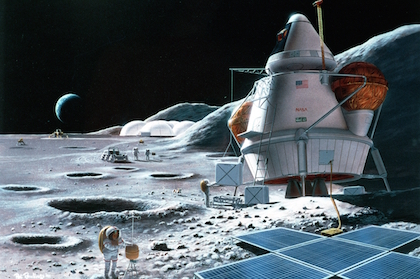
Ownership of lunar artifacts – objects left behind by space missions – will become a vexing issue as the international footprint on the Moon grows. Such archaeological objects may be designated ‘national heritage’, but the site on which they exist ought to remain ‘a global common’, and not become a point of territorial contestation. The Moon needs to be managed by global consensus, prudence and realism.

Big Data - 6 Courtesy: PC Magazine
2 August 2018

Governance in the age of AI

A massive technological revolution is in the offing in the next 20 years, with its maximum impact being on the future of work. Artificial Intelligence and robotics will change how the labour market operates and governments will have to review ethical standards for emerging technologies. India can show the way in creating inclusive economic growth