BRICS 2026 Summit Courtesy: Reuters / Yonhap News Agency
17 September 2026

BRICS after the New Delhi Summit

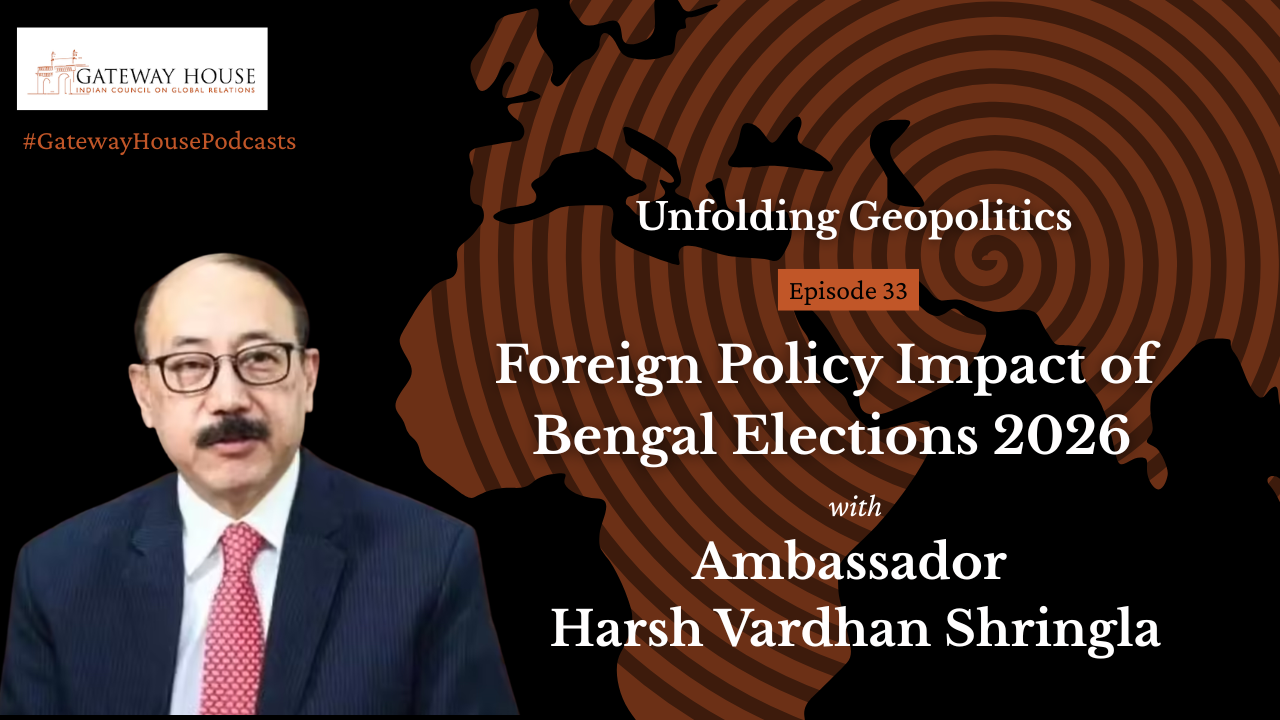
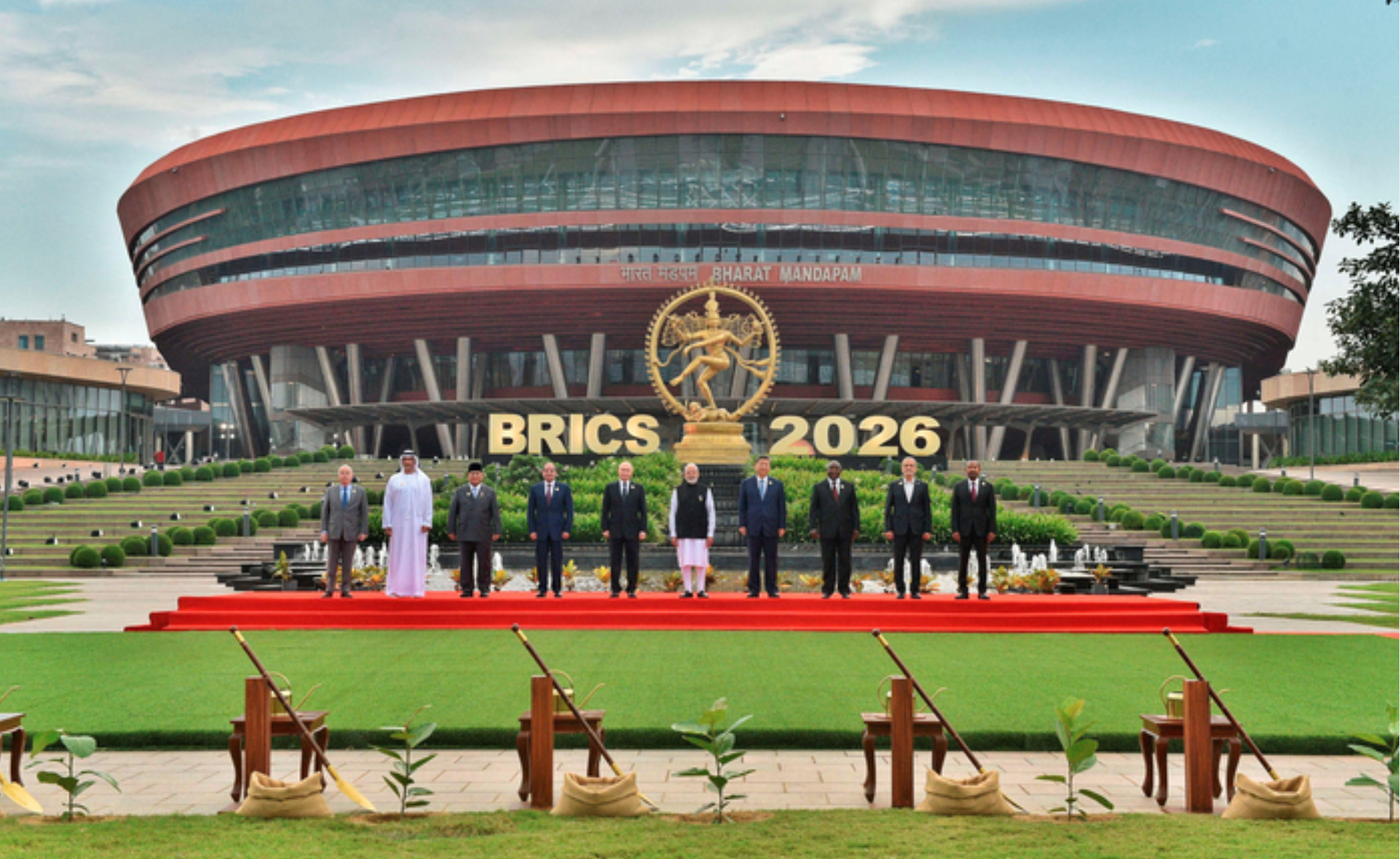
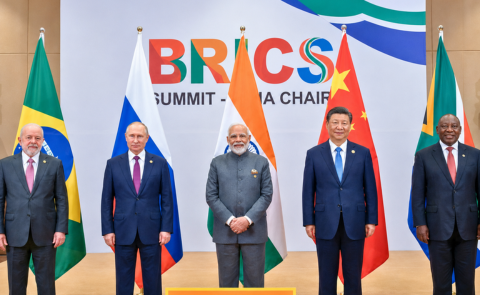
The recent BRICS Summit in New Delhi was declared a success. Its 140-paragraph New Delhi Declaration is the longest yet. With members divided over the Russia-Ukraine and West Asia wars, leaders avoided naming countries or taking positions, focusing on issues affecting the Global South and deepening intra-BRICS cooperation. India steered the grouping towards practical cooperation. The question now is: how will BRICS implement the decisions taken?
South China Morning Post Courtesy: South China Morning Post
17 September 2026

Modi-Xi: Balancing, Not Reset

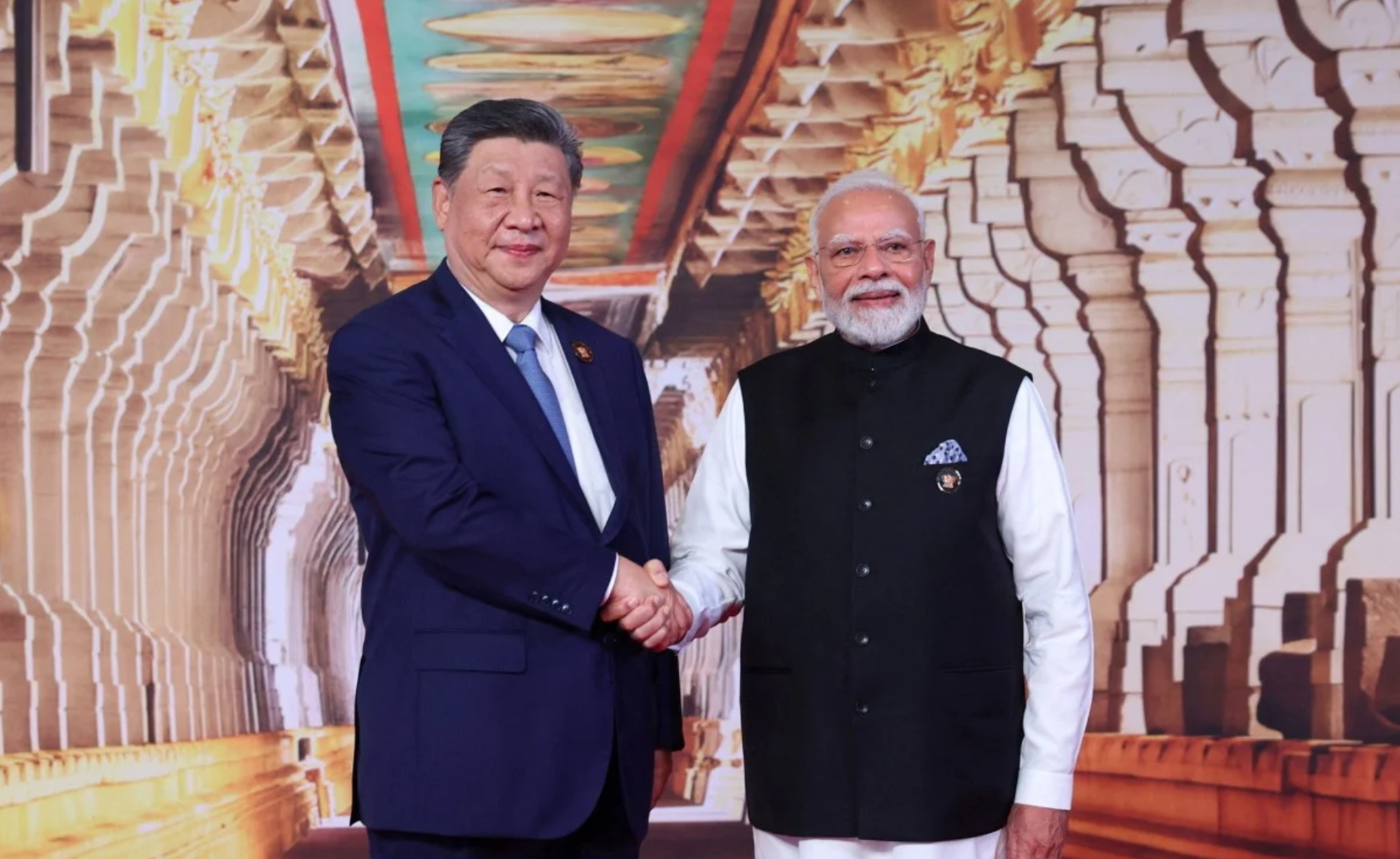
In less than 60 days, India and China held four major bilateral dialogues, all targeted at finding a solution to the boundary issue whilst maintaining peace on the border. In August, they held diplomatic level talks, followed by discussions between the Special Representatives, culminating in a first-of-its-kind Corps Commander-level flag meeting in early September. Finally came the bilateral meeting between PM Narendra Modi and Chinese President Xi Jinping.

Website articles  - 2026-09-04T112002.810 Courtesy: Facebook / The Bharat Post
3 September 2026

BRICS’ Delhi summit: an intense agenda

India will host the 18th BRICS Summit from September 12-13, 2026, amid adverse geopolitical circumstances. With Russia at war in Ukraine and Iran, the UAE and Saudi Arabia caught in the U.S.-Israel conflict, the BRICS grouping faces its biggest test yet. Yet its members remain committed to the “BRICS spirit” and promoting a fair international order. Can India use the summit to advance peace and development?

X / @MEAIndia Courtesy: X / @MEAIndia
31 August 2026

SCO summit in Bishkek

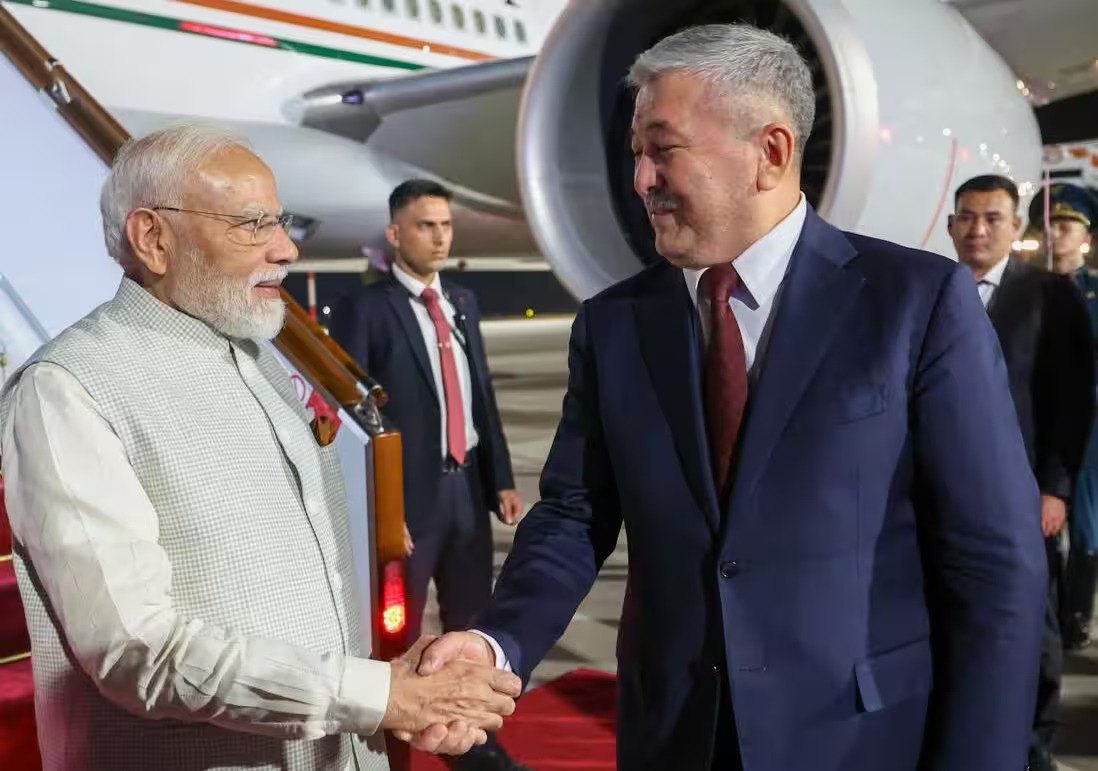
As 25 years of the Shanghai Cooperation Organization (SCO) culminate in Bishkek, India waits intently, assessing the SCO's development. With PM Modi representing India from August 31–September 1, 2026, having previously chaired the SCO Council of Heads of Government in 2020, the forthcoming summit should provide an opportunity for the Indian delegation to take stock of the current status of previous initiatives and their advancements.

India-Bangladesh Courtesy: PTI
20 August 2026

Pragmatising India-Bangladesh ties

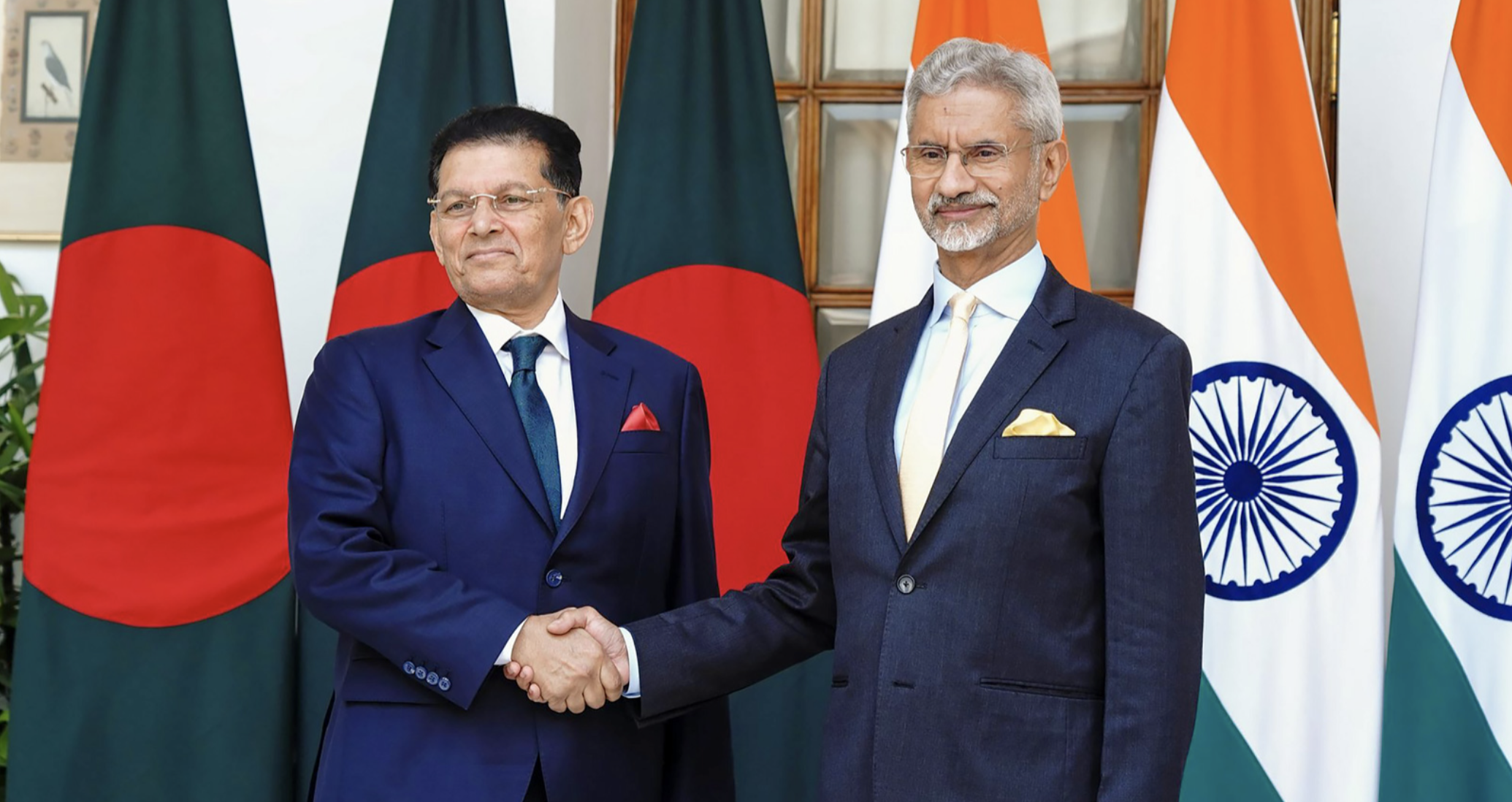
Just four months ago, India and Bangladesh seemed determined to move beyond the difficulties faced during the two-year transition of Mohammad Yunus. But former PM Sheikh Hasina’s audio address to her constituents via Delhi changed the mood. Can the realists and pragmatists in Delhi and Dhaka rebuild and strengthen a coalition of mutual interests?

Twitter_@DrSJaishankar Courtesy: Twitter/@DrSJaishankar
12 August 2026

India bids for UNSC

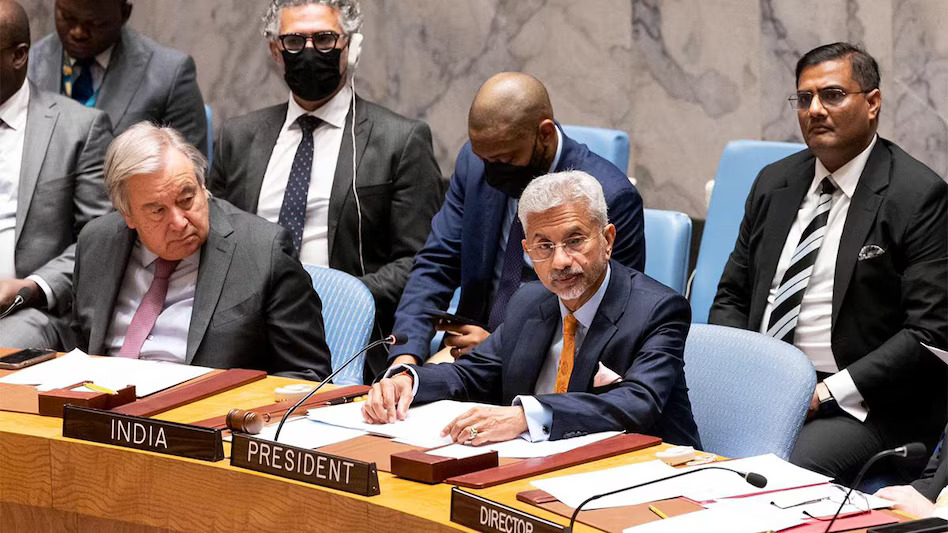
India has officially launched its campaign for a non-permanent seat on the UNSC for 2028-29. This will be India’s ninth time on the UNSC. The election is strict and process-driven. The campaign has been launched well in time to ensure election with the highest possible number of votes to signal global acceptance of India, now the world’s most populous country, as a permanent member of the UNSC.

Dr. RS Courtesy: Gateway House
18 June 2026

Pakistan-Afghanistan: Conflict Without Resolution

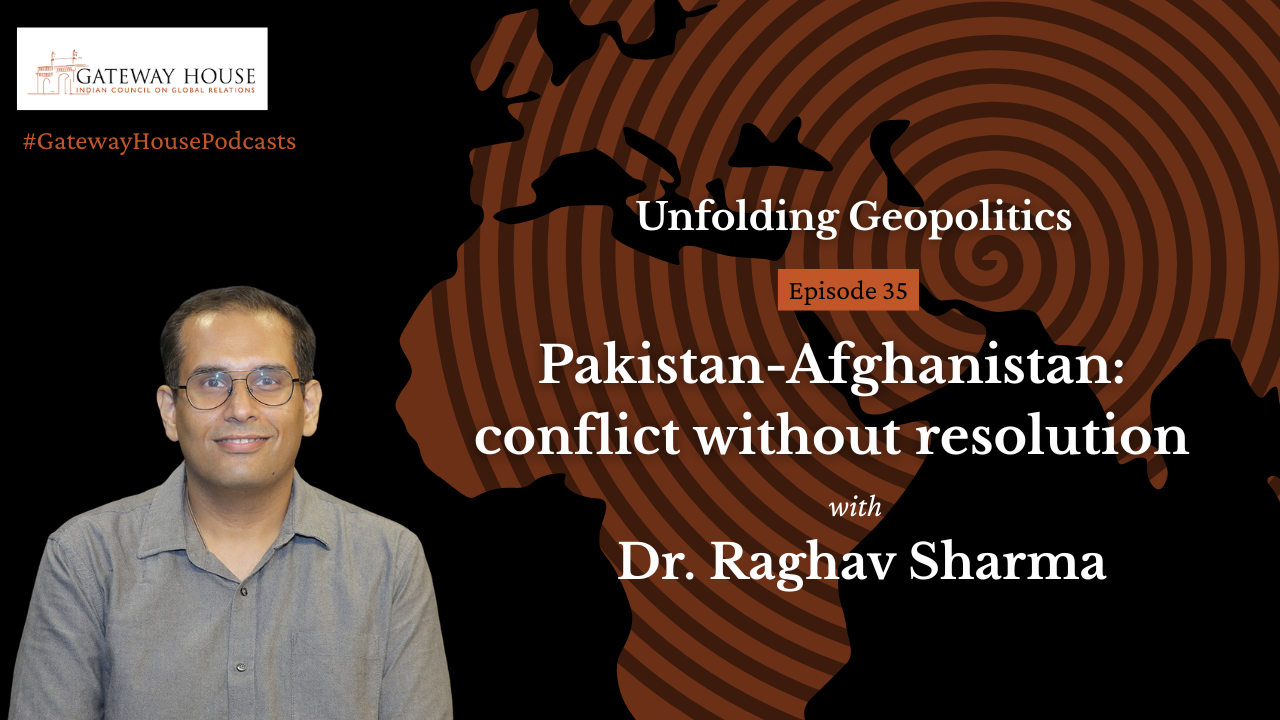
Pakistan and Afghanistan have long shared one of the world's most volatile borders. Pakistan's 2025 airstrikes inside Afghanistan marked a dramatic rupture in a relationship Islamabad had once carefully cultivated. Regional expert Raghav Sharma examines the evolving military balance, China’s mediation efforts, the role of the Gulf states, and how the Iran conflict is reshaping Pakistan’s economy and internal fault lines. The result is a region facing multiple crises, where traditional strategic assumptions no longer offer clear answers.

1 (5) Courtesy: Gateway House
11 June 2026

Decoding India’s Neighbourhood dynamics

Nepal’s ruling party leader, Rabi Lamichhane, visited India from June 1-5, 2026, highlighting Nepal’s evolving political priorities under the leadership of new Prime Minister Balendra Shah. A conversation with Nayanima Basu examines how India is faring under its Neighbourhood First and Act East policies and how New Delhi should navigate an increasingly volatile and sensitive region.

amb HVS (2) Courtesy: Gateway House
7 May 2026

Unfolding Geopolitics Episode 33 |Foreign policy impact of Bengal elections

The state elections in the eastern states of Bengal and Assam have given a massive mandate to the ruling Bharatiya Janata Party. The opportunity for transformation and progress is enormous, especially as both these states are the crucial connectors to India’s Act East Policy. Harsh Shringla, Member of Parliament and former Foreign Secretary of India, says India’s foreign policy will see multiple benefits from these states.

AP517-519 00_Cover.indd Courtesy: Routledge
7 May 2026

India and the Rebalancing of Asia

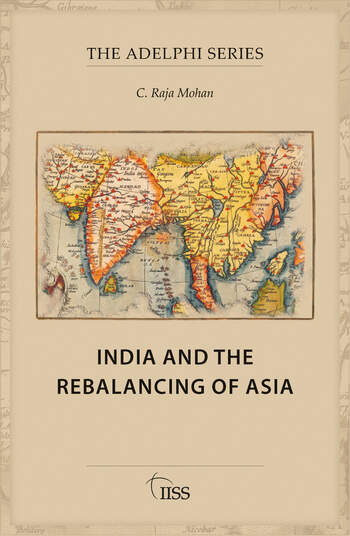
In this book, C. Raja Mohan analyses Asia’s shifting political, economic, military, and technological balance, with particular focus on U.S.-China and India-China relations. He argues that India’s rise from a middle power to an emerging great power will require stronger hard power, diplomatic creativity, economic vitality, and domestic consensus. Yet, amid tensions over tariffs, Russian oil, Gaza, and the U.S.-Iran conflict, India’s strategic path remains challenging.