rk (2) Courtesy: Gateway House
9 April 2026

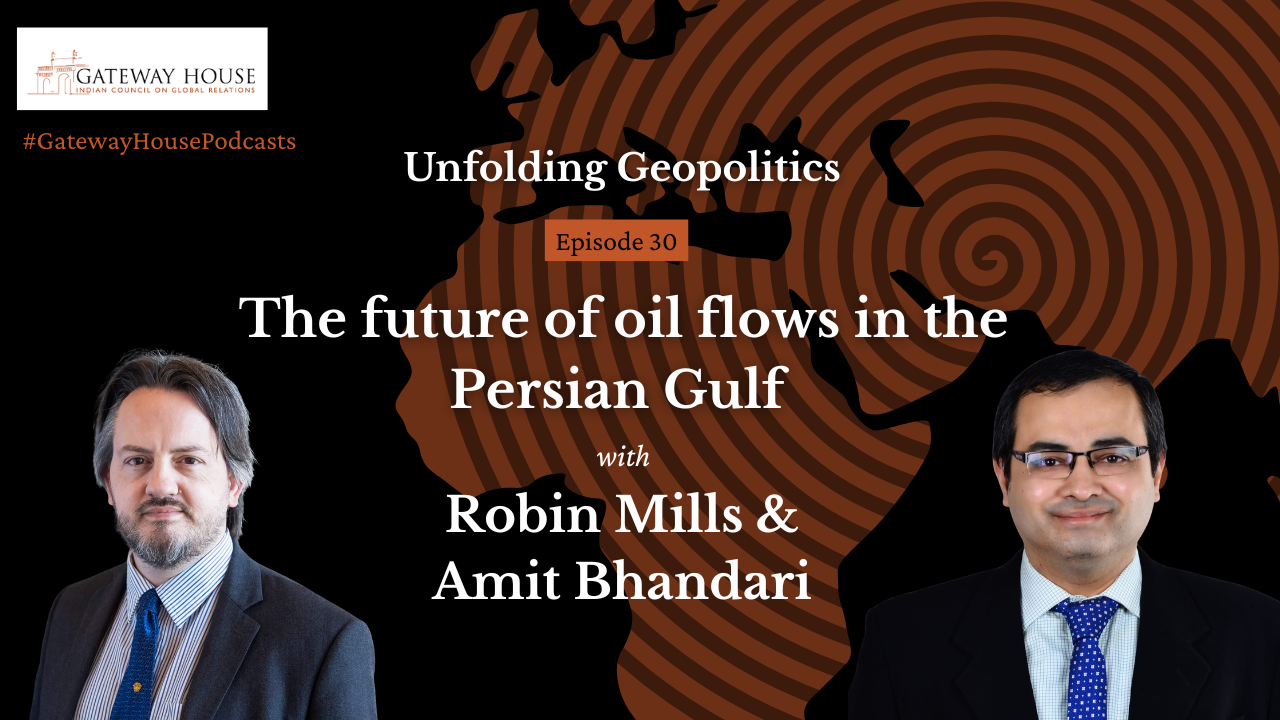
The future of Persian Gulf oil flows

The assumption that the Iranian public will rise up against its religious and political leadership, seizing the opportunity provided by Israel and U.S. strikes against Iran, may not prove true. Iran’s civilisational structure is resilient, and its educated population may not like being dictated to by the West. Raja Karthikeya, a former international civil servant based in Tehran, examines the escalating U.S.-Israel conflict with Iran, its regional and domestic implications and the tenacity of Iran’s political system amid external pressure.
Website articles  (62) Courtesy: Gateway House
26 March 2026

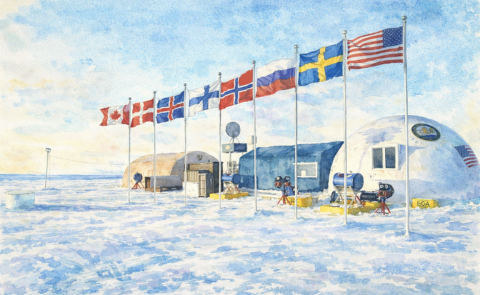
Arctic politics: between competition and cooperation

The Arctic region is at the crossroads of the dramatic environmental shifts and heightened conflict that are shaping global politics today. In the region, major geopolitical events and enduring rivalries necessitate a logic of competition, yet coordination on transboundary issues remains important. This echoes the challenges facing oceans, ecosystems and planetary problems in global governance more broadly, in which political efforts yield frustratingly incremental, yet indispensable, results.

Website articles  (52) Courtesy: AFP
9 March 2026

Iran regime change unlikely

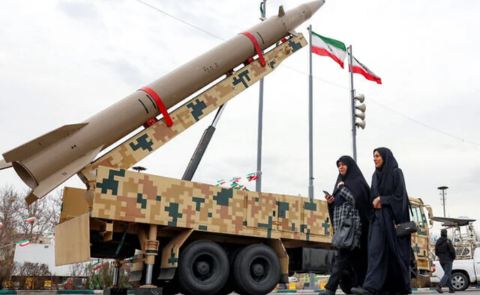
The U.S.–Israel war against Iran will alter the geopolitical landscape of West Asia and adversely impact the global economy, including India. Vali Nasr, Majid Khadduri Professor of International Affairs and Middle East Studies at Johns Hopkins University School of Advanced International Studies, analyses the conflict and its implications in an exclusive conversation with Nayanima Basu.

Website articles  (11) Courtesy: Shutterstock
5 March 2026

West Asia conflict: who benefits?

The U.S. and Israel launched precise airstrikes on Iran, targeting nuclear facilities and senior leadership. Their aim is to weaken Iran’s nuclear programme and potentially induce regime change, while Tehran’s priority remains regime survival. The conflict’s duration will depend on whether it remains limited to missile exchanges or escalates into asymmetric warfare.

Website articles  (51) Courtesy: Gateway House
4 March 2026

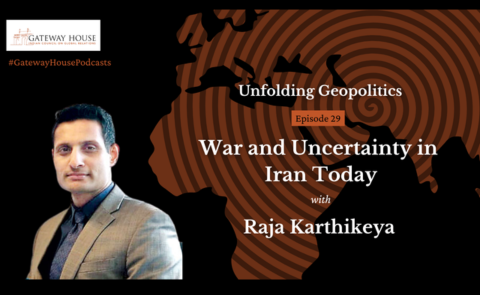
Unfolding Geopolitics Episode 29 |War and uncertainty in Iran today

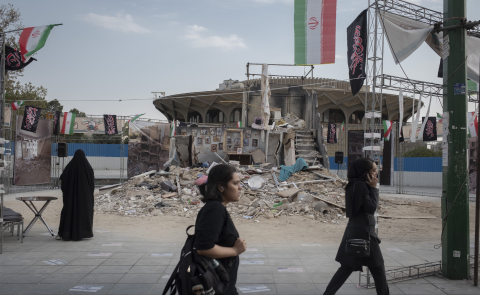
The assumption that the Iranian public will rise up against its religious and political leadership, seizing the opportunity provided by Israel and U.S. strikes against Iran, may not prove true. Iran’s civilisational structure is resilient, and its educated population may not like being dictated to by the West. Raja Karthikeya, a former international civil servant based in Tehran, examines the escalating U.S.-Israel conflict with Iran, its regional and domestic implications and the tenacity of Iran’s political system amid external pressure.
Website articles  (43) Courtesy: Reuters
25 February 2026

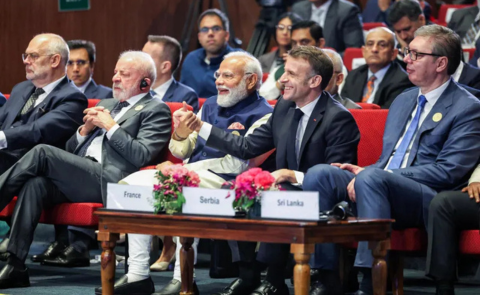
Macron, Modi, Lula: the emerging troika

A new troika is on the rise: India, France and Brazil, led by Modi, Macron and Lula. They were present at the AI Impact Summit in New Delhi on February 20, representing the three largest democracies in Latin America, Asia, and Europe. Can their mutual understanding and global influence bring prosperity and resilience to their economies and strengthen their cooperation in addressing global challenges?

2 (12) Courtesy: Ingram Pinn
19 February 2026

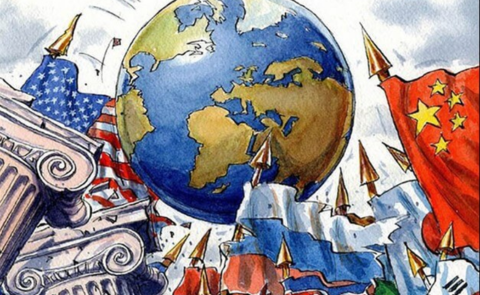
Managing multipolarity in a multilateral world

Multipolarity indicates who holds power, while multilateralism is about how states choose to cooperate. In today’s world, power is diffusing and interdependence is deepening simultaneously. A multipolar world creates fluid alignments and strategic competition, but multilateralism manages interdependence through rules and institutions. The world is becoming both, simultaneously, requiring states to manage competition, preserve cooperation, and stabilise an increasingly complex global landscape. That is easier said.

News on Air (4) Courtesy: DD News
29 January 2026

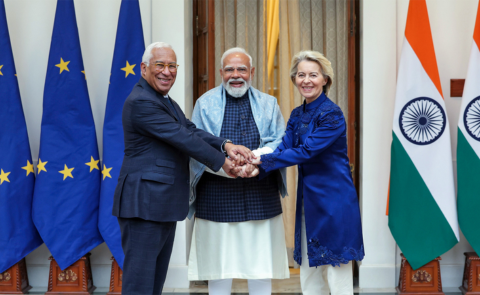
The European pivot to India

By signing the EU-India Free Trade Agreement on January 27, the ties that bind India and the European collective have been re-energised. They are now set to reach new heights, while overcoming past hesitations and divergences.

Website articles  (35) Courtesy: Getty Images
22 January 2026

Can NATO survive without Article 5?

The U.S. demand for Greenland for security purposes, has alarmed Europe enough for talk of Article 5 of NATO’s collective defence agreement to be put on the discussion table. But can NATO survive without Article 5? And can Article 5 survive without the U.S. defence cover for Europe?

Website articles  (31) Courtesy: BBC
15 January 2026

Venezuela and the Donroe Doctrine

U.S. action in Venezuela has resurrected the 200-year-old Monroe Doctrine which sought to prevent foreign interference in the Western Hemisphere. Originally intended to keep European colonial powers away, it has been reinterpreted over the years beyond that. Donald Trump has reasserted and updated it to the “Donroe Doctrine,” to revitalise U.S. regional hegemony – and through it, some reduction of Chinese and Russian influence.