rk (3) Courtesy: Gateway House
9 April 2026

The future of Persian Gulf oil flows

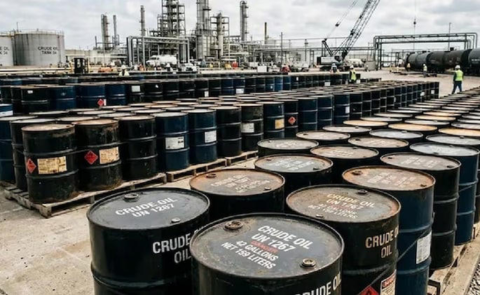
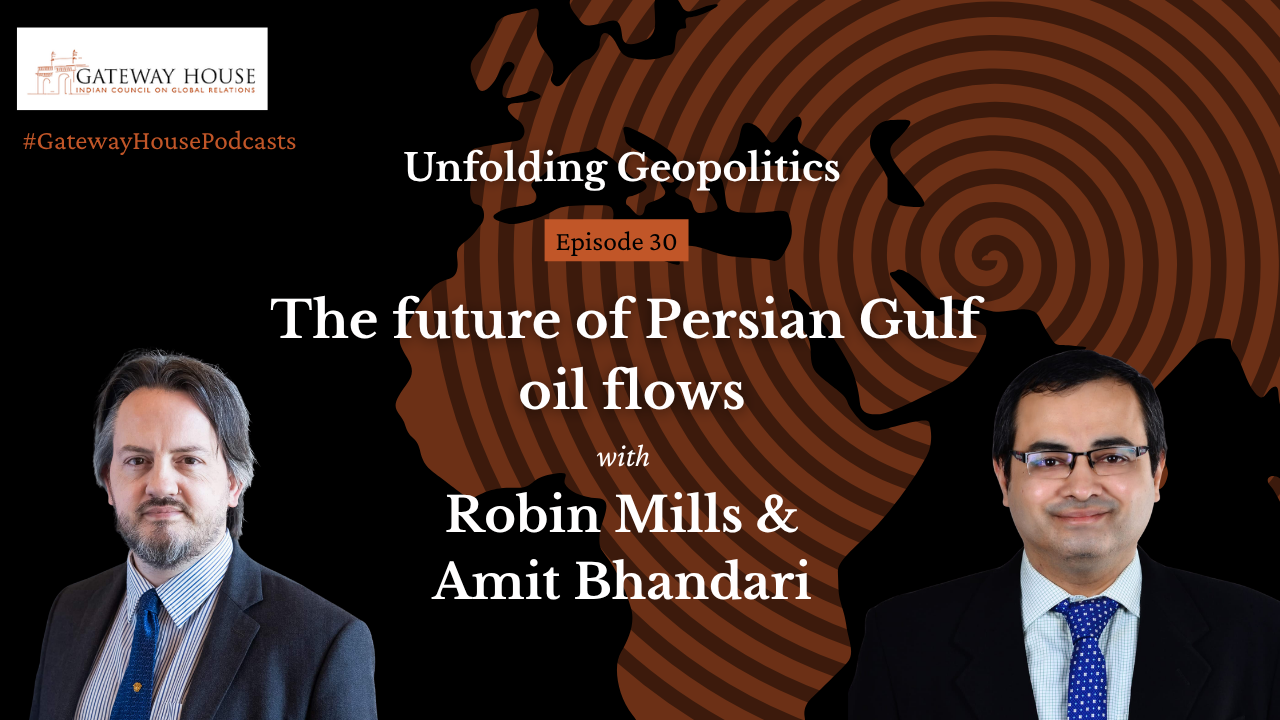
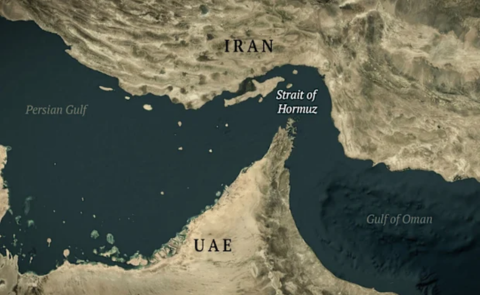
Following the U.S.–Iran ceasefire and partial reopening of the Strait of Hormuz, energy flows may resume, but uncertainty persists. Robin Mills, CEO of Qamar Energy, and Amit Bhandari, Senior Fellow on Energy, Investments and Connectivity, Gateway House, note that Iran will retain leverage and will continue influencing prices and supply chains. Natural gas shortages will further disrupt fertiliser production and fuel inflation world-wide.
Website articles  (73) Courtesy: AFR
2 April 2026

India’s options after the Persian Gulf war

The Persian Gulf conflict has already impacted India’s oil imports and financial security. However, India has not created meaningful options to protect itself from oil shocks over the last decade – and such shocks will continue. Now is the time for India to make equity investments in oil and gas companies in stable economies like the U.S., Canada and Australia, to protect itself from future energy crises.

Website articles  (68) Courtesy: AFP
2 April 2026

Modi’s Israel visit brings defence and tech

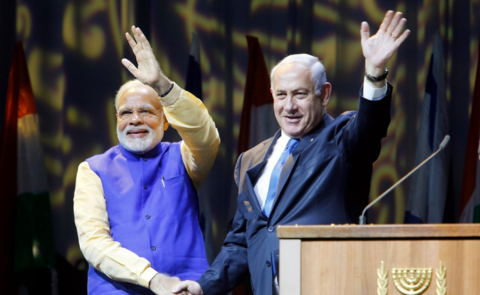
It is important to take an objective review of PM Modi’s visit to Jerusalem and its implications for India’s security. New Delhi will have to demonstrate its strategic autonomy by managing heterogeneous and often contrapuntal relationships and strike a balance in its ties with the U.S. and Israel on the one hand and Iran and the Arab world on the other hand.

Website articles  (60) Courtesy: MSN
19 March 2026

Gulf War pinches South Asia

The war in the Persian Gulf has already caused significant disruption in India’s South Asian neighbours. A prolonged conflict is likely to push the region back into economic and political crises from which it had been hopeful of emerging this year.

Website articles  (58) Courtesy: Finland in India
19 March 2026

A significant Finnish visit

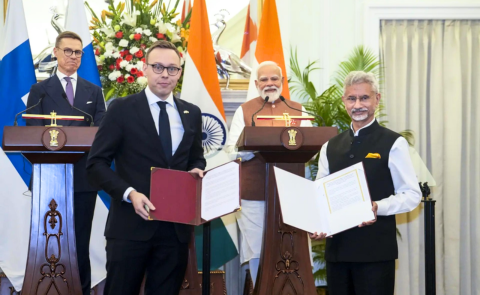
Amid the fast-changing geopolitical landscape, European Union (EU) member states seem to have rediscovered the value of close cooperation with India, an Asian power with greater ambitions. India, too, finds that growth in partnership with the EU and the UK is a source of strategic comfort. Both sides are propelled to deeper mutual policy proximity by the pressures generated by the Trump 2.0 presidency in the U.S.

Website articles  (56) Courtesy: Gateway House
19 March 2026

BRICS CBDCs can lead to financial multipolarity

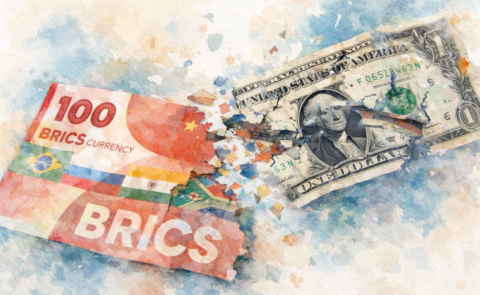
India’s proposal to link the digital currencies of the BRICS nations could alter how emerging economies settle trade deals. It is necessary to examine the reasoning behind such a move, its effort to reducing dollar dependence, and the benefits that accrue to India.

Website articles  (53) Courtesy: Gateway House
11 March 2026

Africa’s Marginalisation: How India Must Respond

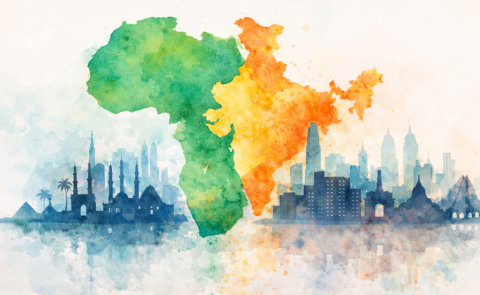
Once central to global strategic discourse, the Indo-Pacific and Africa have been sidelined amid the “Age of Polycrisis,” as attention shifts to crises in Europe and West Asia. While India has long expressed goodwill toward Africa, recent regional tensions have pushed the continent off its strategic radar. Renewed India–Africa cooperation is essential to advancing the agenda of the Global South and strengthening South–South partnerships.

Website articles  (9) Courtesy: Bloomberg
5 March 2026

Canada-India reset gathers momentum

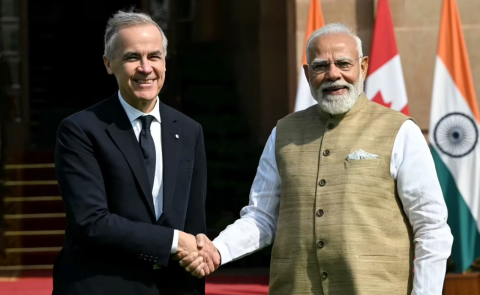
Canadian Prime Minister Mark Carney’s visit to India from February 27 to March 2, though sandwiched between the AI Impact Summit and the outbreak of the U.S.-Israel war against Iran, produced concrete outcomes with long-term impact. The visit announced a multidimensional roadmap aligning India’s ‘Viksit Bharat’ vision with Canada’s ‘Build Canada Strong’, to ensure the bilateral relationship does not drift apart again.

Website articles  (51) Courtesy: Gateway House
4 March 2026

Unfolding Geopolitics Episode 29 |War and uncertainty in Iran today

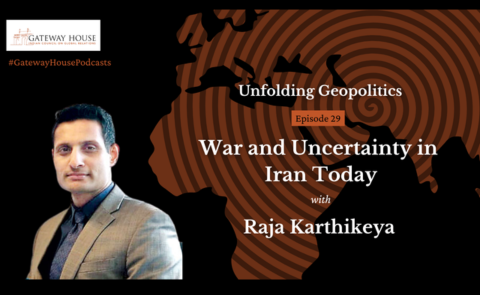
The assumption that the Iranian public will rise up against its religious and political leadership, seizing the opportunity provided by Israel and U.S. strikes against Iran, may not prove true. Iran’s civilisational structure is resilient, and its educated population may not like being dictated to by the West. Raja Karthikeya, a former international civil servant based in Tehran, examines the escalating U.S.-Israel conflict with Iran, its regional and domestic implications and the tenacity of Iran’s political system amid external pressure.

Website articles  (44) Courtesy: Indian Navy
26 February 2026

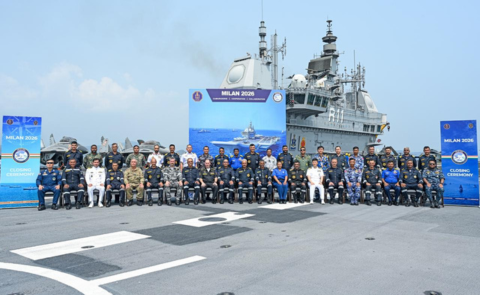
Indian Navy advances ambitions, enhances diplomacy

Over the last two decades, the Indian Navy has taken a quantum leap in modernising its fleet with stealth frigates, warships, submarines, and fighter planes. Its goal is to be the net security provider and first responder securing Sea Lines of Communication in the region. But it is still lagging behind its Indo-pacific naval partners and most important, its regional rival, China.