rawlines Courtesy: Gateway House
6 August 2026

The Kremlin: AI ecosystem architect

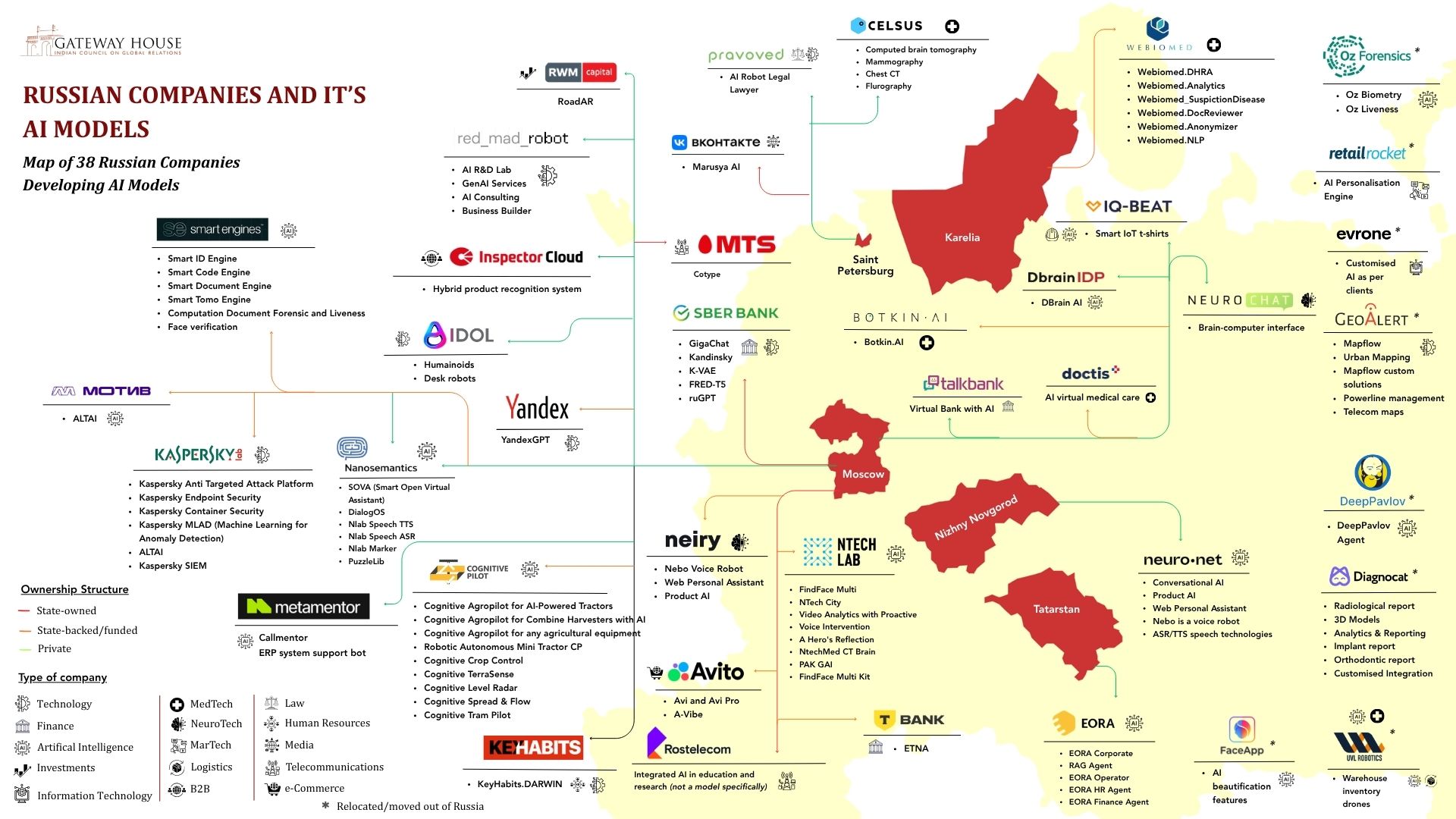
At the St. Petersburg International Economic Forum in June, President Vladimir Putin reiterated that Russia is building a sovereign AI ecosystem. Despite Western sanctions and the brain drain following the Ukraine war, Moscow continues to support AI startups and SMEs through state-backed funding. There are 38 Russian AI companies, and it is worth analysing their backgrounds, classifications, and the links between them and the Russian state.
sabrang india (1) Courtesy: Council on Foreign Relations
23 July 2026

India should re-examine its energy investment

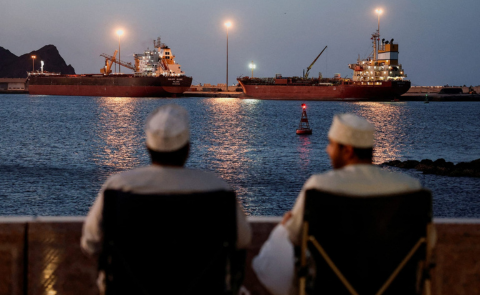
The absence of panic in the energy markets despite the renewed U.S.-Iran fighting indicates a well-supplied oil market in the longer term. That means stability for energy short countries like India in the long term. In the short term, however, India will be impacted by other disruptions, such as the increased use of sanctions.

Kenny Holston  AP (3) Courtesy: Business Post
11 June 2026

AI and its spin-off gains

The AI industry in the U.S. is on a high, with three major upcoming public offerings on the table from Anthropic, Open AI and Space X hogging the attention and news. But users are increasingly concerned about costs, and developers are rushing to raise capital. When the effervescence abates, a reduced appetite for AI stocks may eventually see investors return to emerging markets. Can India benefit?

Website articles  - 2026-05-28T124708.235 Courtesy: Global Times
28 May 2026

The Quad, reset

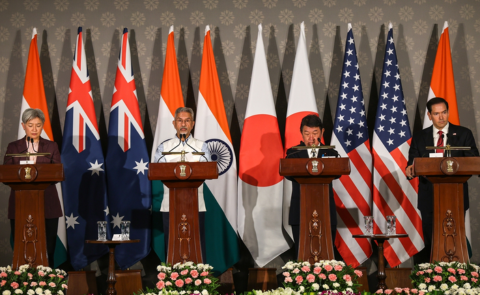
The Quad Foreign Ministers’ Meeting, held in New Delhi on May 26, highlighted both the progress and uncertainties surrounding the grouping. Significantly, it reaffirmed U.S. engagement. While the Quad has expanded its agenda and provided some concrete outcomes, the all-important Leaders’ Summit is still not visible – a worry for India’s prolonged chairship since 2024.

BERNAMA Courtesy: BERNAMA
13 February 2025

High expectations of Malaysia as ASEAN chair

Malaysia’s chairmanship of ASEAN in 2025 is pivotal. It will have to steer ASEAN toward regional peace, stability, and prosperity while reinforcing its centrality. All this during a time of heightened geostrategic rivalry, economic deglobalisation, rising protectionism, and nationalist trends.

Infographic- 22.03.2023 Courtesy: Gateway House
23 March 2023

Tech giants in distress

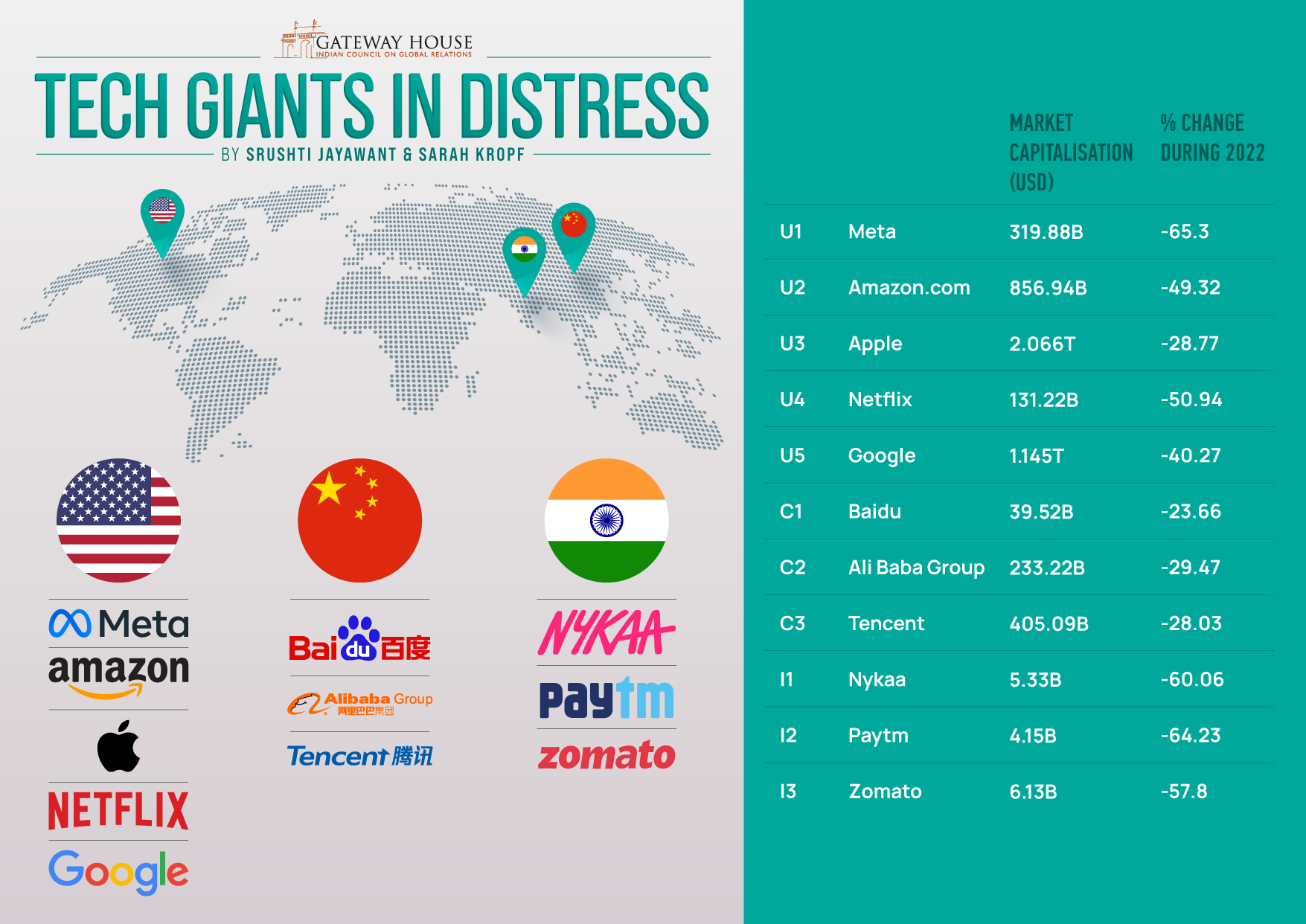
The combined effects of the pandemic and recent geopolitical tensions have resulted in some of the world’s leading tech companies facing crises on multiple fronts. A fall in market capitalisation, along with a sharp decline in equity has resulted in shrinking market shares for many of these giants.

Moutai PNG Courtesy: The Economic Times
27 October 2022

China’s new corporate top dogs

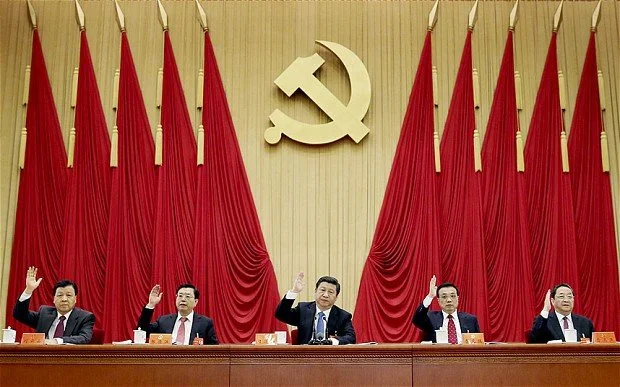
A quick look at the list of top Chinese companies shows that the vaunted private sector has receded and the state-owned giants now dominate. Under the new Xi Jinping regime, they are unlikely to relinquish their position. What does this mean for China – and for India?

ISRO satellite Courtesy: ISRO
26 May 2022

India’s EO satellites in the Indo-Pacific

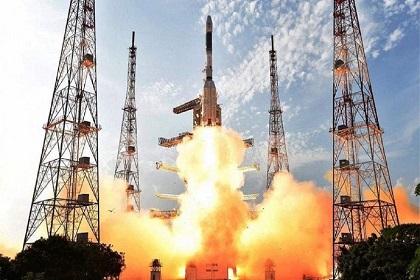
The Quad has agreed to launch a satellite-based maritime security initiative to curb illegal fishing by China. India is a global leader in satellite launches, especially in Earth Observation (EO) satellites. The Indo-Pacific nations are looking at the Indian model because it is applicable, economical, and sustainable.

Narendra-Modi-Silicon-Valley-684x420 Courtesy: Twitter: Digital India Archives
19 May 2022

Digital public goods for the Indo-Pacific

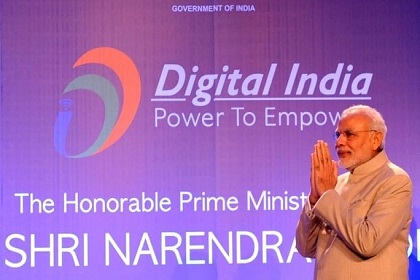
With mass digitisation, India has proved that technology is not just for the educated, privileged, and wealthy. The country's open and secure digital public platforms can be significant for the Indo-Pacific, the world's most data-rich region. The Indian model is applicable because it is open-source, interoperable, auditable, and enshrines individual rights, ownership, and empowerment.