Website articles  (3) Courtesy: AFP
13 November 2025

Pax Fragilis in Gaza: rupture and repair

The arc of revolutions has two acts: rupture - upending the status quo - and the craft of repair. Often, the second is as hard as the first. Today's Pax Fragilis in Gaza is narrow, given the continuing humanitarian crisis, regional reactiveness, limited scope of de-escalation channels, multiple actors' motivations for a permanent ceasefire, and the capabilities of Israel and Palestine to build a pathway with certainty.

PTI Courtesy: PTI
30 October 2025

India’s Taliban outreach

The visit of Taliban foreign minister Mawlawi Amir Khan Muttaqi to India has resulted in the reopening of the Indian mission in Kabul, and the resumption of stalled projects, mostly in the development sector. India now needs a long-term strategy for Afghanistan – starting with an outreach to the Taliban’s Supreme Leader, the dreaded Haqqani network, even the anti-Taliban groups – to secure its position in that country.

Ivan Courtesy: Gateway House
8 October 2025

Unfolding Geopolitics Episode 23 | India renews engagement with Afghanistan

Afghanistan’s Foreign Minister Amir Khan Muttaqi will visit India on October 10, marking the first high-level Taliban visit since the group took over Kabul in 2021. Nayanima Basu discusses the purpose of this visit and the importance of engagement with Afghanistan. She explains the roles of China, which seeks business; Pakistan, which pursues political interests; and the U.S., which has a renewed interest in Bagram Air Base and its return to the country it abandoned.

Kurdistan Courtesy: Reuters
22 April 2025

The new Kurdish reality in West Asia

Kurdish independence has been an unresolved problem in West Asia for over a century, but a solution may be in sight. Two recent developments highlight this: the unilateral ceasefire declaration by the Kurdistan Workers Party and the signing of a Memorandum of Understanding between Syria’s transitional government and the Syrian Democratic Forces. These may be key to resolving the Kurdish issue.

APTOPIX Russia Ukraine War Courtesy: AP
13 March 2025

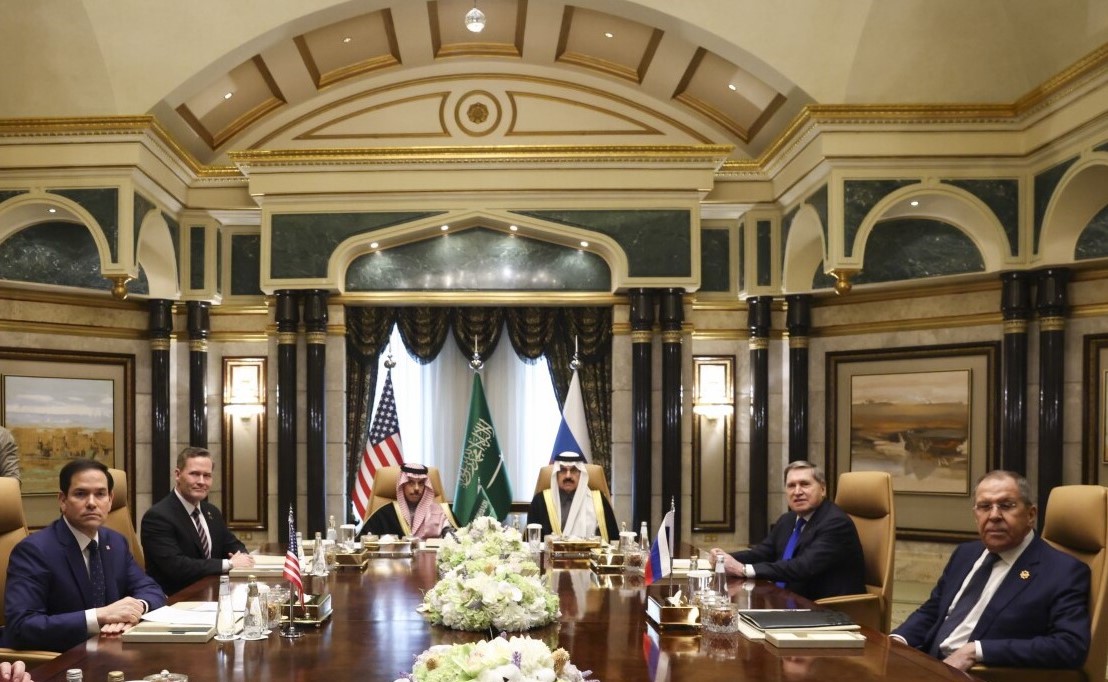
Riyadh and the new halls of mediation

Saudi Arabia has been the new centre for mediation between warring states and their sponsors. It reflects the shifting dynamics in an increasingly multipolar world and the redefinition of power structures. This role has extended to other Gulf states, which have strategically positioned themselves as neutral players, leveraging their strong relations with the great powers, and adopted culturally sensitive to consensus-building.

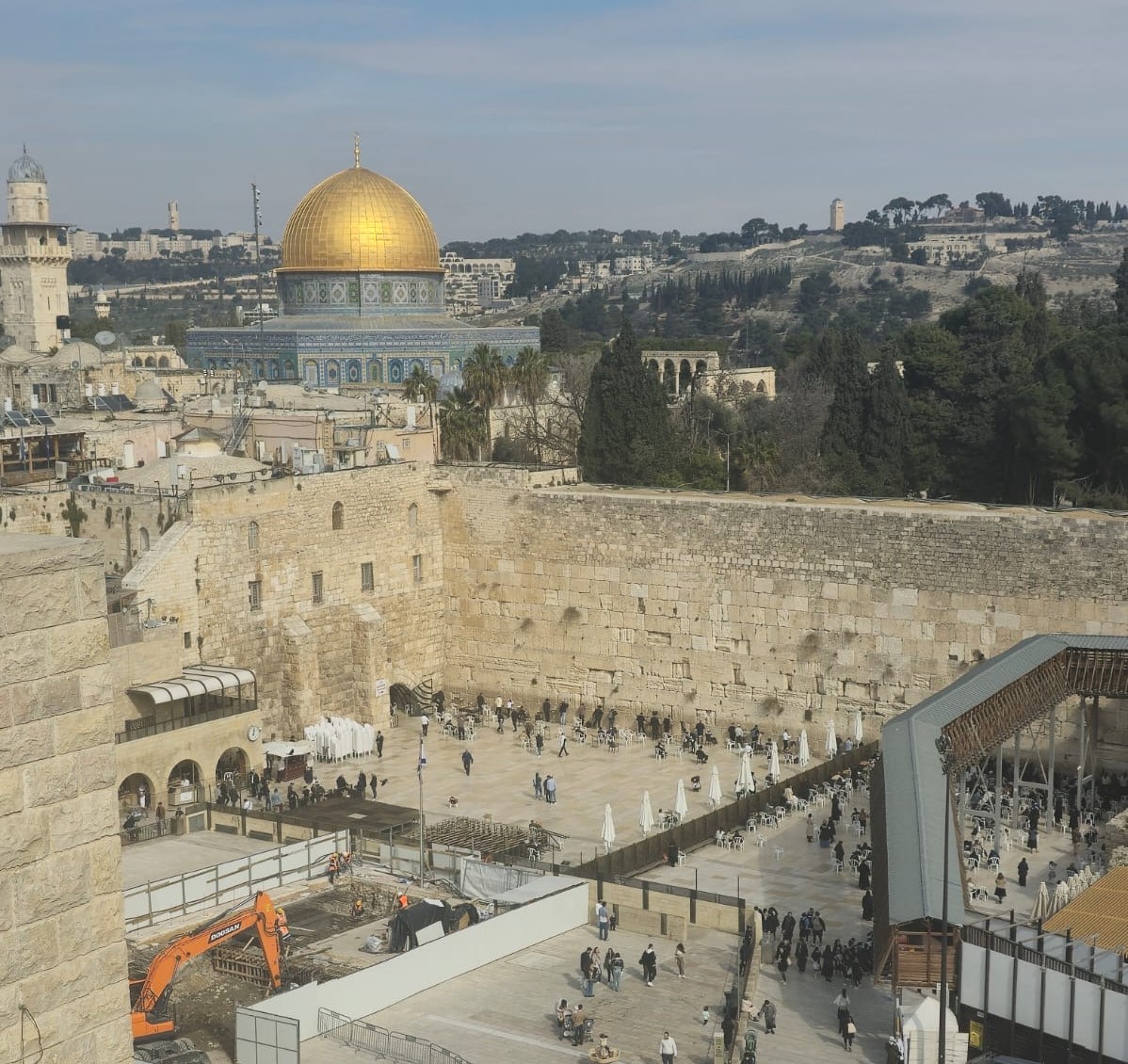
A view of the Western Wall and Dome of the Rock. Source: Sifra Lentin Courtesy: Gateway House
20 February 2025

A ‘ceasefire’ visit to Israel

A visit to Israel in the last week of January coincided with the six-week ceasefire between Israel and Hamas and the 80th anniversary of the Holocaust in which 6 million Jews were killed during the Second World War. It revealed a country at war and in mourning, yet one whose natural resilience looked to the future with optimism.

Map-2-International-Trade Courtesy: Oxford University Press
23 January 2025

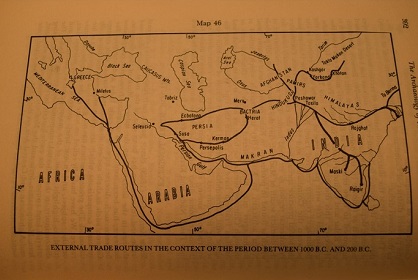
The ancient precursor to IMEC

The India Middle-East Europe Economic Corridor (IMEC) announced during India’s G20 leaders’ summit in September 2023 aims at security and ease of connectivity by multi-modal physical, digital and energy corridors connecting India, UAE, Saudi Arabia, Israel, and Europe. Like many of the connectivity projects created around the world today, IMEC’s origins are 2,300 years old, ancient routes that connected the Indian Ocean to the Mediterranean Sea

354545 Courtesy:
12 December 2024

Saudi Arabia’s rising regional positioning

At a time of high geo-political tensions, the Kingdom of Saudi Arabia can play a calming role as it mediates between the U.S., Israel, and Iran. It is enabled by its own diplomacy, moving to strengthen ties with Iran, with the Gulf nations slowly coalescing on issues. For the first time, it is being done without the U.S. as interlocutor.

trump mideast Courtesy:
5 December 2024

A new U.S.-Middle East diplomatic landscape

Donald Trump has re-entered Washington with the backing of a solid political base, a redefined Republican Party, and a more seasoned presence on the international stage, including in the Middle East. Since his last imprint on that region in 2016, 2024 presents significant shifts: alliances redefined, regional power dynamics realigned, trade networks transformed, and urgent security challenges restructured. These changes demand strategic recalibration from all stakeholders.

Screenshot 2024-11-13 at 9.36.20 AM Courtesy:
14 November 2024

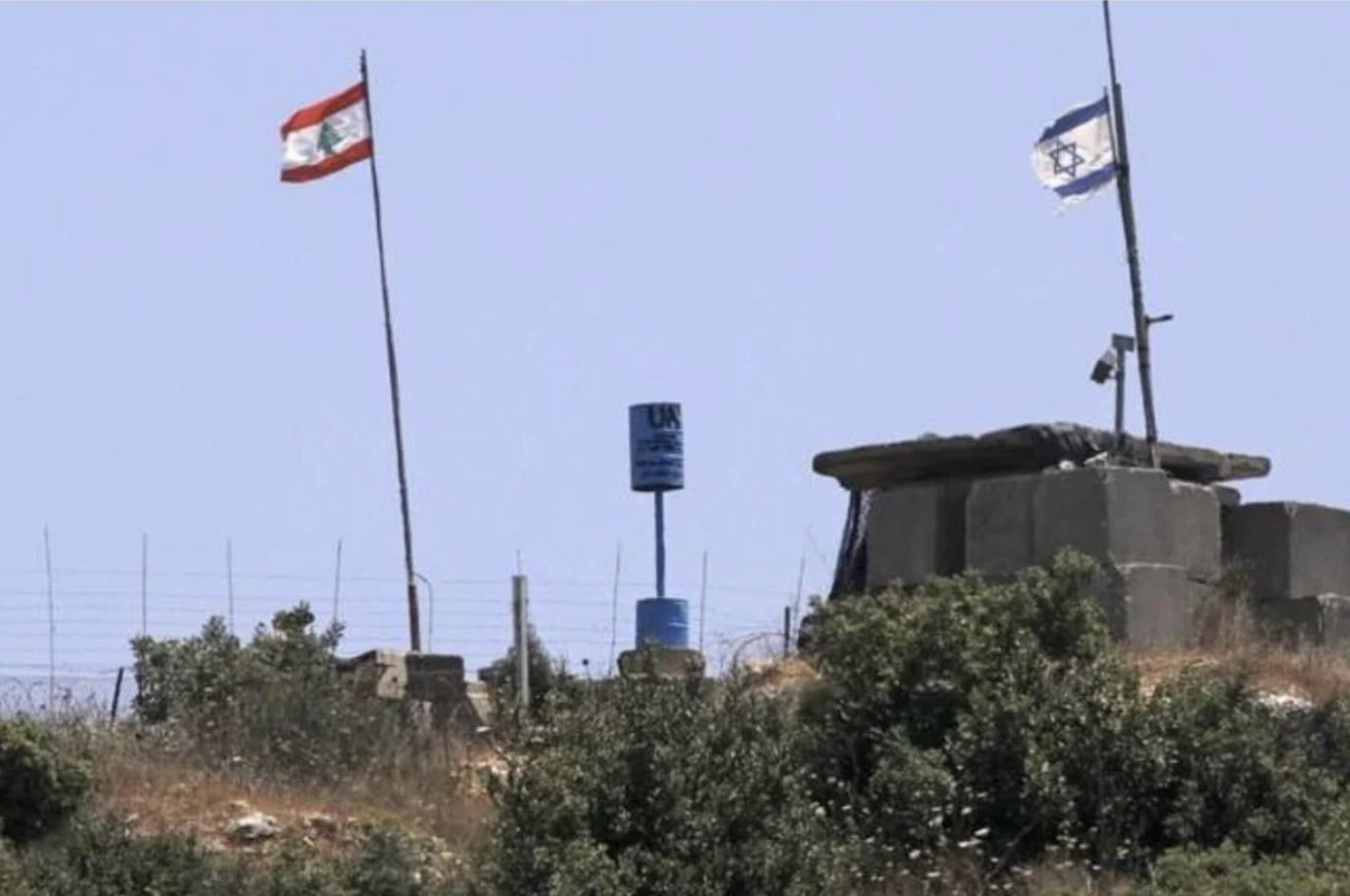
Israel once again in Beirut

The Israel-Hezbollah war has become the dominant event in the Middle East. The Israeli army has entered southern Lebanon, and Israel’s air force is targeting selected Hezbollah strongholds in Beirut. The year-long Israel-Hamas war is now a regional conflict, with international actors from the Gulf monarchies to Iran, the U.S., Europe, and the UN, trying to influence the course of events towards a ceasefire.