Gateway House Courtesy: Gateway House
3 July 2025

China Plus One and global supply chains

A slowdown of the Chinese economy, and the shift, particularly by MNCs, from China to other more competitive locations has opened up business opportunities for latecomers to supply chains in the developing world. Evidence suggests that Southeast Asia and some South Asian countries like India, Sri Lanka, Bangladesh, could be beneficiaries of the supply chain shift, particularly in labour-intensive segments.
New Spotlight Magazine Courtesy: New Spotlight Magazine
19 June 2025

A case for South Asia energy connectivity

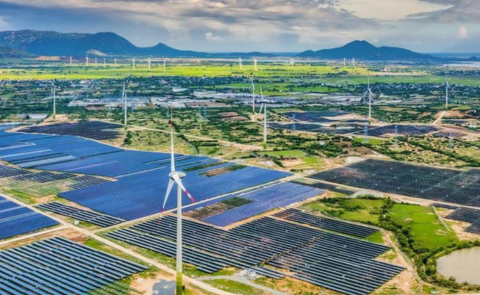
Building a robust engagement with India on energy can help offset some of the economic and political crises that most of India’s neighbours are facing. Smaller South Asian neighbours will benefit from cheaper electricity and oil, paving the way for greater regional economic cooperation.

Getty (1) Courtesy: Gateway House
15 May 2025

The New Geopolitics and South Asia’s Trade Architecture – What Next?

Geopolitics is increasingly intertwined with the economic destiny of South Asia. Even before the U.S. tariffs were rolled out, growing polycrises had hit the global economy, which has been struggling since the pandemic. South Asia seems a relatively bright spark of regional trade and growth. This paper analyses South Asia’s trade architecture in the backdrop of a sluggish world economy in the 2020s, and makes recommendations for closer regional economic integration.

PM Modi alongside other BIMSTEC leaders at 6th BIMSTEC Summit Courtesy: ANI
10 April 2025

BIMSTEC: Vision vs Reality

The 6th BIMSTEC Summit in Bangkok on April 4, 2025 saw progress for the organisation, such as the adoption of a ‘Vision 2030’ plan outlining its goals till 2030. In other areas, the grouping continues to lag. BIMSTEC must watch for potential challenges to its future as it seeks to bridge the gaps.

1_new0809c Courtesy:
10 October 2024

Unfolding Geopolitics, Episode 14 | India’s outreach in South Asia

The past week has been eventful for India’s Neighbourhood First policy, with the External Affairs Minister’s visit to Sri Lanka and the state visit of the President of Maldives to India. Rajiv Bhatia, Distinguished Fellow, Foreign Policy Studies, Gateway House and Amit Bhandari, Senior Fellow, Energy, Investments and Connectivity, Gateway House, analyse India’s regional outreach and recent economic and political changes in the subcontinent.

handbook Courtesy:
27 June 2024

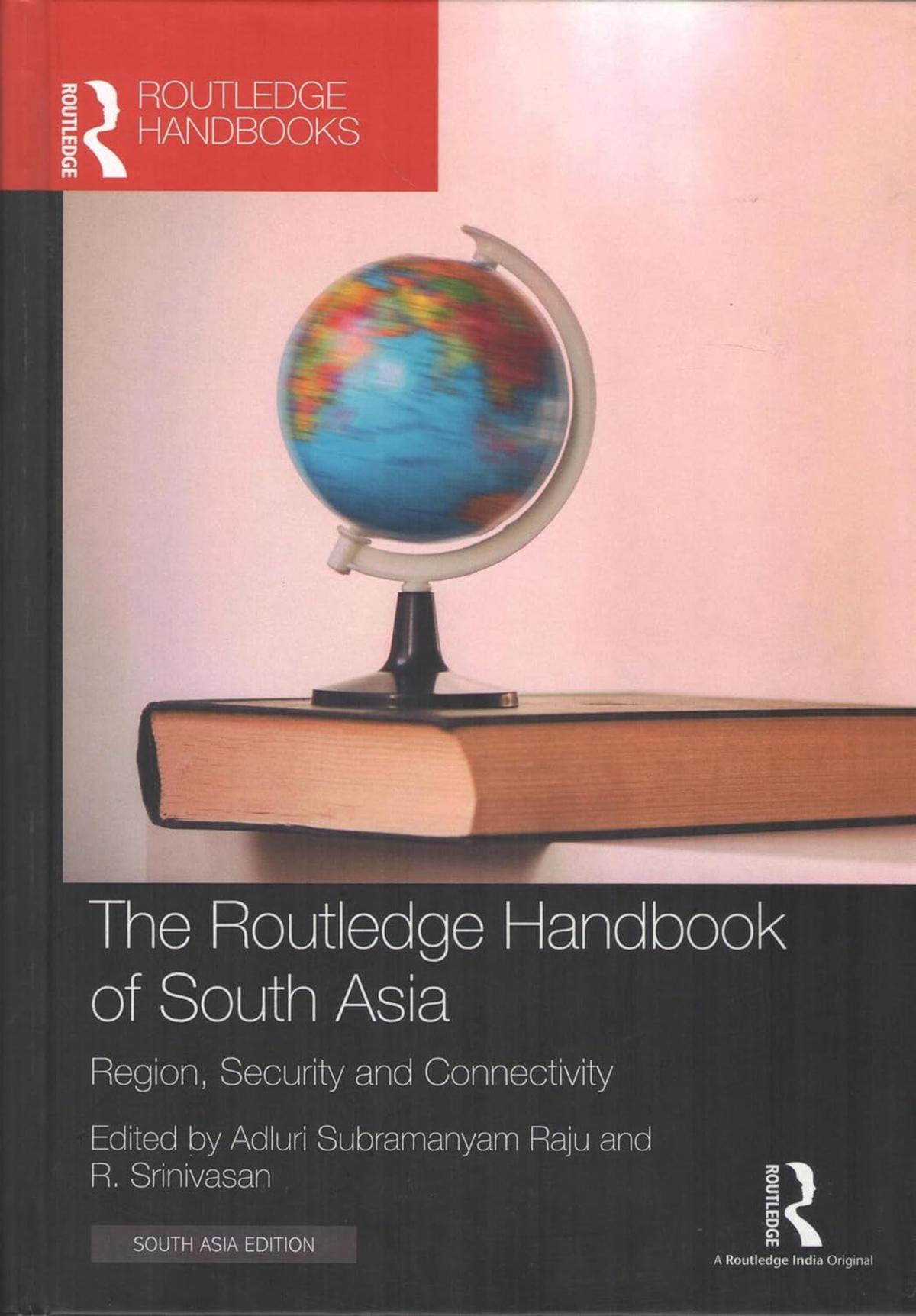
The Routledge Handbook of South Asia: Region, Security and Connectivity

The authors convincingly analyse the bewildering diversity, size and scale of the challenges of South Asia in a volume that is a rare treasure for those interested in deciphering the history, ethnic identities, colonial legacy, political economy, environmental risks, and geopolitical dynamics of the region.

SA trade Courtesy: Hindustan Times
15 February 2024

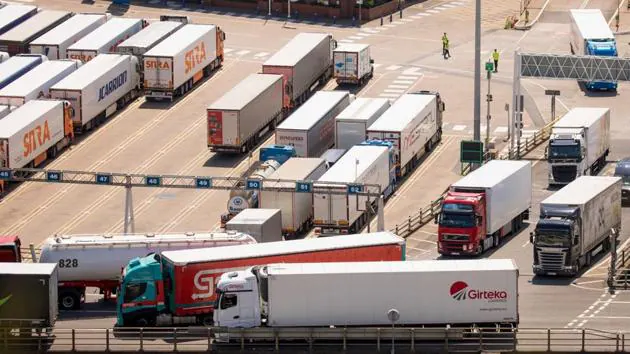
South Asia’s trade architecture matters

South Asia requires resilient and cost-effective regional supply chains. This can be achieved through Indian investment, fostering local linkages while reducing dependency on Chinese financing of regional partners. A new approach enhances India's regional influence, creating a win-win scenario for the entire South Asian neighbourhood in a changing global landscape.

nawaz-modi-saarc-reuters Courtesy: The Wire
9 January 2024

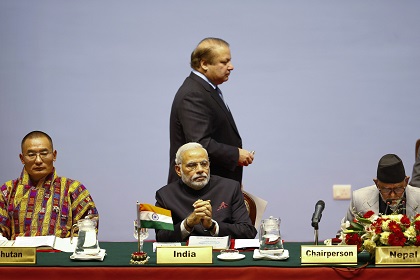
India and South Asia: what to expect in 2024

The more India enjoys cooperative relations with its neighbours, the greater its ability to exert influence in the world. Meanwhile, neighbours looking at India with a reasonable mindset may internalise that cooperating with the world’s fifth largest economy is clearly in their interest.

Colombo-port Courtesy: The Wire
3 August 2023

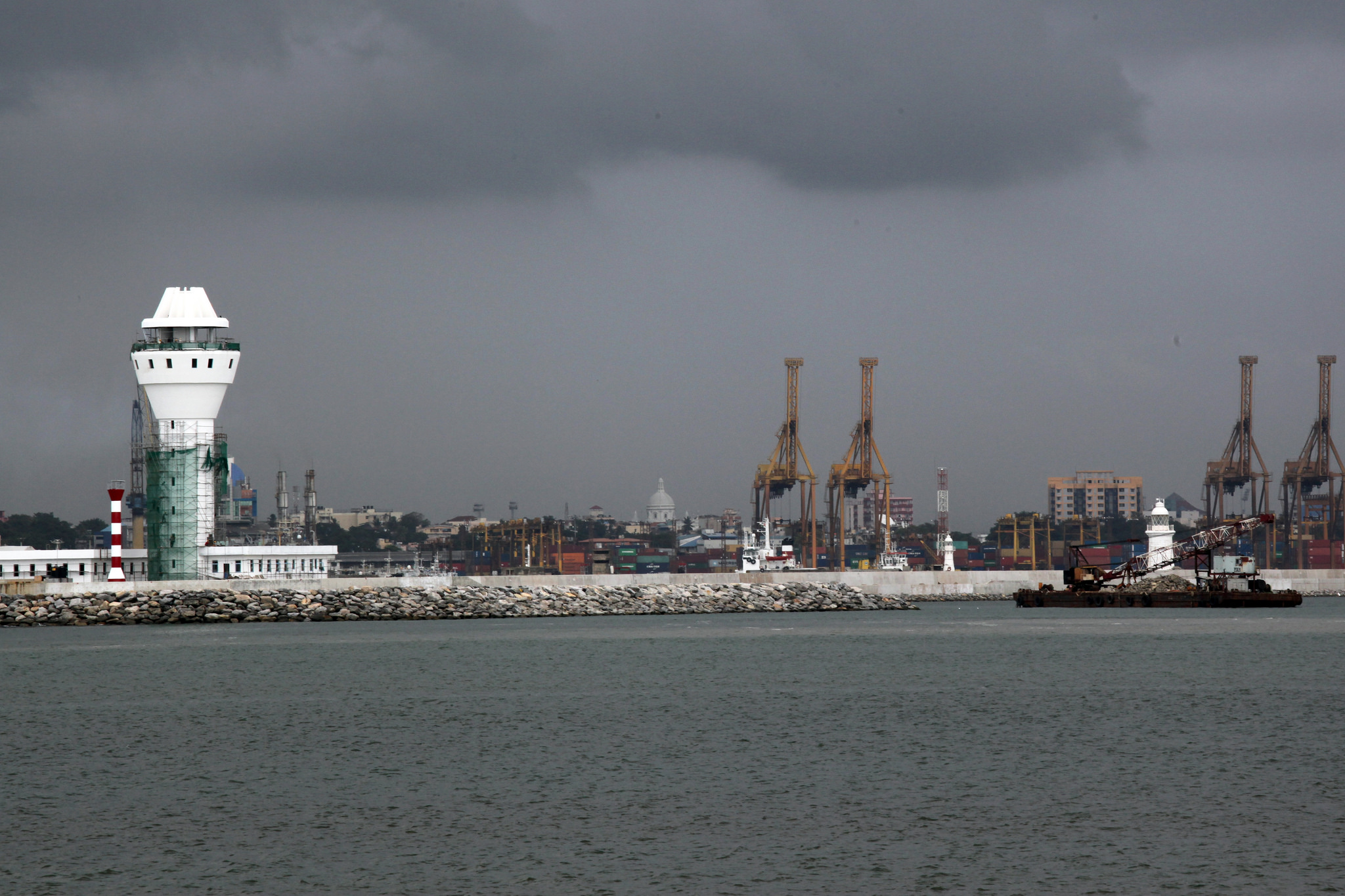
India-Sri Lanka: Connecting grids

India and Sri Lanka recently signed six energy agreements, including plans for an oil pipeline from India to Sri Lanka, electricity grid connectivity, and cooperation in renewable energy. Sri Lanka can benefit from India's cost-effective oil sourcing and processing and pay for it in rupees, easing its balance of payments crisis. Its wider use of the Rupee fulfills a long term objective for Indian policymakers.