Turkey: Europe’s new gas hub?
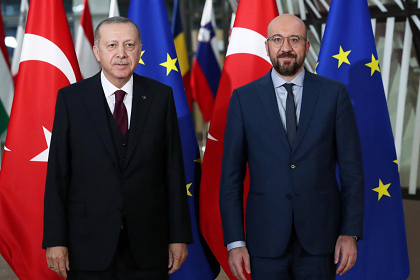
The Ukraine crisis has sent the EU scrambling for new gas supplies, generating fresh interest in gas pipelines from Central Asia and West Asia via Turkey. Practical difficulties make most of these new projects unviable.

 Courtesy: Reuters
The Ukraine crisis has sent the EU scrambling for new gas supplies, generating fresh interest in gas pipelines from Central Asia and West Asia via Turkey. Practical difficulties make most of these new projects unviable.
 Courtesy: UNODC
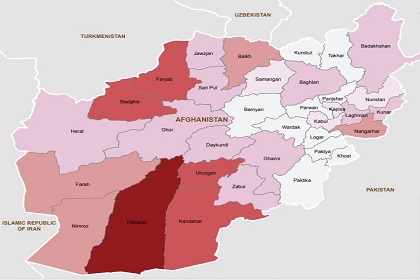
The Taliban's resurgence since 2001 has been largely funded by the creation of an opium economy and extortion. Now, with the withdrawal of U.S. troops, legitimate aid from Afghanistan and the freezing of Afghan funds abroad, the Taliban will revive its informal sources of finance to stay afloat. A look at the financing that brought the Taliban back to Kabul.
 Courtesy:
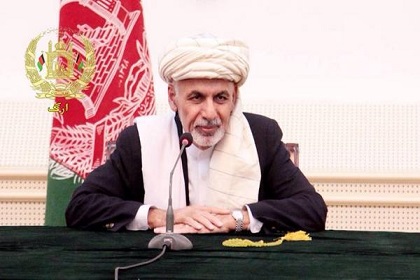
The Taliban should have been reintegrated into Afghan society several years ago. It is now probably too late to persuade them to accept anything less than a dominant role in Kabul. However, Turkey, Pakistan and the United States may have one last chance to pressure the antagonists into a negotiated settlement, perhaps along the following lines.
 Courtesy: Foreign Affairs
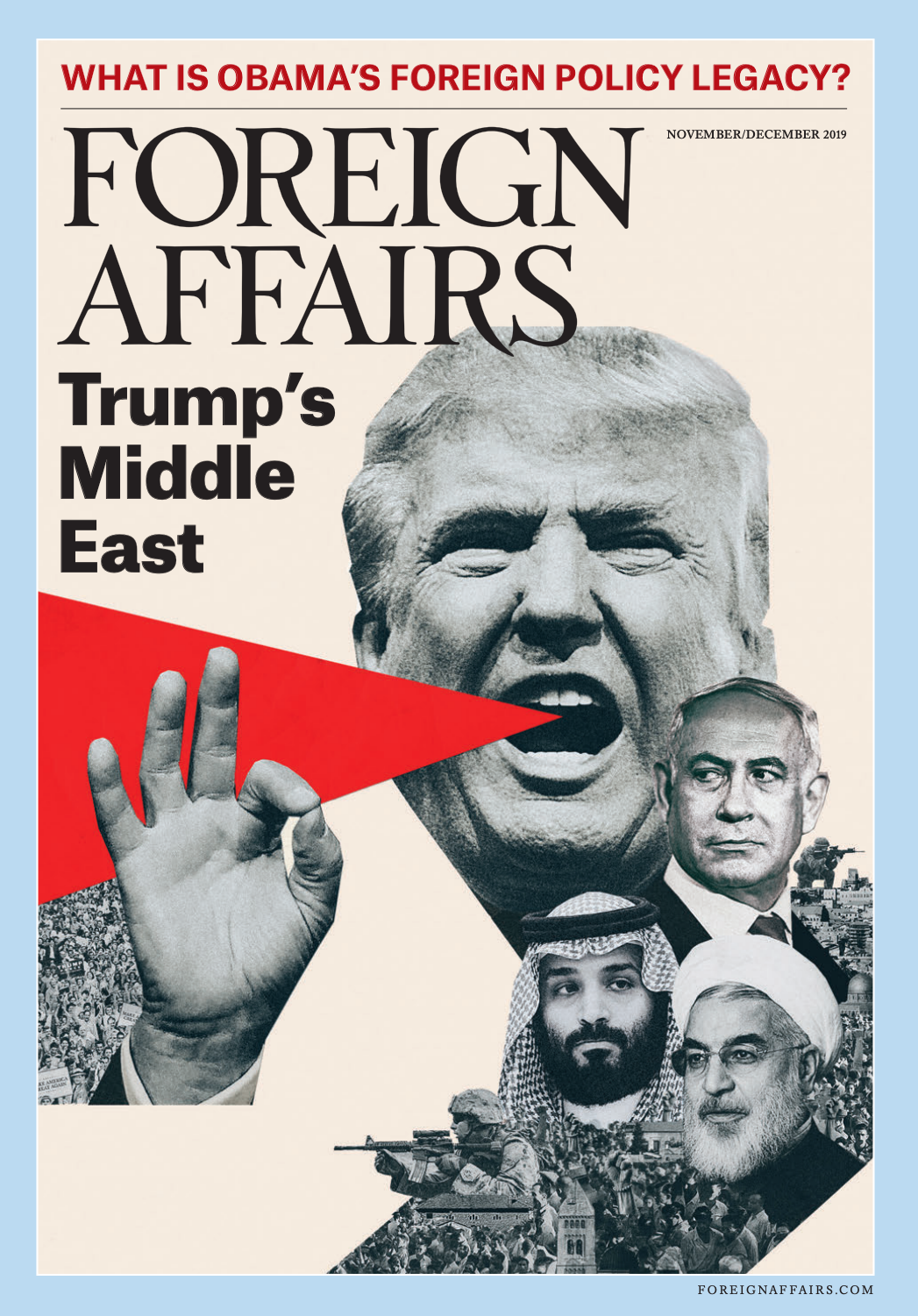
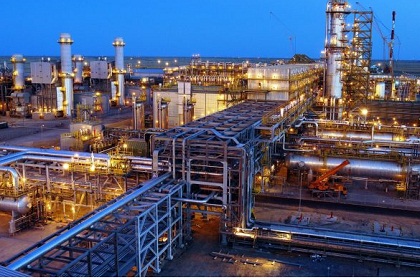
Countries in the Middle East, such as Iran, Israel or Saudi Arabia, do not want a military confrontation. Yet, current circumstances conduce to the breaking out of just such a war
 Courtesy: ibctrain.com
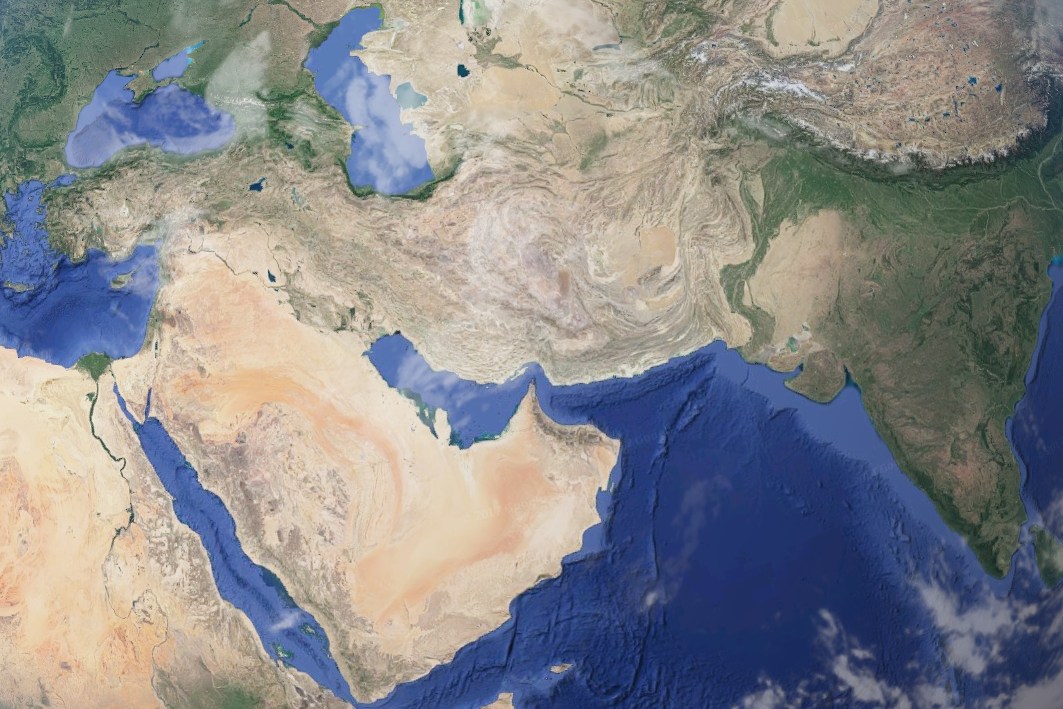
The main objective of the Shanghai Cooperation Organisation’s (SCO) Energy Club, when Russia formed it, was to market its member states’ substantial oil and natural gas reserves. This map shows some of the important natural gas pipelines, originating from Russia and its neighbouring countries that are not members of the SCO. What can India do to secure supplies from these abundant but currently inaccessible natural gas reserves?
 Courtesy: Sputnik News
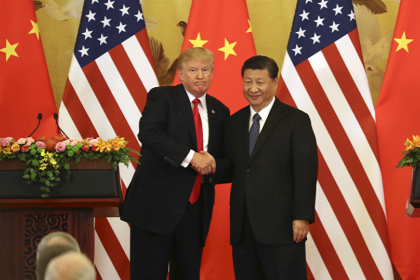
Speakers at the seventh Atlantic Dialogues, held in Morocco earlier this month, discussed what the challenge to western dominance and China’s expansionism meant for their political and economic future
 Courtesy: to put
A conference in Doha on ‘Enriching the Middle East’s Economic Future’ offered many insights into the nature of geopolitical relations in the region and India’s significant role in it
 Courtesy:
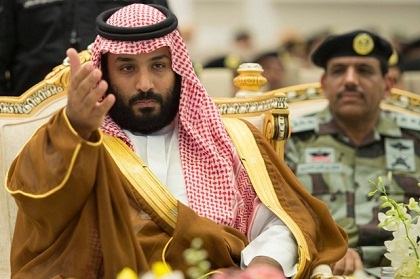
The removal of 11 top ministers in the Riyadh government last week by the young crown prince Mohammad bin Salman, is a geopolitical upheaval, the implications are serious. Domestically, the kingdom is seeking to liberalise its conservative society and move away from oil-dependency – evident from the expected listing of its crown jewel Aramco. For India, which imports oil largely from West Asia, instability could cause a spike in prices, leaving less for its ambitious reforms. Globally, there is now space for new alignments – in the Great Power plays, in the Shia-Sunni rivalry, and in the war on terrorism.
 Courtesy: Western Naval Command
China has expanded its presence in the Indian Ocean Region. President Xi Jinping has abandoned Deng Xiaoping’s conciliatory posture for an aggressive, money-fuelled search for super power status
 Courtesy: Wikipedia
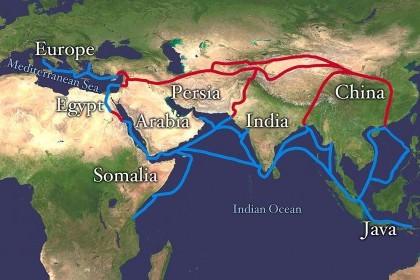
Experts at a recent conference on China’s Belt and Road Initiative, hosted in Istanbul, spoke of its many advantages to the region, but also on the challenges involved in attracting financing