China in IOR: ‘peaceful rise’ no more
China has expanded its presence in the Indian Ocean Region. President Xi Jinping has abandoned Deng Xiaoping’s conciliatory posture for an aggressive, money-fuelled search for super power status

 Courtesy: Western Naval Command
China has expanded its presence in the Indian Ocean Region. President Xi Jinping has abandoned Deng Xiaoping’s conciliatory posture for an aggressive, money-fuelled search for super power status
 Courtesy: Gateway House
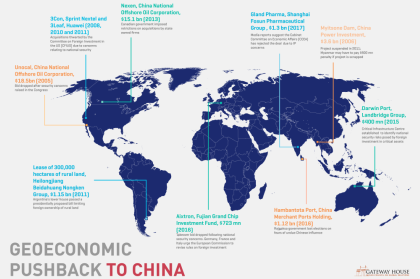
The Indian government may block the acquisition of Gland Pharma by Shanghai Fosun Pharmaceuticals, a move that offers further confirmation of how China’s opaque business model is causing concern worldwide. This infographic shows some high-profile cases of acquisitions by Chinese companies that ran into local opposition
 Courtesy: Gateway House
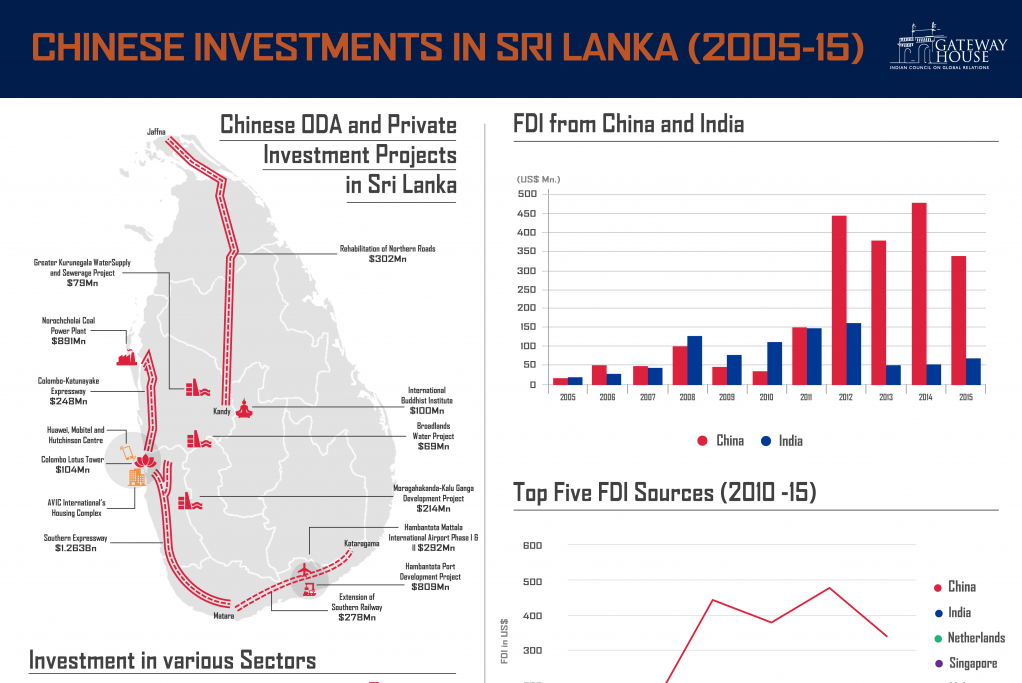
China is the largest investor in Sri Lanka today, with funding and investment of nearly $15 billion. Gateway House tracks the Chinese money trail to Sri Lanka-- where it lands, where it stays--and assesses its depth. This is the second in the Gateway House Series on Chinese investments in South Asia.
 Courtesy: Gateway House
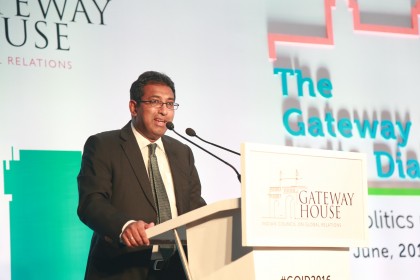
Sri Lanka’s deputy foreign minister Harsha de Silva delivered the opening address at the first Gateway of India Dialogue in Mumbai in June 2016. In his speech he underlined the need for building a bilateral of “irreversible excellence” between India and Sri Lanka based on shared geography, history and culture.
 Courtesy:
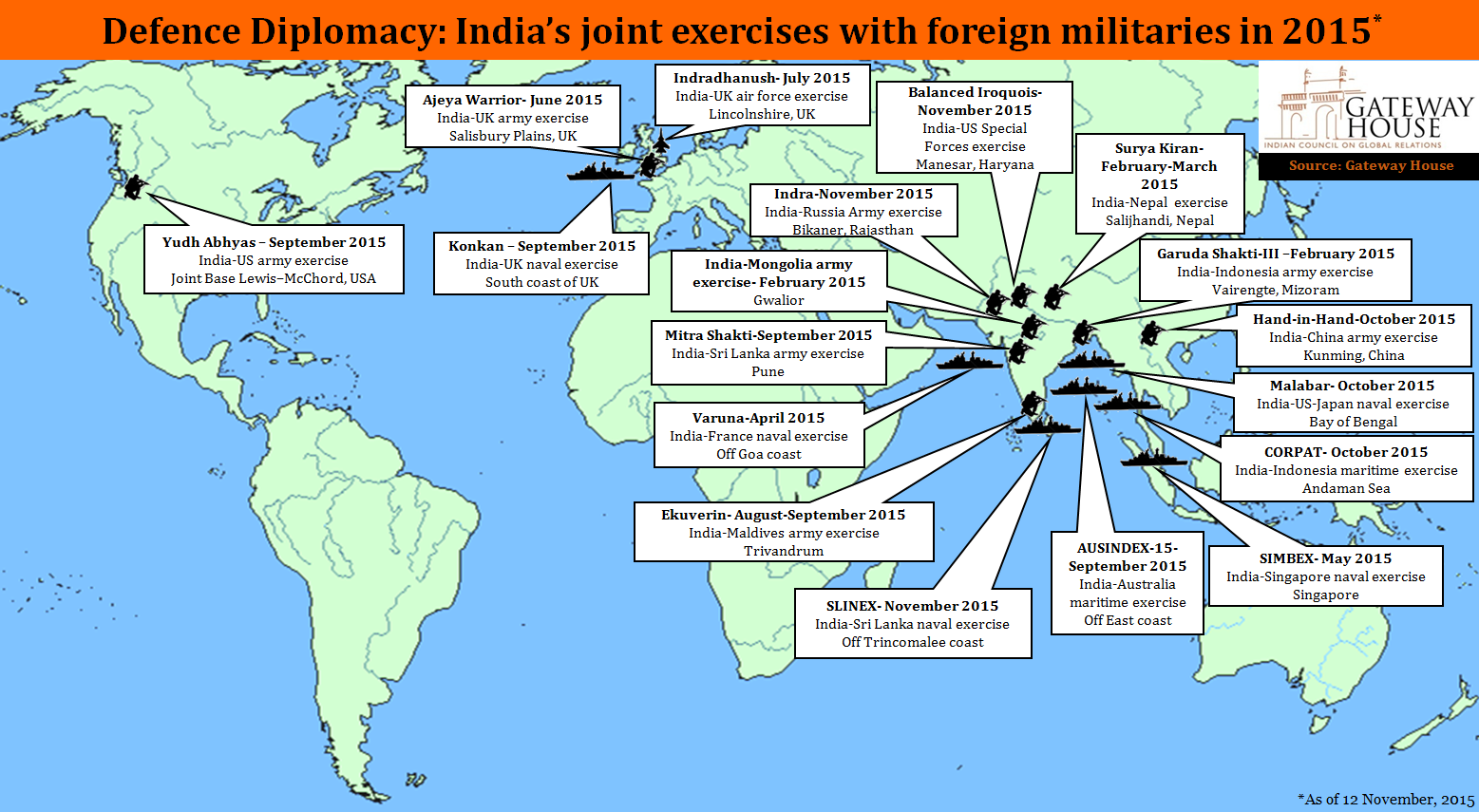
This year, India's defence diplomacy has ramped up. In 2015 alone there have been 18 military exercises- naval, army and air force- with 13 countries, among the largest engagements the country has had. Most significant is Japan joining the Malabar exercises in the Bay of Bengal and the first-ever maritime exercise with Australia. This is increasing India's presence from the Arabian Sea to the Bay of Bengal. As these exercises intensify India will be better positioned to handle regional security challenges.
 Courtesy: gatewayhouse.in
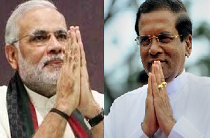
India has welcomed President Sirisena’s recent electoral victory largely because he is willing to check China’s rise in Sri Lanka. His visit to India next week is an opportunity for New Delhi to overcome its difficult relationship with former president Rajapaksa and offer its unconditional partnership to Colombo
 Courtesy: flickr.com/presidentrajapaksa
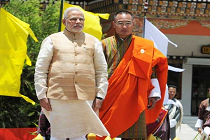
India has tried to address the concerns of Sri Lankan Tamils through projects such as the recently-inaugurated railway between Jaffna and Colombo. But their aspirations for autonomy in the North and East remain unfulfilled, and New Delhi faces a dilemma—pushing Colombo on political issues can drive it closer to Beijing
 Courtesy: MEA/Government of India
The Narendra Modi government’s first budget comes at a time when the prime minister has been substantially responsive to the world that has reached out to him. It is apparent that the new government will combine politico-strategic concerns with economic advantage
With India backing the United Nations resolution against Sri Lanka, New Delhi-Colombo relations appear to be in a tense phase. Gateway House interviews Prasad Kariyawasam, the High Commissioner of Sri Lanka to India, to discuss the implications of the UNHRC vote and the future of India-Sri Lanka relations.
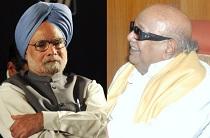 Courtesy: WikimediaCommons
New Delhi has taken some opportunistic actions, such as its vote against Sri Lanka in the UN Human Rights Council, to pacify internal political demands. But these extract a price in the international arena. Should we anticipate a further decline in India’s regional and international credibility?