How Iranians see Trump’s hit to the Iran Deal
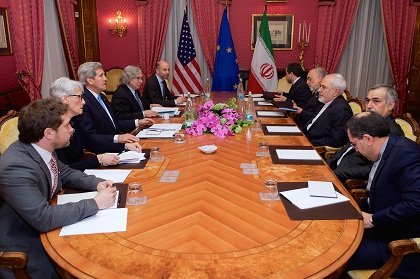
Scrapping the JCPOA will badly bruise Iran’s economy, citizens and foreign relations; it will have an impact on the U.S.’ allies too

 Courtesy: U.S. Department of State/ Flickr
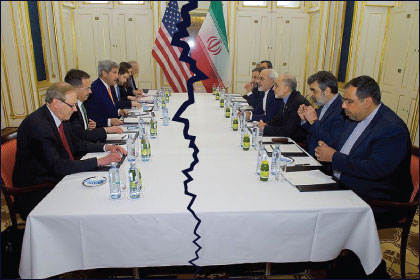
Scrapping the JCPOA will badly bruise Iran’s economy, citizens and foreign relations; it will have an impact on the U.S.’ allies too
 Courtesy: Gateway House
India may end up being the unintended victim of renewed U.S. sanctions on Iran. It will push up the price of oil and cost India billions of dollars annually
 Courtesy: Euro News
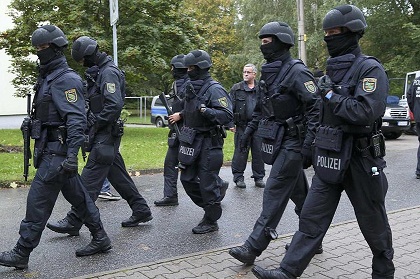
The German civil security industry is in the throes of change: it was once an avenue of employment for the less educated or the jobless. Today, companies are increasingly selling comprehensive security solutions. India will gain by being prepared for such trends and technological innovations
 Courtesy: IB Times
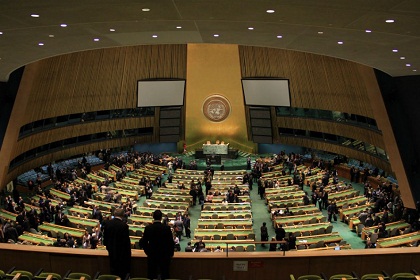
The era of globalisation is drawing to a close and a new one is emerging—an era of bilateralism over globalisation, of domestic over foreign focus, and reality-based policy-making
 Courtesy: MEA / Flickr
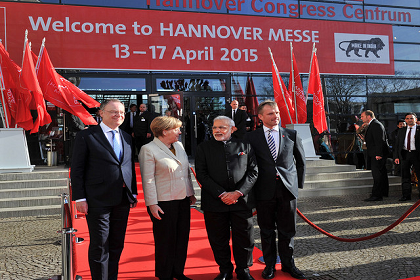
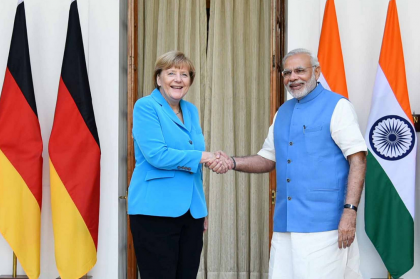
German Chancellor Merkel’s recent visit to India with a high-powered entourage showed the weight attached to this bilateral relationship. German companies want to gain more access to the Indian market and be part of Prime Minister Modi’s high-tech initiatives—and it is up to India to surmount political hurdles and tap into this potential.
 Courtesy: Wikipedia
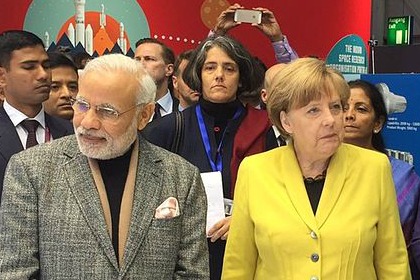
It has been ten months since India and Germany signed an agreement to partner in developing three smart cities. The government now seriously needs to move beyond slogans and aspirations and start addressing the more pressing issues specific to smart city development. Then only will the Modi-Merkel diplomacy be viewed as a success at home.
 Courtesy: Jürgen / Flickr
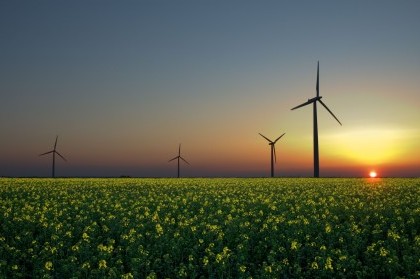
In Germany in June 2015, G7 countries made major commitments towards decarbonisation and reduction in greenhouse gases, which will lead to binding decisions at the COP-21 conference in Paris in December. Germany pushed for these outcomes, and as one of the most energy efficient countries in the world its technology and expertise can help India’s targets of alternative energy and sustainable industry.
Germany is a crucial partner for India, especially for the Make in India programme. The needs and strengths of both countries are complementary: in India, German companies are among the largest employers, and Germany is the second largest destination for Indian investment in Europe. India needs to develop and enhance the skill of its population, and develop an advanced manufacturing base. For this, a new level of collaboration is required.
 Courtesy: WikimediaCommons
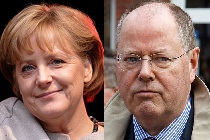
German foreign policy can be described as one anchored in the European and NATO alliance while being the economic centre of Europe. Yet, any government that comes in after the September 22 elections will be challenged by rapid developments in West Asia and elsewhere in a politically and economically turbulent world
The deterioration of growth prospects is at the core of the financial crisis in Europe. Can Europe successfully form a banking and monetary union? Gateway House interviews Nicolas Véron, a French economist, to discuss the repercussions of the financial crisis in Europe and the potential for Indo-EU cooperation.