twitterCPR Courtesy: Juggernaut
20 July 2022

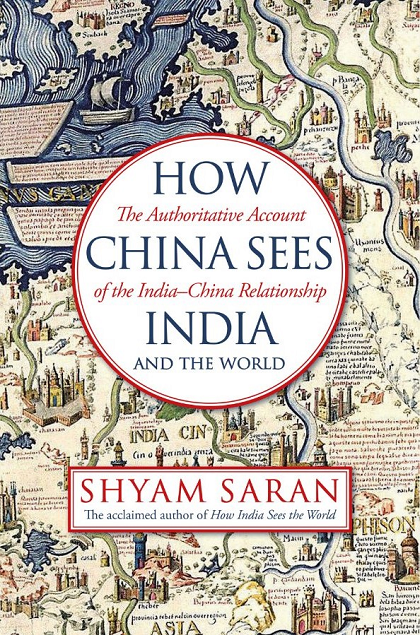
How China Sees India and the World

In his new book, former Foreign Secretary Shyam Saran demystifies China's imagined belief of itself as the Middle Kingdom. Contemporary China's propensity to cut and paste history has resulted in China's resentment of India based on a limited understanding of Indian history and of China's past recognition of India as an advanced civilisation which impacted Chinese culture. Today the West recognises India's potential to match China, with depth and skills, over the long term.

SAOb2 Courtesy: telegraphindia.com
14 July 2022

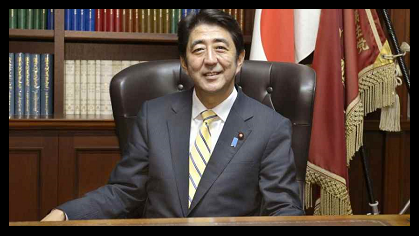
Shinzo Abe: friend, partner, strategist

Former Japanese Prime Minister Shinzo Abe’s legacy is marked by statesmanship and foresight, enabling him to reform the security and economic architecture of Asia, Japan and India. His historic 2007 speech in the Indian Parliament gave shape to the idea of the Indo-Pacific, and the Quad. Abe had faith in India, recognising the opportunities India and Japan offered each other.

G7GS Courtesy: telegraphindia.com
13 July 2022

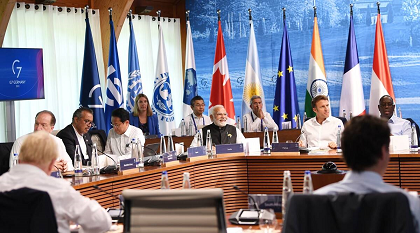
The G7 woos the global south

The G7 has reached out to emerging economies which have, of late, been facing challenges on the economic front, brought on by the lingering pandemic and the mismanagement of the Ukraine crisis. They are also seeking, from the global south, a broader acceptance of their world view. Will it be forthcoming?

1984F5F8-939B-4A8C-9F74-2C80D3D60F66 Courtesy: TIME Magazine
30 May 2022

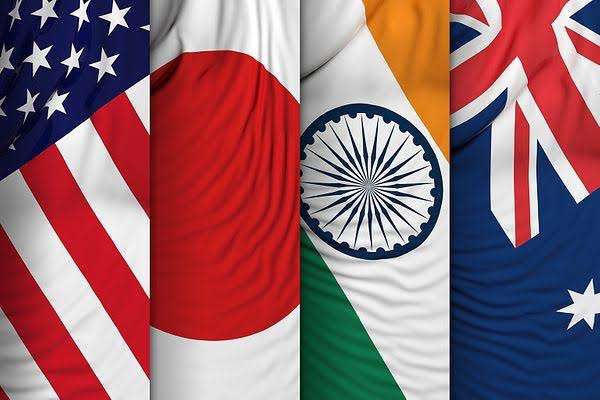
The Quad deepens strategic commitment

After its fourth summit on May 24, the Quad has emerged stronger and clearer in its initiatives which are aimed at addressing the Indo-Pacific’s geopolitical challenges. India now has a chance to work with like-minded democracies on an equal footing, with much to contribute. The Quad’s strategy for the Indo-Pacific is to deepen internalised cooperation for continued peace, prosperity, and stability.

blue_economy Courtesy: Hossain Tareque-wikimedia commons
5 May 2022

A blue economy requires blue diplomacy

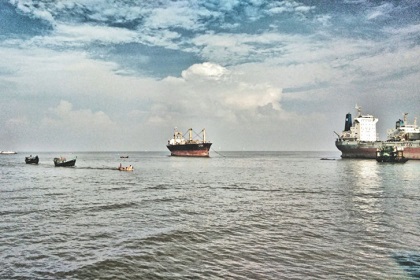
India has done considerable groundwork to turn into a blue economy nation through its maritime policies and active support of the Indian Ocean Rim Association. The time is right for the country to now focus on blue diplomacy, with an emphasis on maritime security and sustainable, equitable harnessing of maritime resources.

Beautiful,National,State,Flags,Of,Myanmar,And,India,Together,At Courtesy: Shutterstock
23 December 2021

India’s delicate mission in Myanmar

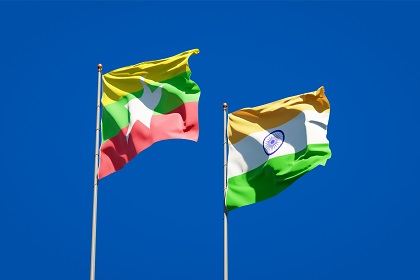
Foreign Secretary Harsh Vardhan Shringla is on a crucial visit to Nyapitaw, meeting with the military government and opposition for the first time since the military coup this year. This is part of New Delhi's diplomatic agenda for Myanmar, which includes border management and striking a balance between strengthening democracy and supporting the military, amid dynamic regional geopolitics.

Sanctions,-,Just,Ahead Courtesy: Shutterstock
5 August 2021

Are counter-sanctions effective against sanctions?

Sanctions are an important foreign policy tool, used especially by the West against its adversaries. Now, these rivals are retaliating with counter-sanctions. Are these effective? How does this impact global politics? Where does India stand in this free-for-all sanctions era?

2019-06-14T000000Z_1951021920_RC-2 Courtesy: SCO, Russia (2020)
22 July 2021

China’s quad?

A potential anti-Quad formation of China, Russia, Iran and Pakistan is in the making, and can pose risks to the Quadrilateral Security Dialogue. However, a close analysis of China's bilateral relationship with each country shows that this is a flawed grouping, formed on limited common interests and rivalries.

Countering China's Maritime Greyzone activities Courtesy:
22 July 2021

Countering China’s Maritime Grey Zone Activities

On 15 July, Gateway House co-hosted a webcast with Konrad-Adenauer-Stiftung (KAS) on 'Countering China’s Maritime Grey Zone Activities'. The panel discussed the potential strategies that smaller nations in the region can adopt to overcome the challenges of Chinese maritime grey zone activities, and the role of regional maritime powers in capability-building of maritime law enforcement agencies.