VOA Courtesy: VOA
2 October 2025

Time to re-burnish Global South credentials

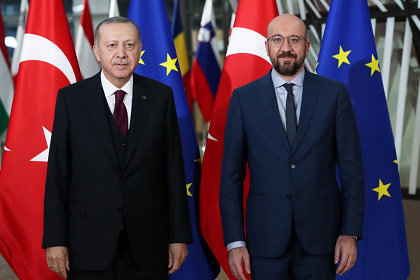
The year 2025 is often compared to the Bandung moment of 1955, and for good reason. With the U.S. reordering traditional relationships, the opportunity for greater emphasis on the Global South is now. It is therefore time for India, Africa and ASEAN among others to re-burnish their Global South credentials and use that identity as a platform to engage each other more deeply.

DD news Courtesy: DD News
18 August 2025

Alaska, the Summit of Summits

There was much at stake for the U.S.-Russia summit at Alaska – more than just the future of Ukraine. It will put the world back on economic track, and ease East-West relations, under stress for an on-going tariff war. For now, diplomacy has played a successful hand.

AFP Courtesy: AFP
14 August 2025

India-U.S. trade: geopolitics or geoeconomics?

India-U.S. trade negotiations have faltered. India stepped outside its comfort zone to offer zero tariffs on industrial goods that form 40% of U.S. exports to India, but the additional 25% tariffs have rendered most Indian exports noncompetitive. Only a carefully balanced, incremental negotiating framework blending economic pragmatism with protection of core domestic interests backed by political will, stands a realistic chance of bridging the current impasse.

QUAD (1) Courtesy: Times Now
13 June 2025

India-U.S. Trade Agreement nearing reality

India and the U.S. are now on the verge of establishing a comprehensive trade agreement, overcoming a long history of bilateral trade challenges. This is a pivotal moment that could lead to mutual benefits and a deeper partnership. It will also illumine the path for other modern trade agreements that India is currently negotiating with multiple countries.

Website articles  (19) Courtesy: Reuters
22 May 2025

India-UK FTA: Four benefits for India

The India-UK Free Trade Agreement comes amidst increasing economic uncertainty caused by the Trump administration’s reciprocal tariff policies. The FTA has revitalised previously lethargic discussions for India to conclude FTAs between like-minded countries. An India-EU FTA, along with the India-UK FTA, may reform global rule-making on international trade and perhaps even revive the WTO.

india-uk-istock-1152442-1665421302 Courtesy: Deccan Herald
2 March 2023

UK-India FTA Negotiations: Contentious Issues, Potential Solutions

The eighth round of talks for the proposed India-UK free trade agreement is scheduled in New Delhi in March 2023. Both countries stand to make significant gains from a comprehensive agreement covering tariffs, sustainable growth, SMEs, data flows, and intellectual property. This article reviews motives for the India-UK agreement, the economic gains, contentious negotiation issues and win-win solutions.

EuropeProtests-01[85] copy Courtesy: Gateway House
17 November 2022

Protests across Europe

Discontent over high energy prices, spiralling living costs, and anti war sentiments have gripped Europe, resulting in protests and civil unrest across the continent. With no immediate solution in sight, public resentment is likely to intensify through the coming winter months

Eu Gas Pipeline Courtesy: Reuters
11 August 2022

Turkey: Europe’s new gas hub?

The Ukraine crisis has sent the EU scrambling for new gas supplies, generating fresh interest in gas pipelines from Central Asia and West Asia via Turkey. Practical difficulties make most of these new projects unviable.

G7GS Courtesy: telegraphindia.com
13 July 2022

The G7 woos the global south

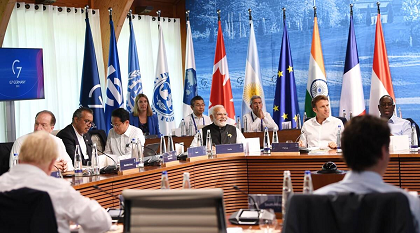
The G7 has reached out to emerging economies which have, of late, been facing challenges on the economic front, brought on by the lingering pandemic and the mismanagement of the Ukraine crisis. They are also seeking, from the global south, a broader acceptance of their world view. Will it be forthcoming?

Rwanda_refugees_pic._1 Courtesy: TIME Magazine
13 June 2022

The trouble with Europe outsourcing asylum

The attempts of responsibility-transfer of asylum-processing and refugee-protection by the UK and Denmark to Rwanda, reflect a fundamental shift from the conventional principle of territorial asylum and set an undesirable precedent. Deporting the vulnerable to countries with perpetual internal socio-political and economic issues and inadequate asylum infrastructure, will gravely compromise their safety, welfare, human rights and benefit claims as refugees.