China in IOR: ‘peaceful rise’ no more
China has expanded its presence in the Indian Ocean Region. President Xi Jinping has abandoned Deng Xiaoping’s conciliatory posture for an aggressive, money-fuelled search for super power status

 Courtesy: Western Naval Command
China has expanded its presence in the Indian Ocean Region. President Xi Jinping has abandoned Deng Xiaoping’s conciliatory posture for an aggressive, money-fuelled search for super power status
 Courtesy: Gateway House
India’s global economic engagement, especially with the developing world, has increased in the last two decades, but trade with South Asia has remained low. It holds the potential for building greater productivity and more inclusive growth in India and the region
 Courtesy: Wikipedia
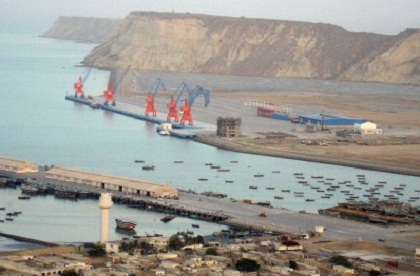
Is China actively building up its maritime presence in the Arabian Sea, to dominate vital sea lanes and perhaps encircle India with a chain of naval bases? There can be little doubt that China views Gwadar as a potentially useful asset. China, however, will know better than anyone that Gwadar has two considerable limitations.
 Courtesy: MEA / Flickr
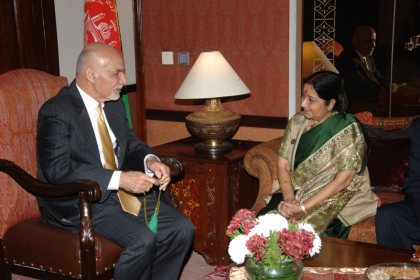
If India enters the Afghanistan-Pakistan Trade and Transit Agreement, as external affairs minister Sushma Swaraj said at conference in Islamabad in December, it will boost regional trade and connectivity—both priorities of the Modi government. But Pakistan stridently opposes India’s entry into the agreement. What are the alternatives?
 Courtesy:
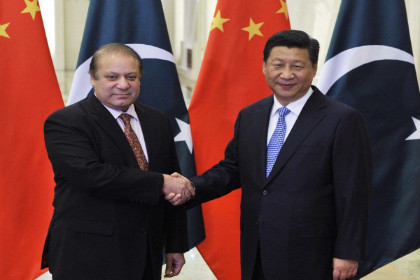
While China will seek India’s cooperation on its ambitious ‘One Belt, One Road’ project during Prime Minister Modi’s visit this week, Indian policy makers must soon articulate a definite stand on this transnational corridor by bridging the country’s security concerns and the benefits of such an engagement with China.
Gateway House speaks to Ujal Bhatia, Member, Appellate Body, World Trade Organisation, on the importance of economic diplomacy; India’s assertiveness during trade negotiations; the role of Indian business in the negotiation processes; the relevance of SAFTA; and on ways to boost intra-SAARC trade.
 Courtesy: Gateway House
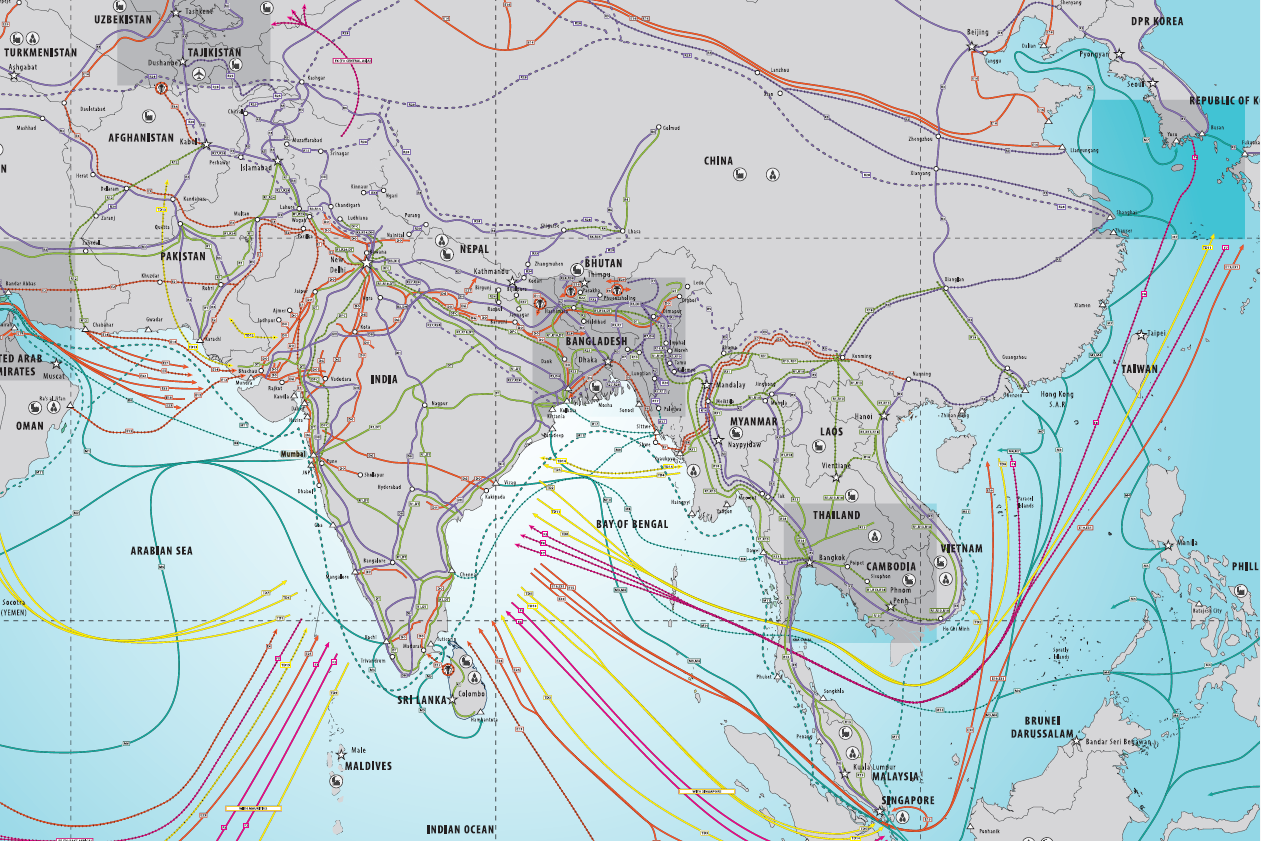
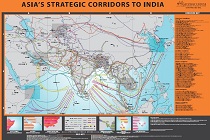
The map – Asia’s Strategic Corridors to India – has emerged from Gateway House’s study of India’s strategic links with other parts of Asia. It highlights the progress India has made in forging multiple links with six strategic regions – Central Asia, West Asia, East Africa, South-East Asia, East Asia, and our immediate neighbourhood
 Courtesy: PMO
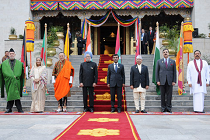
Creating a neighbourhood of compatible interests in South Asia isn’t easy, especially when intra-regional trade accounts for only 5% of total trade in the region. However, the region has seen considerable progress in the past year. India is well poised to lead the change, starting with the upcoming SAARC summit.
 Courtesy:
A decade after 9/11, the U.S. has prevented further terrorist attacks - a major achievement. But with a $1.3 trillion budget deficit, a debt downgrade, and 24 million Americans searching for jobs, the U.S. needs to attend to matters at home rather than intervening in the world's affairs.
 Courtesy: DMylesCullen
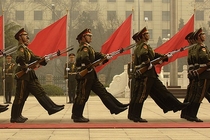
No longer can New Delhi afford to live in denial about the rising influence of the Chinese juggernaut