ASEAN-India Connectivity
The following remarks were given by Ambassador Rajiv Bhatia, Distinguished Fellow, Foreign Policy Studies, Gateway House as a speaker at the ASEAN-India Business Summit on November 27, 2018.

 Courtesy: MEA/Flickr
The following remarks were given by Ambassador Rajiv Bhatia, Distinguished Fellow, Foreign Policy Studies, Gateway House as a speaker at the ASEAN-India Business Summit on November 27, 2018.
 Courtesy:
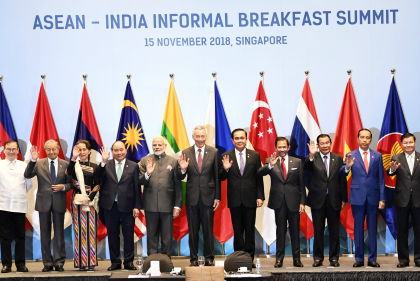
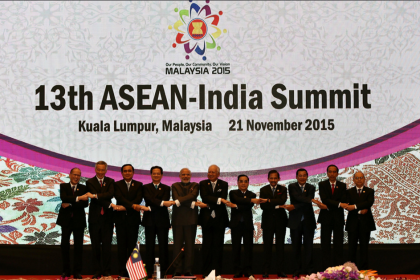
In two years, the Modi government’s Act East Policy has gone well beyond the focus on economic ties of its predecessor, the Look East Policy. It has made progress on many wider fronts, including connectivity and defence collaboration. India must now build on this success and further consolidate relations and trade links with ASEAN and beyond
 Courtesy: ustr.gov
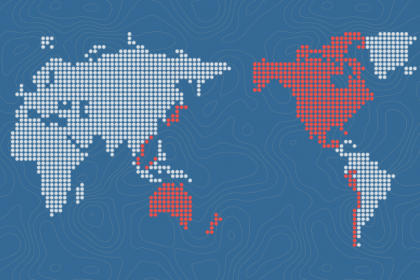
The U.S.-driven Trans Pacific Partnership agreement between 12 countries, which is aiming to become the new standard of world trade, impacts domestic systems globally. For India, it will skew investment and intellectual property rights, and especially the debate over the Investor State Dispute System which allows companies to challenge sovereign rights and public policy.
 Courtesy: Wikipedia
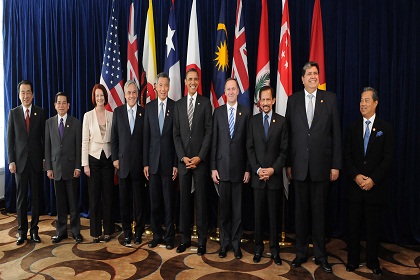
The Trans-Pacific Partnership might soon be concluded if the U.S. Congress fast-tracks it, as recently announced, while the Regional Comprehensive Economic Partnership Agreement remains on slow-track. But the TPP, although ambitious, follows an outdated template, and it is the dynamic RCEP that can be a model for a new global rules-based framework
 Courtesy: Prime Minister's Office
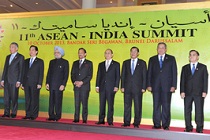
The India-ASEAN Free Trade Agreement in services and trade will allow India to leverage its competitive offerings in IT, finance, among other fields. But the pact has proved elusive so far due to the open squabbling between ministries. The deal now looks set to come through only after the new government takes over
 Courtesy: Systemman, Erin A. Kirk-Cuomo/Wikimedia Commons
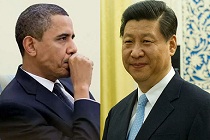
The U.S. government shutdown and President Obama’s absence gave China immense diplomatic and political space at the APEC and East Asia Summit meetings. China’s declaration of a “de-Americanised” world may be premature but the crumbling old order is doing little to dispel this notion
 Courtesy: MEAIndia/Flickr
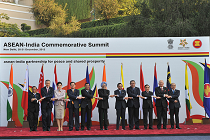
The steps taken by the Indian government to enable private sector involvement in ASEAN have been hesitant. After the recent ASEAN summit in New Delhi, it is time for greater coordination of Indian private industry with government-to-government interaction, which will benefit all members, including India.
 Courtesy: Manipur Police/WikimediaCommons
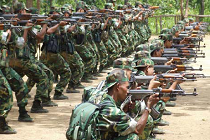
What have economic blockades in India's North East achieved? For one, they choked off the supply chain of an already isolated region. With Myanmar showing signs of warming towards India, New Delhi must establish ties with its eastern neighbour, but first, it needs to fix Manipur’s broken socio-political landscape.

Amidst myriad country groupings that already exist – BRICS, IBSA, APEC, SCO and many others – a new initiative in the Pacific is looking to integrate more powerful countries to form a multilateral free trade agreement – the Trans Pacific Partnership. How important is this towards the reshaping of trade and power?
 Courtesy: Gateway House
This paper examines the political & economic landscape of North East India and explains how diplomacy, policing and development brought peace to Assam and the North-East