Energy-bereft world in darkness
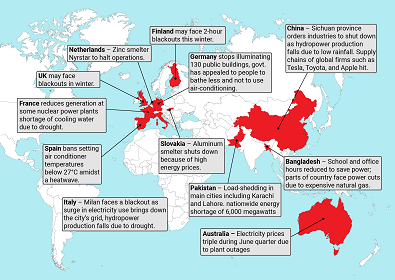
Sanctions against Russian energy, high cost fuel, heat waves and droughts all at once have raised the price of daily energy use to unprecedented levels and plunged large parts of the world into darkness.
Courtesy: Getty Images
Sanctions against Russian energy, high cost fuel, heat waves and droughts all at once have raised the price of daily energy use to unprecedented levels and plunged large parts of the world into darkness.
Courtesy: Gateway House
Low global commodity prices, strong FDI inflows, and sustained growth have boosted the Indian economy in the preceding decade. This favourable economic climate, however, was disrupted by the pandemic and the crisis in Ukraine, exposing vulnerabilities in the global economic system. This paper focuses on India’s economic security challenges, particularly in six sectors - Food, Energy, Finance, Data, Space & Undersea Cables and Critical Minerals - and suggests possible courses of action.
Courtesy: Economic Times
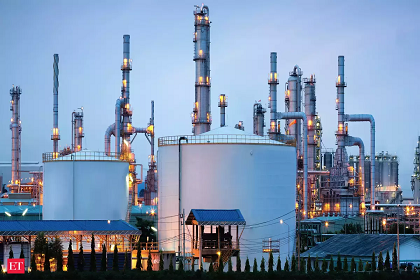
The warning signs were visible long before the Ukraine conflict. Years of insufficient investment into oil and gas production resulted in high price, and shortages. With investors keeping away from traditional fuels, the conflict in Ukraine precipitated the inevitable. Energy-dependent India must now insulate its supply chains.
Courtesy: ibctrain.com
The main objective of the Shanghai Cooperation Organisation’s (SCO) Energy Club, when Russia formed it, was to market its member states’ substantial oil and natural gas reserves. This map shows some of the important natural gas pipelines, originating from Russia and its neighbouring countries that are not members of the SCO. What can India do to secure supplies from these abundant but currently inaccessible natural gas reserves?
Courtesy: thenews.com.pk
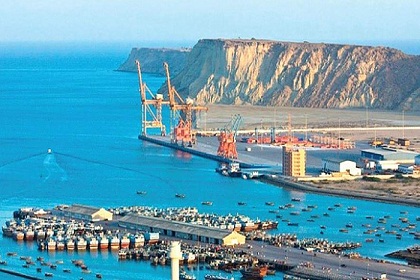
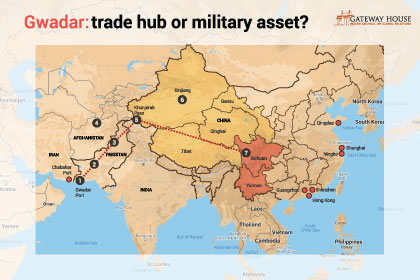
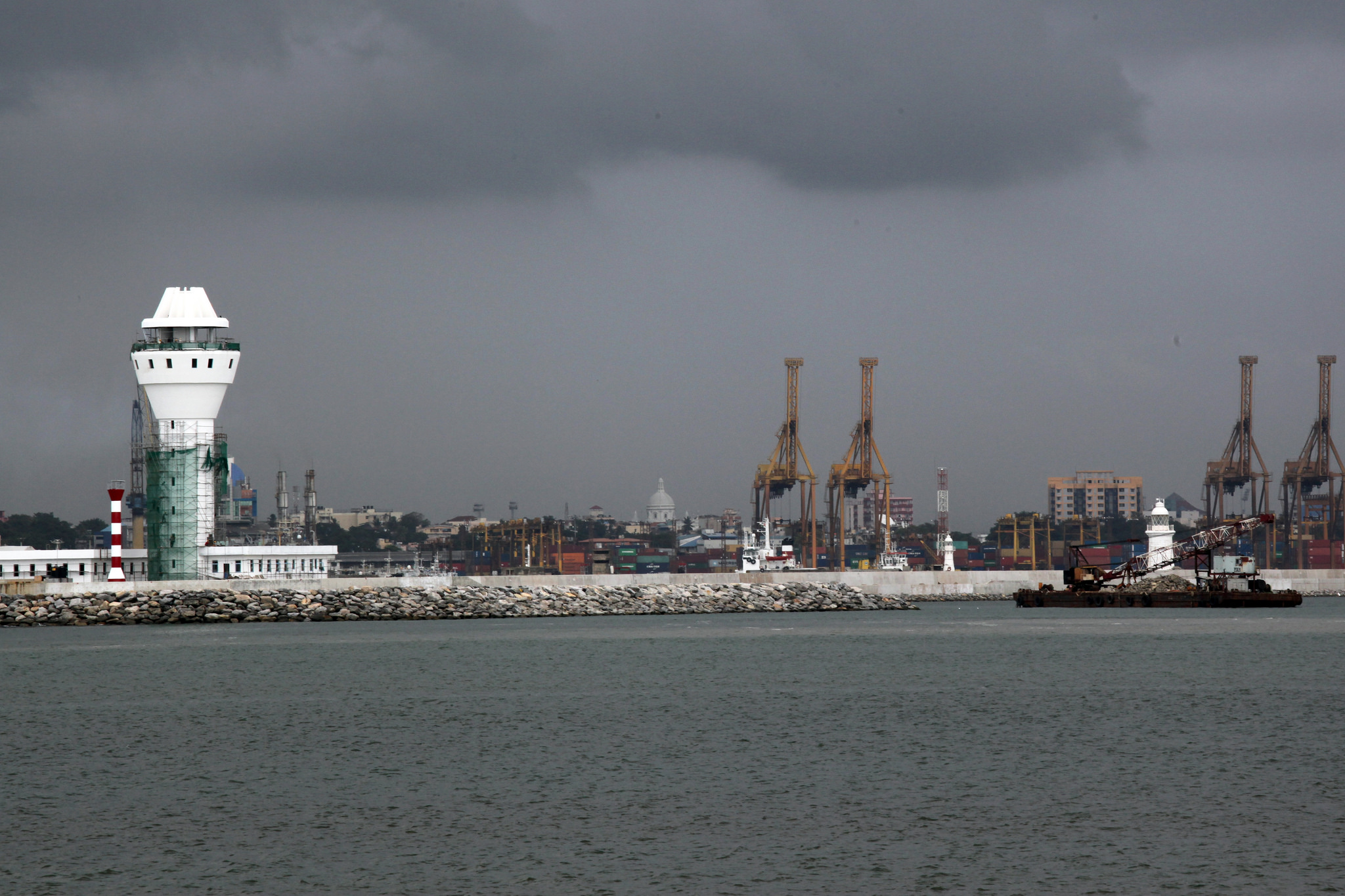
Pakistan’s aspirations for oil and gas prospecting off its Makran coast, south-western Balochistan, are diverging from those of China, which has had a nearly two-decade long presence in Gwadar as an infrastructure provider. To turn Gwadar into the petrochemical hub it desires, Pakistan has sought out other benefactors, changing geopolitical equations in the region
Courtesy: Gateway House
China’s ostensible intentions are to turn Gwadar port into a focal point of the China Pakistan Economic Corridor. But the geography of the region is a major stumbling block in the realisation of these ambitions and raises questions about the project’s underlying motives
Courtesy: East Asia Forum
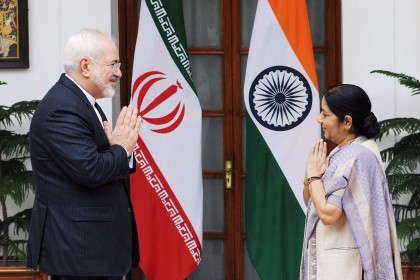
The nuclear deal with Iran benefits India and Pakistan in terms of energy security and connectivity. But both countries also face challenges in their prospective engagement with Tehran, and both will have to tread carefully while using the new opportunities.
Courtesy: Wikimedia Commons
The World Bank report highlighting the need for far-reaching reforms in the power sector underlines the necessity for the centre and state governments to arrive at a political consensus. The model of cooperative federalism advocated by Prime Minister Modi has the potential to transform the electricity scenario
Courtesy: Michael Trolove/WikimediaCommons
Growing instability in the region make the planned Turkmenistan-Afghanistan-Pakistan-India (TAPI) gas pipeline seem more like a burden than a solution to India’s hunt for alternative energy sources. Is it wise for India to move ahead with the $7.6 billion project?
Courtesy:
The completion of the Turkmenistan-Afghanistan-Pakistan-India (TAPI) pipeline is significant to secure a constant supply of natural gas to India. Since this pipeline passes through Afghanistan and Pakistan, both restive regions, security concerns have triggered wide debate on its viability.