Energy-bereft world in darkness
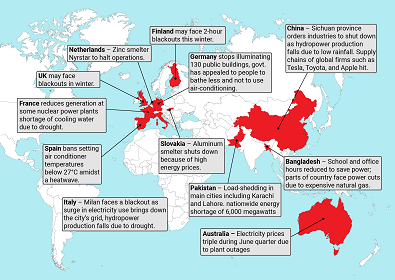
Sanctions against Russian energy, high cost fuel, heat waves and droughts all at once have raised the price of daily energy use to unprecedented levels and plunged large parts of the world into darkness.

 Courtesy: Getty Images
Sanctions against Russian energy, high cost fuel, heat waves and droughts all at once have raised the price of daily energy use to unprecedented levels and plunged large parts of the world into darkness.
 Courtesy: Gateway House
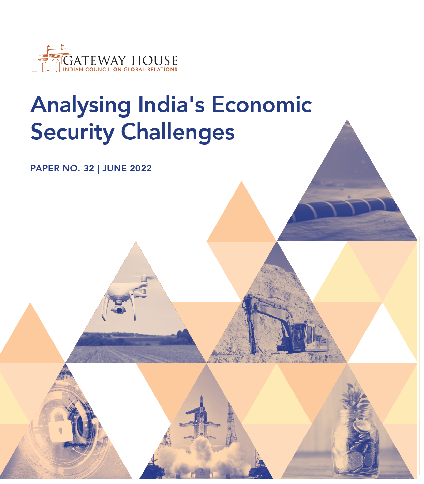
Low global commodity prices, strong FDI inflows, and sustained growth have boosted the Indian economy in the preceding decade. This favourable economic climate, however, was disrupted by the pandemic and the crisis in Ukraine, exposing vulnerabilities in the global economic system. This paper focuses on India’s economic security challenges, particularly in six sectors - Food, Energy, Finance, Data, Space & Undersea Cables and Critical Minerals - and suggests possible courses of action.
 Courtesy: @BIMSTECInDhaka
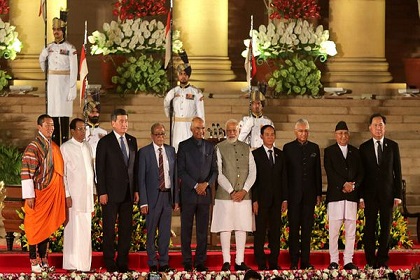
June 6, 2022, marks 25 years since India, Bangladesh, Sri Lanka, Bhutan, Nepal, Myanmar and Thailand joined hands to create BIMSTEC and infuse South Asia with economic and institutional cooperation. The strategic geography of this grouping has the potential to bring new synergy between South Asia and the recently-instituted Indo Pacific Economic Framework, ASEAN and the Quad, for a prosperous, secure Bay of Bengal Community.
 Courtesy: Economic Times
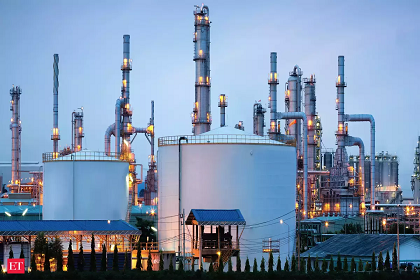
The warning signs were visible long before the Ukraine conflict. Years of insufficient investment into oil and gas production resulted in high price, and shortages. With investors keeping away from traditional fuels, the conflict in Ukraine precipitated the inevitable. Energy-dependent India must now insulate its supply chains.
 Courtesy: @BimstecInDhaka
The rejuvenated BIMSTEC, with a new charter in hand, is now expanding its ambition and mission. One such area is climate change, which needs greater attention as it will have implications for the Bay of Bengal and beyond. With their unique climate conditions and action plans can together create a model for regional cooperation.
 Courtesy: Ministry of External Affairs, Government of India
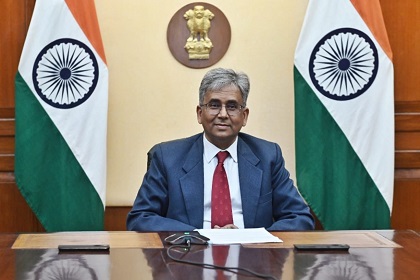
Saurabh Kumar, Secretary (East), Ministry of External Affairs, Government of India, delivered the keynote address at the panel discussion on India in the Indo-Pacific: Pursuing Prosperity and Security, organised by Gateway House and the U.S. Embassy, New Delhi, on 1 February 2022. He outlined India's vision for a free and inclusive Indo-Pacific, and the initiatives undertaken to further cooperation among nations in the region.
Yuan Peng, Vice President, and Dr. HU Shisheng, director, respectively of the Institute of South & Southeast Asian and Oceanian Studies, China Institute of Contemporary International Relations, Beijing, spoke to Gateway House about working towards ‘the final goal of denuclearisation’, India-China relations since the Doklam stand-off and addressing security concerns raised by the Belt and Road Initiative
 Courtesy: Gateway House
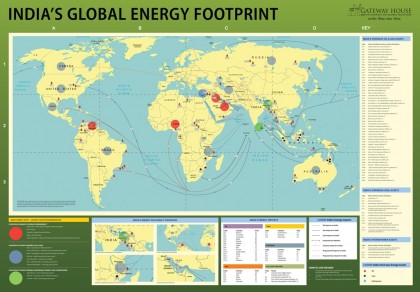
Trends in technology, geopolitics and geoeconomics have dramatically transformed the global energy scenario in the last two years. This means favourable conditions for import-dependent India, which must use the opportunities available to reduce its vulnerability to high energy prices. The jump in oil prices past the $60 mark suggests that India must act with alacrity. India’s Energy Footprint Map offers a profile of India’s global trade and investment in energy, and indicates what India can do to access cheap and reliable supplies
 Courtesy: Wikimedia commons
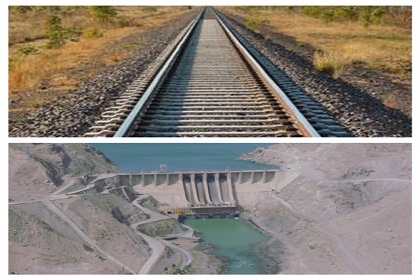
With the Modi government’s focus on improving neighbourhood relations, India cannot afford delays in its aid projects in the region—especially because aid is an effective foreign policy instrument. Why are these projects getting delayed? Is the government taking remedial steps to improve India’s aid programme?
 Courtesy: Wikimedia Commons
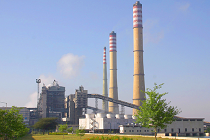
The World Bank report highlighting the need for far-reaching reforms in the power sector underlines the necessity for the centre and state governments to arrive at a political consensus. The model of cooperative federalism advocated by Prime Minister Modi has the potential to transform the electricity scenario