Website articles  (52) Courtesy: AFP
9 March 2026

Iran regime change unlikely

The U.S.–Israel war against Iran will alter the geopolitical landscape of West Asia and adversely impact the global economy, including India. Vali Nasr, Majid Khadduri Professor of International Affairs and Middle East Studies at Johns Hopkins University School of Advanced International Studies, analyses the conflict and its implications in an exclusive conversation with Nayanima Basu.

Website articles  (11) Courtesy: Shutterstock
5 March 2026

West Asia conflict: who benefits?

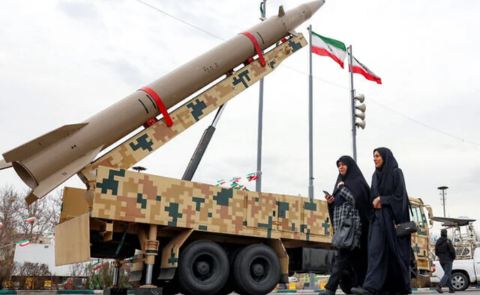
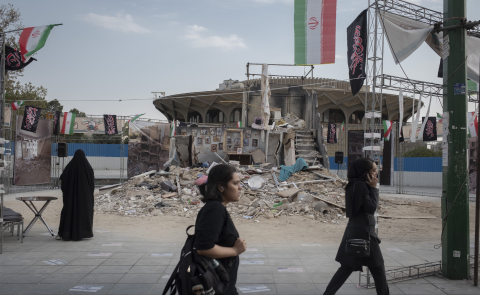
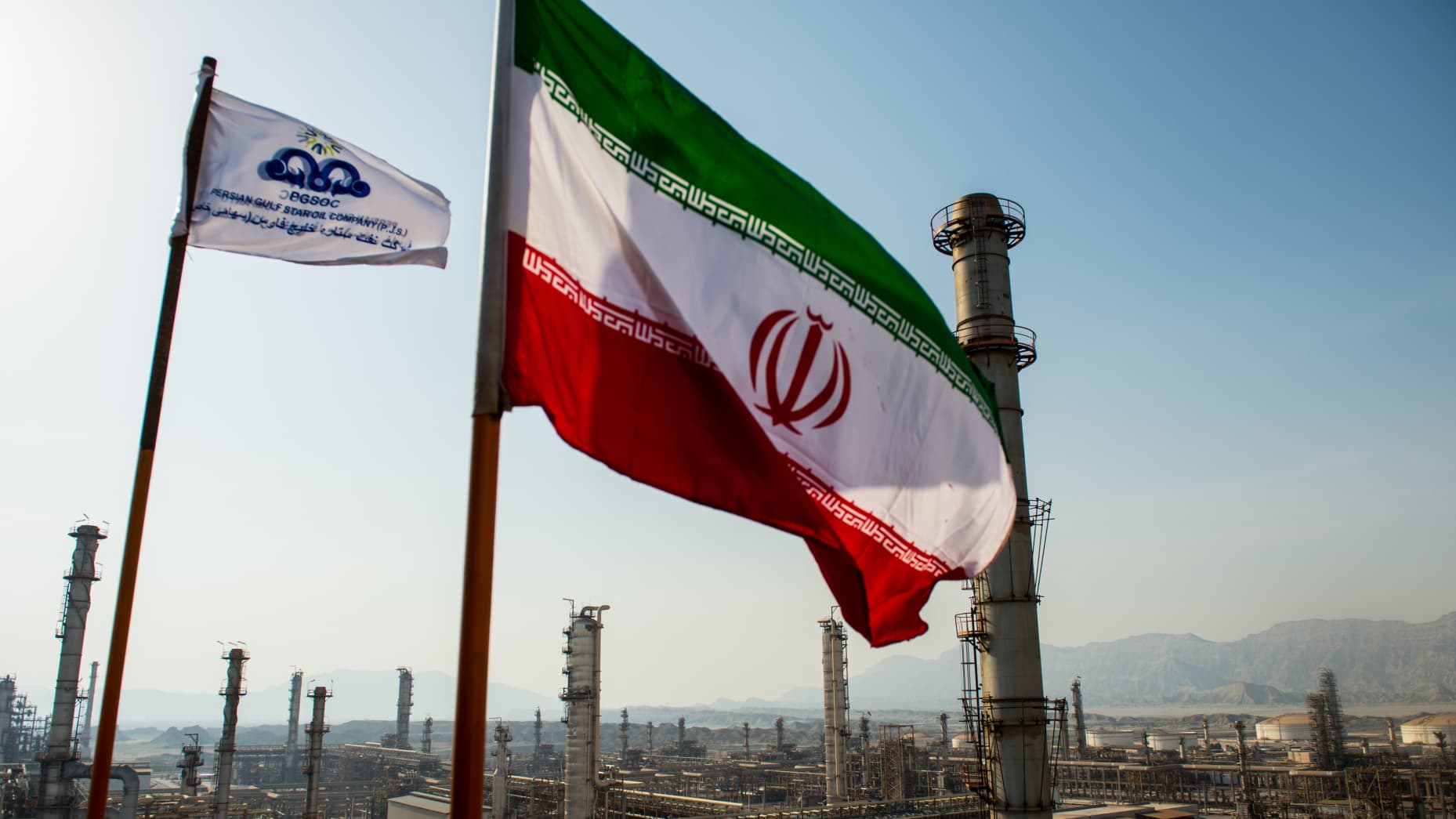
The U.S. and Israel launched precise airstrikes on Iran, targeting nuclear facilities and senior leadership. Their aim is to weaken Iran’s nuclear programme and potentially induce regime change, while Tehran’s priority remains regime survival. The conflict’s duration will depend on whether it remains limited to missile exchanges or escalates into asymmetric warfare.

Turkstreampipe Courtesy: President of Russia-Events website
30 January 2025

LNG: winners and victims

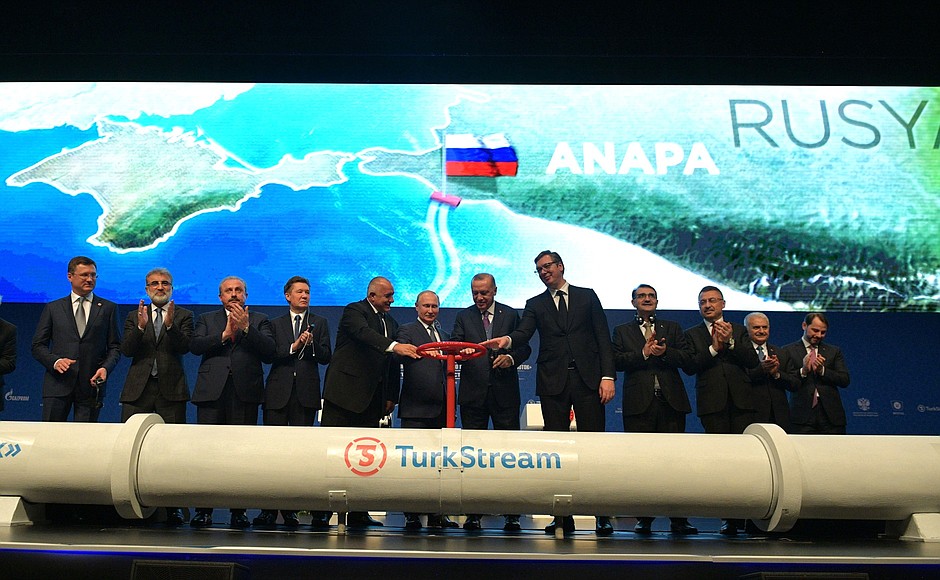
Europe has reduced its reliance on Russian gas following the war in Ukraine, and its chief supplier Russia is mired in western sanctions. What does it mean for Russia? It has certainly changed the fortunes for American gas to be sold to Europe: as of 2023, the US had become the world’s top exporter of gas.

trump mideast Courtesy:
5 December 2024

A new U.S.-Middle East diplomatic landscape

Donald Trump has re-entered Washington with the backing of a solid political base, a redefined Republican Party, and a more seasoned presence on the international stage, including in the Middle East. Since his last imprint on that region in 2016, 2024 presents significant shifts: alliances redefined, regional power dynamics realigned, trade networks transformed, and urgent security challenges restructured. These changes demand strategic recalibration from all stakeholders.

106335094-1578987923215gettyimages-1079998172 Courtesy:
10 October 2024

Energy cost of Iran-Israel Conflict

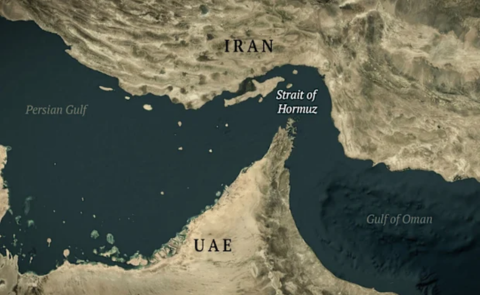
A potential escalation of the Iran-Israel conflict will affect energy supplies globally. Tempering the conflict will help the U.S. keep petrol prices down before its election, protect the oil and gas export traffic in the Persian Gulf, keep the surreptitious Iran-Malaysia-China oil sales going, and prevent a major headache for India, which imports over 80% of its oil.

task force cover 420 Courtesy: Gateway House
16 February 2023

G20 Energy Transitions and Climate Finance Task Force Report

Significant progress has been made globally in adopting green energy. Technological advances, easier availability of capital and regulatory measures have helped. But progress is likely to slow due to the shocks caused by Covid-19 and the Ukraine crisis. How to continue the green transition whilst ensuring that lower-income countries have access to affordable energy? This Task Force offers recommendations for India’s G20 Presidency.

Eu Gas Pipeline Courtesy: Reuters
11 August 2022

Turkey: Europe’s new gas hub?

The Ukraine crisis has sent the EU scrambling for new gas supplies, generating fresh interest in gas pipelines from Central Asia and West Asia via Turkey. Practical difficulties make most of these new projects unviable.

Oil,Field,With,Pump,Jack,,Profiled,On,Blue,Sky,With Courtesy: Shutterstock
10 February 2022

A sovereign wealth fund for oil security

Renewable energy is trendy, but still unreliable at this early stage. Countries will find it necessary to fall back on traditional energy sources like coal and oil for their needs, and this can lead to energy price spikes. To protect itself from this scenario, now is the time for energy-dependent India to set up a wealth fund that invests in listed oil companies around the world, to reduce the risk of energy insecurity.