Ludovic MARIN  AFP Courtesy: Ludovic MARIN / AFP
12 June 2025

Macron’s strategic Indo-Pacific sail

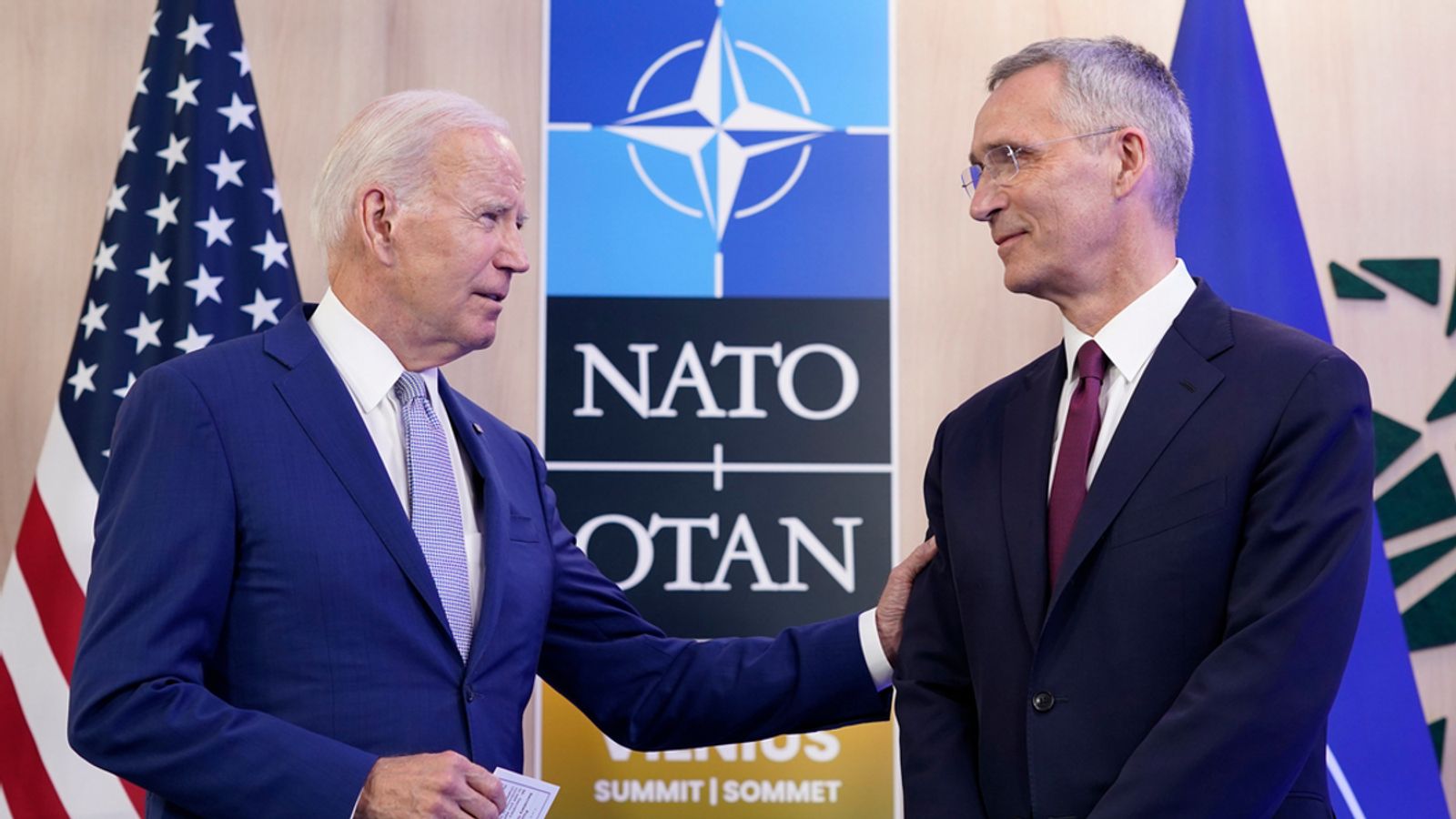
Macron’s 2025 tour of Southeast Asia was intended to reinforce France’s strategic commitment to the Indo-Pacific. By engaging with three key ASEAN members - Vietnam, Indonesia, and Singapore - France wants to forge partnerships beyond its traditional transatlantic ties. Its Indo-Pacific vision is based on its territorial presence, economic interests, and diplomacy values, which it hopes will be an alternative to the binary logic of U.S.-China rivalry.

3d25bf28-0a5a-4e50-ad23-96c8659aca34 Courtesy: Bayerischer Rundfunk
16 May 2024

NATO@75

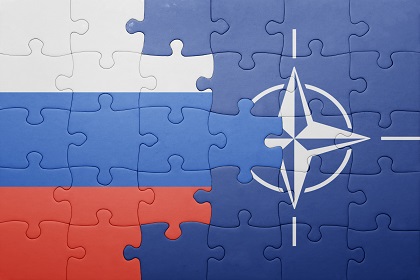
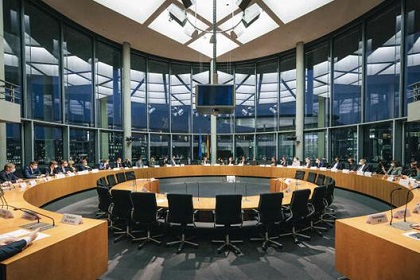
The North Atlantic Treaty Organisation turns 75 this year. It has exceeded its original mandate of a collective defence for Europe and is expanding rapidly. From restraining the rise of Russia, it is now seeking non-NATO allies in Asia who wish to restrain China. This requires a nimbler, more dynamic alliance. Can NATO respond to the transformation?

Putin's Speech Valdai Courtesy: Valdai Discussion Club
3 November 2022

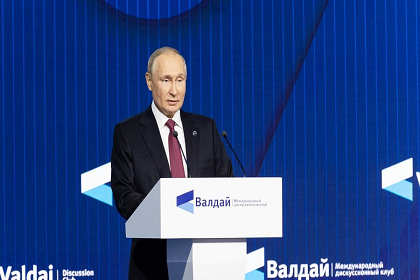
At Valdai, Putin’s vision of emerging world order

The reference to India by Russian President Vladimir Putin at the Valdai Discussion Club may be interpreted as encouragement to New Delhi to use its good offices to nudge the warring sides to the negotiating table. Mediation is a big power game, and this may be the right time for India, at the cusp of the G20 Presidency, to start with a record of success

Bhatia article image Courtesy: Gateway House
17 February 2022

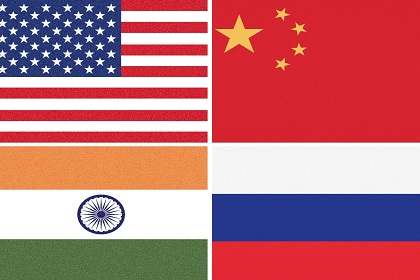
Has global geopolitics turned multipolar?

The Quad Foreign Ministers' meeting held on February 11 is the latest example of growing geopolitical cooperation. Several loci of power have emerged, indicating the end of the post-Cold War western hegemony. China's rise and alliance with Russia hints at a bipolar tendency in this nascent global multipolarity. India must ensure power distribution in Asia by sharpening its diplomacy to achieve its own interest - true multipolarity in Asia.

Imperial powers: Leaving chaos behind Courtesy: U.S. Air Force
9 September 2021

Imperial powers: Leaving chaos behind

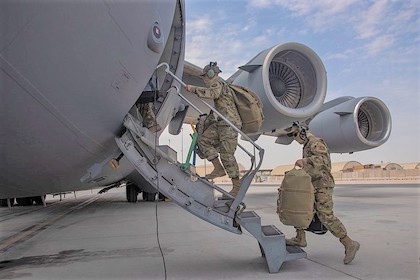
The withdrawal of U.S. and NATO troops from Afghanistan is not the first time that a hasty and messy departure of foreign forced has taken place. History is replete with examples of imperial powers suddenly leaving countries that they secured for years, without ensuring a peaceful transition of power. The sub-continent has now seen it twice, the last time was in 1947, when the British preponed their withdrawal from India, hastily partitioning the country and leaving a region at war with itself. Ambassador Neelam Deo, co-founder, Gateway House, explains why and how this happens.