China in IOR: ‘peaceful rise’ no more
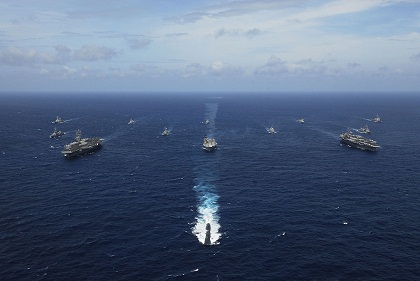
China has expanded its presence in the Indian Ocean Region. President Xi Jinping has abandoned Deng Xiaoping’s conciliatory posture for an aggressive, money-fuelled search for super power status
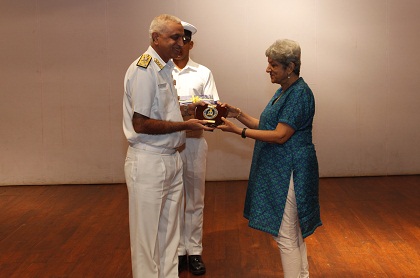
Courtesy: Western Naval Command
China has expanded its presence in the Indian Ocean Region. President Xi Jinping has abandoned Deng Xiaoping’s conciliatory posture for an aggressive, money-fuelled search for super power status
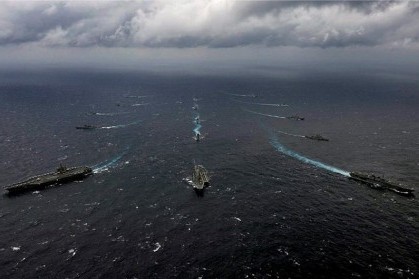
Courtesy: PTI
The historical evolution of the Malabar Exercise and the currently fraught relations between the participating countries and China created a much sharper context for the event, with the Chinese evincing a heightened interest in it
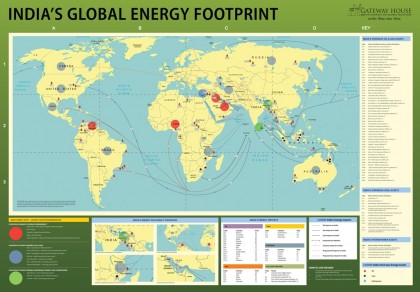
Courtesy: Gateway House
The two decade-old Indian Ocean Rim Association holds its first ever summit next week. Maritime safety and security in the region is a paramount concern as also enhanced trade, but will the Blue Economy be included as a priority? Another area of concern is devising modalities for cooperation with dialogue partners, such as the United States, China and Japan
Trends in technology, geopolitics and geoeconomics have dramatically transformed the global energy scenario in the last two years. This means favourable conditions for import-dependent India, which must use the opportunities available to reduce its vulnerability to high energy prices. The jump in oil prices past the $60 mark suggests that India must act with alacrity. India’s Energy Footprint Map offers a profile of India’s global trade and investment in energy, and indicates what India can do to access cheap and reliable supplies
Courtesy: Wikipedia
A strategic coming together of the U.S., Japan, Australia, and India was close to fruition some years ago, impelled initially by the tsunami of 2004. The spirit of the enterprise remains alive even now, and there are many merits in India joining the quad, but such an arrangement can skew existing Asian equations, jeopardising the Act East policy
Courtesy: ustr.gov
The Trans-Pacific Partnership has dropped strong Intellectual Property Rights regulations on India’s doorstep. The implications of these regulations could affect India’s own policies, as well as her global aspirations towards the potential Regional Comprehensive Economic Partnership.
Courtesy: Wikipedia
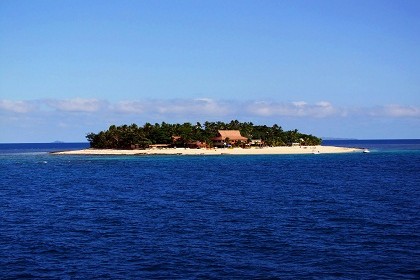
The second Forum for India and the Pacific Islands in Jaipur on August 21 will be a historic summit that brings together the interests of India and the 14 island countries of the Pacific. It is India’s acknowledgement of the emerging strategic importance of the Pacific region, and a chance for the islands to turn this into an opportunity for growth, development, and greater security.
Courtesy: Wikimedia Commons
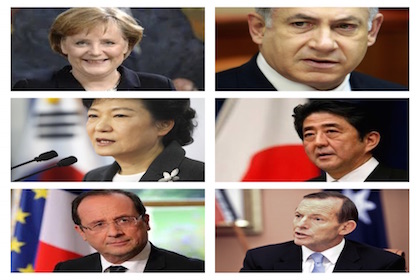
Narendra Modi, who spent nearly two months abroad in his first year as prime minister, helped India cultivate a wide range of bilateral and multilateral relationships. But of these, it will be the middle powers that hold the key, economically and geopolitically to India’s growth and security, and Modi must continue to widen his middle powers arc
Courtesy: qdkfqsz.com
Prime Minister Modi's Fiji visit is a chance to broaden and deepen the relationship between India and the South Pacific. Promoting an inclusive policy that engages civil society and the private sectors of both countries, will be a step in the right direction in order to regain lost ground due to years of neglect
Courtesy: pmindia.nic.in
The India-Australia civil nuclear deal goes much beyond providing for India’s energy needs. The deal will help New Delhi’s bid to enter the Nuclear Suppliers Group and other technology control regimes. The ties with Canberra also have the potential to develop into a strong strategic partnership