Website articles  (12) Courtesy: Gateway House
15 May 2025

U.S., global emperor of sanctions

Over two centuries, the U.S. has amassed vast economic powers across the globe during and after the two World Wars , and sanctions slowly became an effective tool it used to achieve its foreign policy goals, becoming the global emperor of sanctions.

Website articles  (5) Courtesy: PTI
9 May 2025

Three messages from Operation Sindoor

Operation Sindoor conveyed three messages: First, to Pakistan that it will have to bear the consequences of continuing to support terrorism. Second, to terrorists, that Bharat will inflict the same pain, if not more, than they inflict on Indian citizens. Third, to the world, that Bharat is resolute in responding to terrorism in a “measured, non-escalatory, proportionate, and responsible” manner.

Website articles  (3) Courtesy: Agence France-Presse
8 May 2025

How China can assist Pakistan post Pahalgam

India-China relations, undergoing a thaw since October 2024, have been slow to mend. In this scenario it is worth examining what assistance China can give Pakistan in case of military action by India, post Pahalgam. The state of play on the India-China border will also have a major implication for this.

World Leaders Courtesy: East Asia Forum
17 April 2025

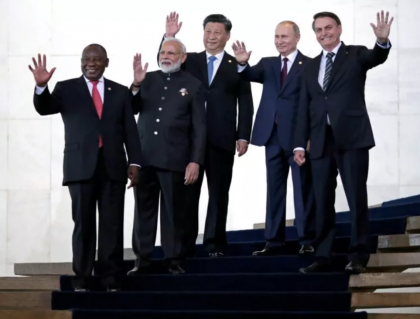
Multipolarity is gaining ground

The traditional power structures of ‘unipolarity’ or ‘bipolarity’ prevalent over the past 80 years are no longer appropriate to describe the current global order, with more countries increasingly supporting the evolving multipolar world. With the old ‘rules-based’ order becoming less relevant, emerging powers like India have an opportunity to draft more equitable rules to match their multipolar intentions.

Report Courtesy: Körber-Stiftung
17 April 2025

Momentum for Middle Powers: Emerging Middle Powers Report

The world is undergoing profound transformations that are not being driven only by the United States, China or Russia. Small and medium-sized States are carving out a legitimate place for themselves in the emerging new order. This second edition of our annual Emerging Middle Powers Report is a reminder that the signs of the times are showing a new momentum for middle powers.

20FEb Breifing- event Courtesy: Gateway House
20 February 2025

A new gateway in the Northeast

Japan's growing influence in India’s Northeast and Bay of Bengal region is proving to be a gamechanger, with the potential to transform its economic and geopolitical landscape. With cultural ties and strategic investments, states like Assam and Meghalaya hope to enhance development while fostering a mutually beneficial relationship with Japan. Additionally, the latter could help ensure wider regional stability given the tensions with Bangladesh and Myanmar.

longmen Courtesy: UNESCO
9 January 2025

India-China: learning from each other

India and China are the world’s most populous countries, with much in common and much divergence. Reform, discipline, long-term thinking and scale brought China to its present near first-world conditions; India is accommodative with its democracy, cultural diversity and all-round religiosity to achieve development, wealth creation, cultural preservation and self-respect. There’s a great deal that the two Asian giants can learn from each other.

Indo-pac regaining salience Courtesy: CGTN
18 April 2024

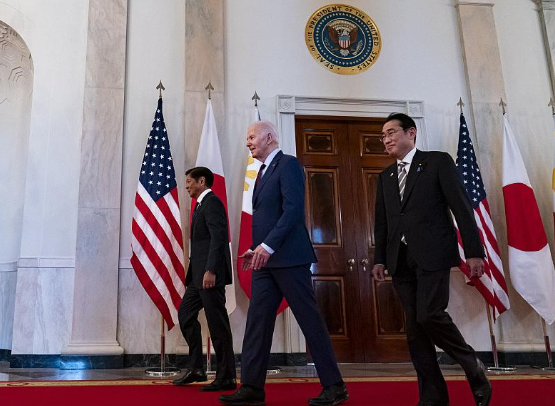
Indo-Pacific’s shifting seas

China’s hostile actions in the East and South China Seas have led to a deepening of naval partnerships within the Indo-Pacific such as the U.S., Japan, Philippines, Australia and South Korea. As crises in West Asia escalate and the strategic contest between the U.S. and China hardens in the Pacific Ocean, India – placed strategically in the Indo-Pacific – can’t neglect either the west nor east.

Balochistan Violence Courtesy: The Hindu
18 April 2024

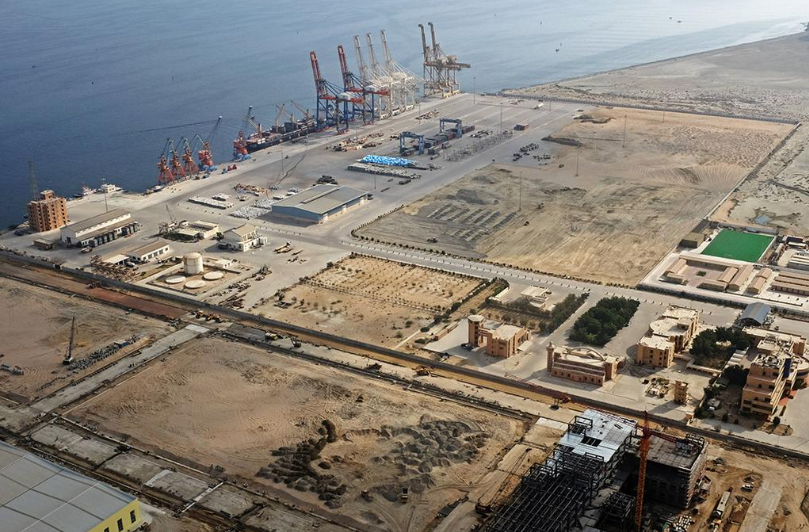
Spiraling violence in Balochistan

Long treated by Pakistan as a colony, Balochistan has seen several high-profile attacks by locals against Chinese interests. The growing unrest in the region reflects Islamabad’s failure to address key development issues. With less than 10% of this year’s federal budget earmarked for development, it appears that the only means of quelling the violence is more repression.

WhyBharatMatters Courtesy: Rupa Publications India Pvt Ltd.
18 April 2024

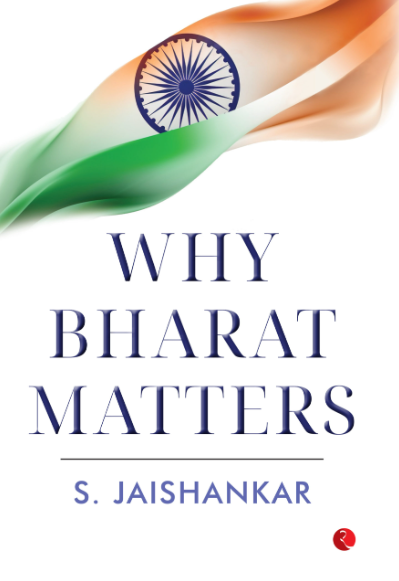
Why Bharat Matters

Dr. S. Jaishankar’s new book creates an environment for an open and equal dialogue, which must continue between Indian and Russian diplomats, experts, representatives of business and public organisations. He is a visionary and an intellectual; his book is an example of next-generation Indian soft power, at the intersection of the challenges of the future and the legacy of the past.