World Leaders Courtesy: East Asia Forum
17 April 2025

Multipolarity is gaining ground

The traditional power structures of ‘unipolarity’ or ‘bipolarity’ prevalent over the past 80 years are no longer appropriate to describe the current global order, with more countries increasingly supporting the evolving multipolar world. With the old ‘rules-based’ order becoming less relevant, emerging powers like India have an opportunity to draft more equitable rules to match their multipolar intentions.

Screenshot 2025-03-25 111538 Courtesy:
27 March 2025

Is U.S. reset with Russia due to the China factor?

U.S. President Trump is prioritising strategic competition with China and seeking stability with Russia. This approach involves sanctions relief, sidelining Ukraine, and fostering economic ties with Moscow to weaken its reliance on China and reshape global power dynamics. Europe is divided on the outreach to Russia, but the U.S. wants to leverage energy markets and investment opportunities to expand its influence over Moscow.

APTOPIX Russia Ukraine War Courtesy: AP
13 March 2025

Riyadh and the new halls of mediation

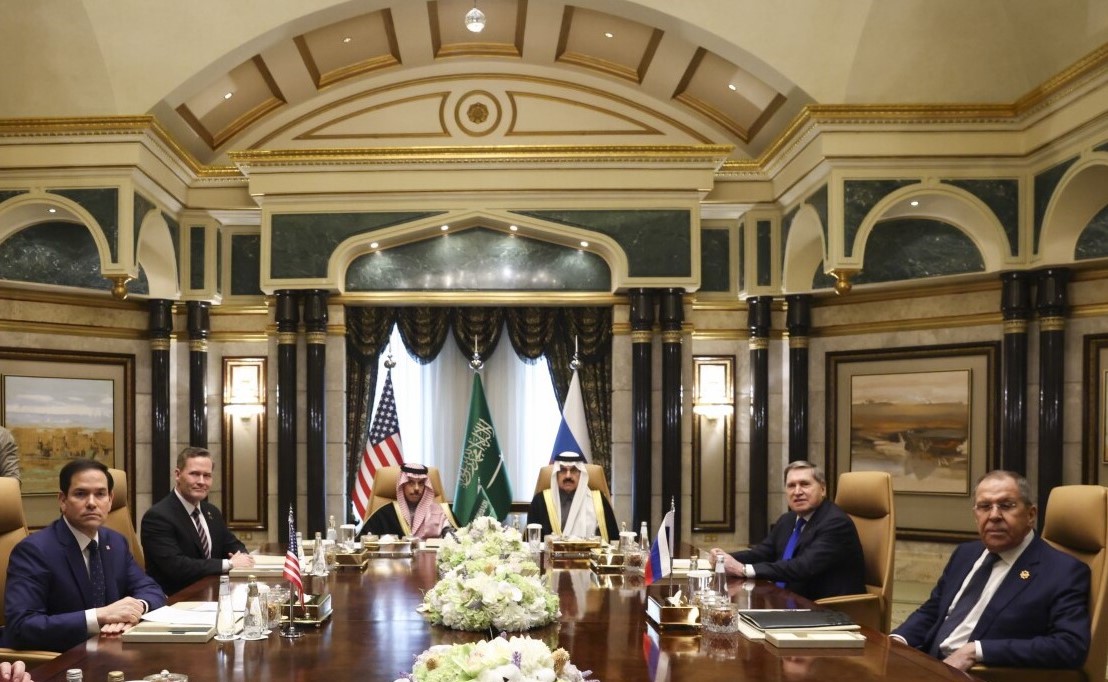
Saudi Arabia has been the new centre for mediation between warring states and their sponsors. It reflects the shifting dynamics in an increasingly multipolar world and the redefinition of power structures. This role has extended to other Gulf states, which have strategically positioned themselves as neutral players, leveraging their strong relations with the great powers, and adopted culturally sensitive to consensus-building.

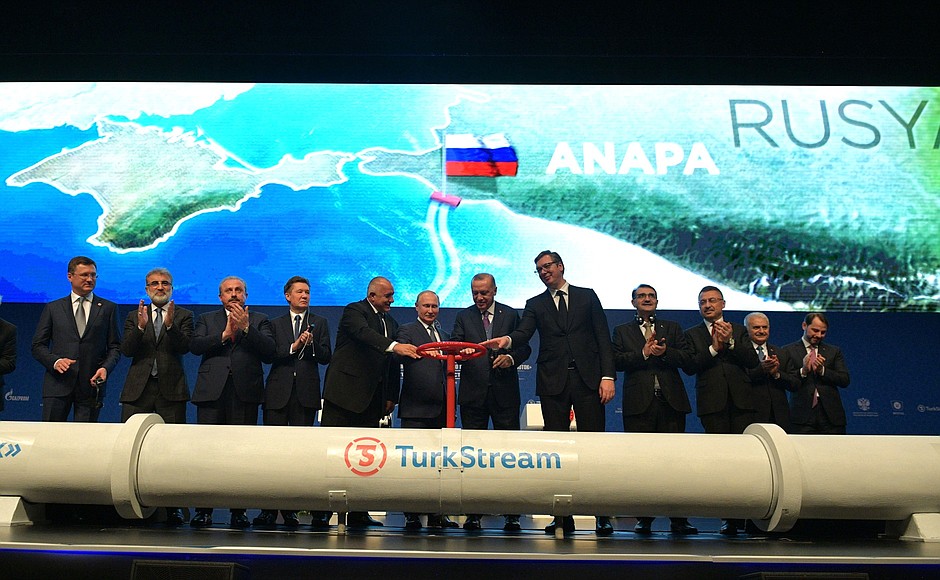
Turkstreampipe Courtesy: President of Russia-Events website
30 January 2025

LNG: winners and victims

Europe has reduced its reliance on Russian gas following the war in Ukraine, and its chief supplier Russia is mired in western sanctions. What does it mean for Russia? It has certainly changed the fortunes for American gas to be sold to Europe: as of 2023, the US had become the world’s top exporter of gas.

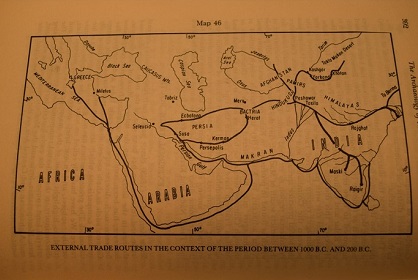
Map-2-International-Trade Courtesy: Oxford University Press
23 January 2025

The ancient precursor to IMEC

The India Middle-East Europe Economic Corridor (IMEC) announced during India’s G20 leaders’ summit in September 2023 aims at security and ease of connectivity by multi-modal physical, digital and energy corridors connecting India, UAE, Saudi Arabia, Israel, and Europe. Like many of the connectivity projects created around the world today, IMEC’s origins are 2,300 years old, ancient routes that connected the Indian Ocean to the Mediterranean Sea

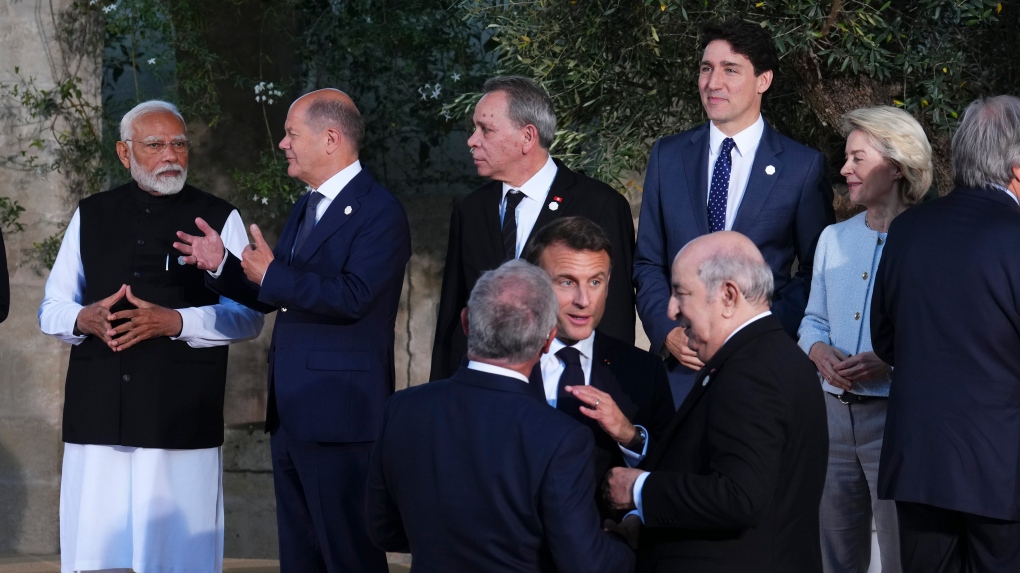
g7-summit-1-6927406-1718390321112 Courtesy:
20 June 2024

BRICS and G7: India’s trapeze act

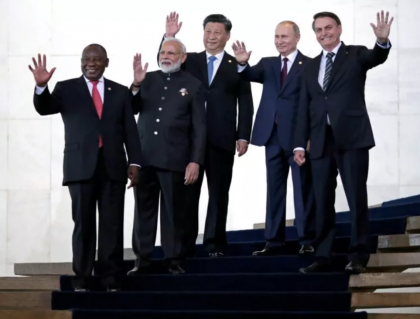
Prime Minister Modi’s third term began with India’s participation at the BRICS Foreign Ministers Meeting in Russia and the Outreach Session of G7 in Italy. India’s participation at both conferences highlighted New Delhi’s continuing preoccupation with great powers. How Indian diplomacy navigates ties between the West and BRICS will shape and decide its strategic autonomy in a multipolar world.

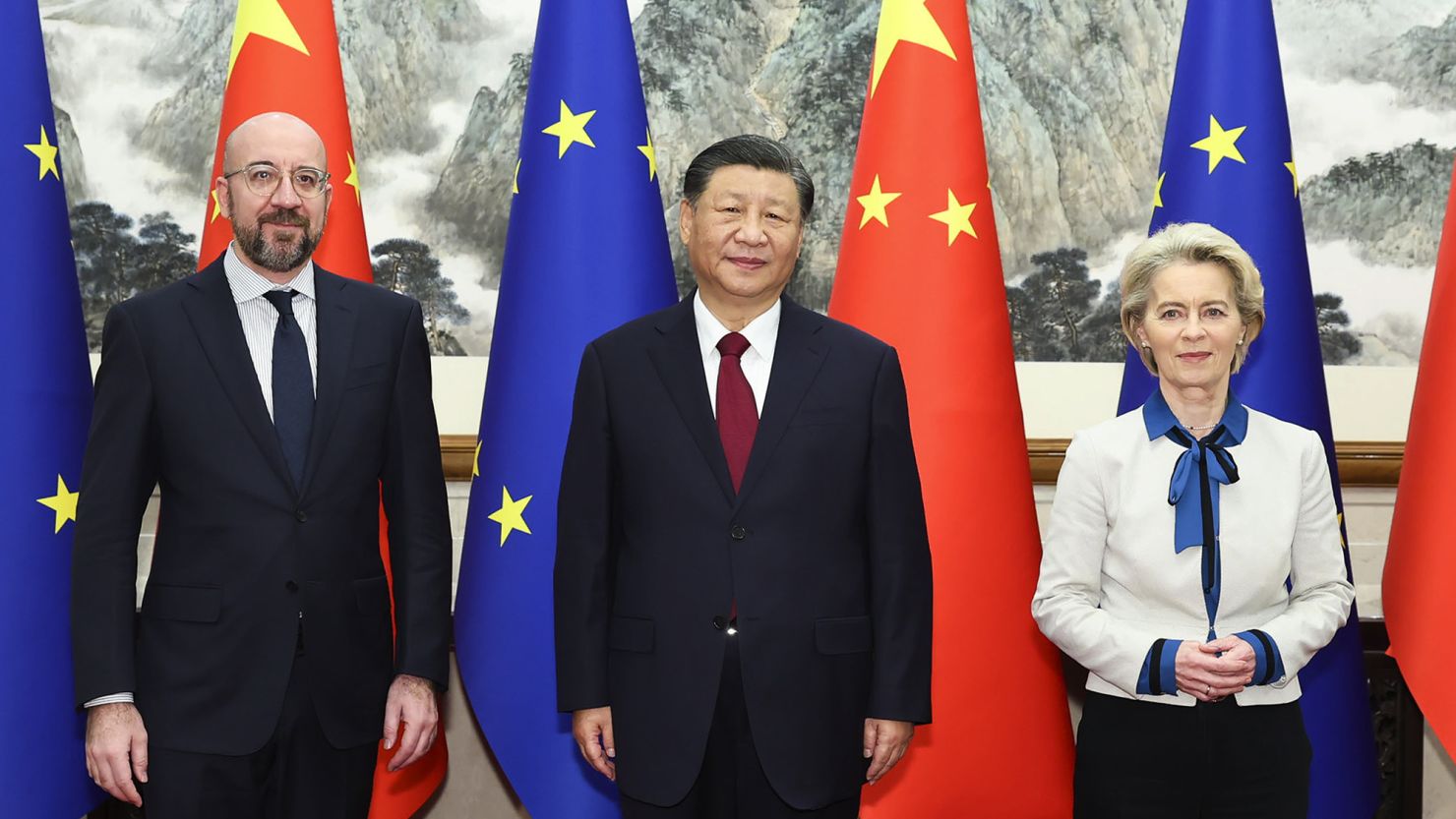
231207084123-xi-jinping-eu-leaders-120723 Courtesy:
23 May 2024

Xi’s diplomatic push in Europe

Chinese President Xi Jinping's three-nation tour to France, Serbia and Hungary in early May highlighted China's aim to bolster ties and navigate shifting global power dynamics. The trip's implications are significant for all major powers, including India, which must inject more creativity and energy in building up its strategic partnerships with G7 nations after the elections.

Gateway House_Elections in 2024 Courtesy: Gateway House
4 January 2024

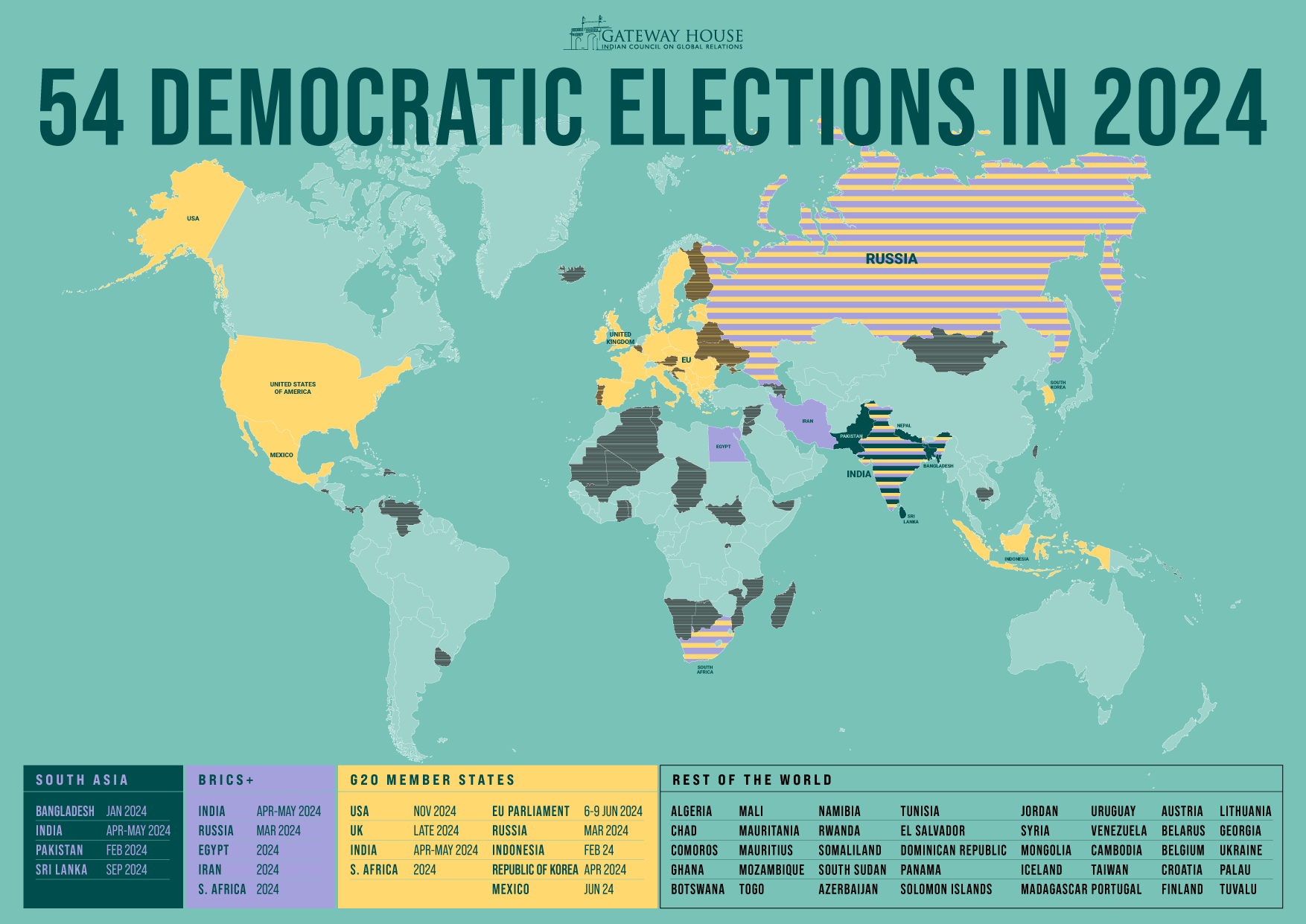
54 democratic elections in 2024

A sweep of democracies across the world are scheduled to hold general elections in 2024, including seven of the 10 most populous countries. India has an interest in several of these: its own national election and those in its immediate neighbourhood; in the G20, of which India is still part of the troika; and in BRICS-plus, where a new global game is afoot.

task force cover 420 Courtesy: Gateway House
16 February 2023

G20 Energy Transitions and Climate Finance Task Force Report

Significant progress has been made globally in adopting green energy. Technological advances, easier availability of capital and regulatory measures have helped. But progress is likely to slow due to the shocks caused by Covid-19 and the Ukraine crisis. How to continue the green transition whilst ensuring that lower-income countries have access to affordable energy? This Task Force offers recommendations for India’s G20 Presidency.

GH in the G20 & T20 Courtesy: Gateway House
16 December 2022

Gateway House in G20 & T20

Gateway House is the only institution in India that has hosted official and independent meetings under the annual G20 process since 2015. In October 2022, Gateway House initiated an independent G20 Task Force on Energy Transitions and Climate Finance, the first task force of India's G20 Presidency of 2023. In this compendium of reports, Gateway House assesses and includes its engagement with this influential multilateral through task forces, research and meetings of the last nine G20 Presidencies.