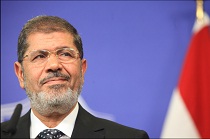
Morsi Courtesy: European External Action Service/ Flickr
3 July 2013

Why Morsi is wrong for his people

The downfall of Egyptian president Mohammad Morsi was partly contributed by those thousands of protesters who disagreed with his view of “Us” and “Them”. Leaders such as Morsi have focused on persecuting those who refuse to share their vision; continuing down this path would have had a negative impact on history
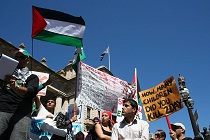
West Asia Courtesy: takver/WikimediaCommons
3 December 2012

Prioritizing West Asia

India is tied to West Asia by economic, religious and political threads. The ongoing social and political flux in the region can have adverse consequences for India and requires a serious rethink of its foreign policy priorities. How can India insert itself usefully into this geopolitical cauldron?

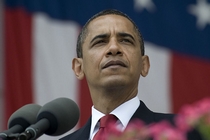
obama second term_0 Courtesy: U.S. Navy
10 November 2012

The second term

U.S. President Barack Obama will certainly have the benefit of continuity in his second term, but he has a range of impending crises to address immediately - be it to avert the so-called fiscal cliff before the end of the year when automatic cuts kick in or plan for the military drawdown from Afghanistan.

Courtesy: FREEDOM HOUSE2/FLICKR
24 August 2012

Syria: What next?

With the Free Syrian Army being supplied aid by the West and the Gulf Cooperation Council countries, the endgame for the Syrian regime has begun. Does Assad's exit guarantee the replacement of autocracy with democracy? What implications will it have on regional politics?

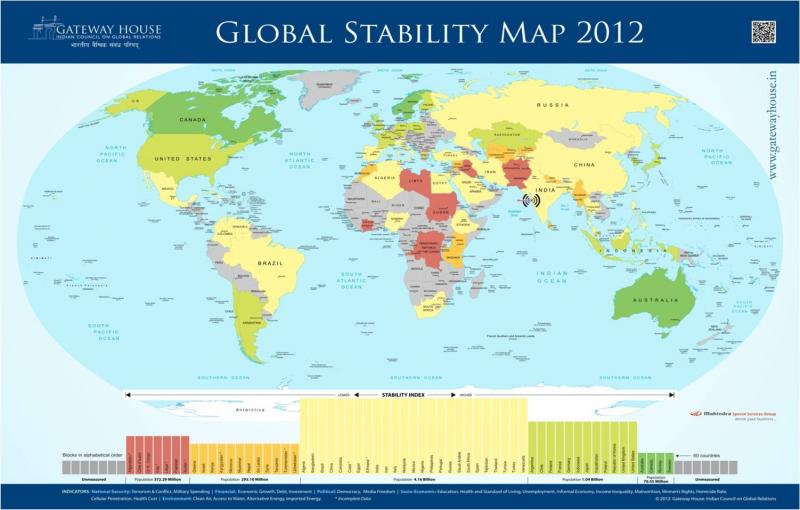
Global Stability Map Courtesy: Gateway House
1 August 2012

Global Stability Map 2012

Gateway House prepared a Global Stability Map, using 20 differing indicators, to analyze the stability of 60 countries around the world. Using criteria that are important to the emerging economies of the world, the map provides an Indian perspective of the world today.

Neelam on Syria Courtesy: FreedomHouse2/Flickr
6 July 2012

The unique tragedy of Syria

Simultaneous efforts to resolve the problem in Syria remain stymied even as more and more high level meetings and consultations take place. The more countries treat the situation as a proxy for political differences, the more it creates the conditions for a wider conflagration with an unpredictable outcome.

IMG_4820 Courtesy: Gateway House
20 April 2012

Deciphering today’s Middle East

What are the implications for India if Iran is attacked? How effective has the response been by gulf nations to their own protests? Ambassador Talmiz Ahmad, India’s former Ambassador to Saudi Arabia, discusses the dynamics of West Asia with Gateway House’s Alisha Pinto and Azadeh Pourzand.

Courtesy: IAEA Imagebank
9 April 2012

Iran: An opportunity for BRICS

The scope for any process on nuclear talks with Iran to founder on distrust, misunderstanding and political in-fighting in both Tehran and Washington remains formidable. Equally disturbing are the wider political realities. Can the upcoming talks in Istanbul launch a process that can, over time, lead to agreement?

wisner interview Courtesy: Gateway House
2 April 2012

India-U.S.-Iran Impasse?

Given the immediacy of rising tensions around Iran’s nuclear programme, what can India and the U.S. do to resolve the issue? Gateway House’s Manjeet Kripalani talks to Ambassador Frank Wisner about the possibilities of a strike against Iran and its effects on the India-U.S. relationship.

anna hazare 2 Courtesy: nazeah/Wikimediacommons - Ramesh Lalwani/Flickr
30 December 2011

2011’s Top Foreign Policy Cheers and Jeers

The year 2011 saw various events - the Arab Spring, anti- corruption protests, Europe's sovereign debt crisis - transform countries and reshape the world order. Gateway House takes a look at what these events mean for India, and presents India's top foreign policy cheers and jeers for the year.