indo pacific  (2) Courtesy: Getty Images
24 July 2025

India’s footprint in the Indo-Pacific region

India is strategically expanding its influence across the Indo-Pacific region, positioning itself as a key player in regional affairs. Three elements anchor the effort: development aid, trade and the diaspora. The country now has 20 Free Trade Agreement partners in the Indo-Pacific. The 21.8 million-strong Indian diaspora across the region is a significant source of soft power for India.
Global South World Courtesy: Global South World
17 July 2025

Argentina-India grow the strategic partnership

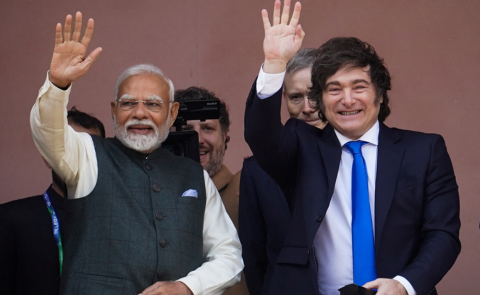
Prime Minister Modi’s visit to Argentina is a boost to the growing bilateral. Modi and Argentinian President Javier Milei are committed to their countries’ economic and political advancement, and see trade with each other as key. Argentina being in the lithium triangle gives India access to critical minerals.

PM 5 nation visit Courtesy: X / PMOIndia
14 July 2025

PM Modi’s five-nation tour

PM Modi's five-nation tour highlights that despite geopolitical conflicts, New Delhi remains confident in its ability to balance relationships with the North and South.

Website articles  (12) Courtesy: Gateway House
15 May 2025

U.S., global emperor of sanctions

Over two centuries, the U.S. has amassed vast economic powers across the globe during and after the two World Wars , and sanctions slowly became an effective tool it used to achieve its foreign policy goals, becoming the global emperor of sanctions.

Report Courtesy: Körber-Stiftung
17 April 2025

Momentum for Middle Powers: Emerging Middle Powers Report

The world is undergoing profound transformations that are not being driven only by the United States, China or Russia. Small and medium-sized States are carving out a legitimate place for themselves in the emerging new order. This second edition of our annual Emerging Middle Powers Report is a reminder that the signs of the times are showing a new momentum for middle powers.

images (1) Courtesy: Wikipedia
9 January 2025

Latin America’s new frontiers in 2025

The lessons of 2024 are a compass for navigating geopolitical currents in 2025. Global conflicts have doubled over five years and ever-changing realities are challenging traditional foresight. With several elections due regionally this year, political fissures within and new foreign diplomacy without, will make the Latin American path one of hard decisions.

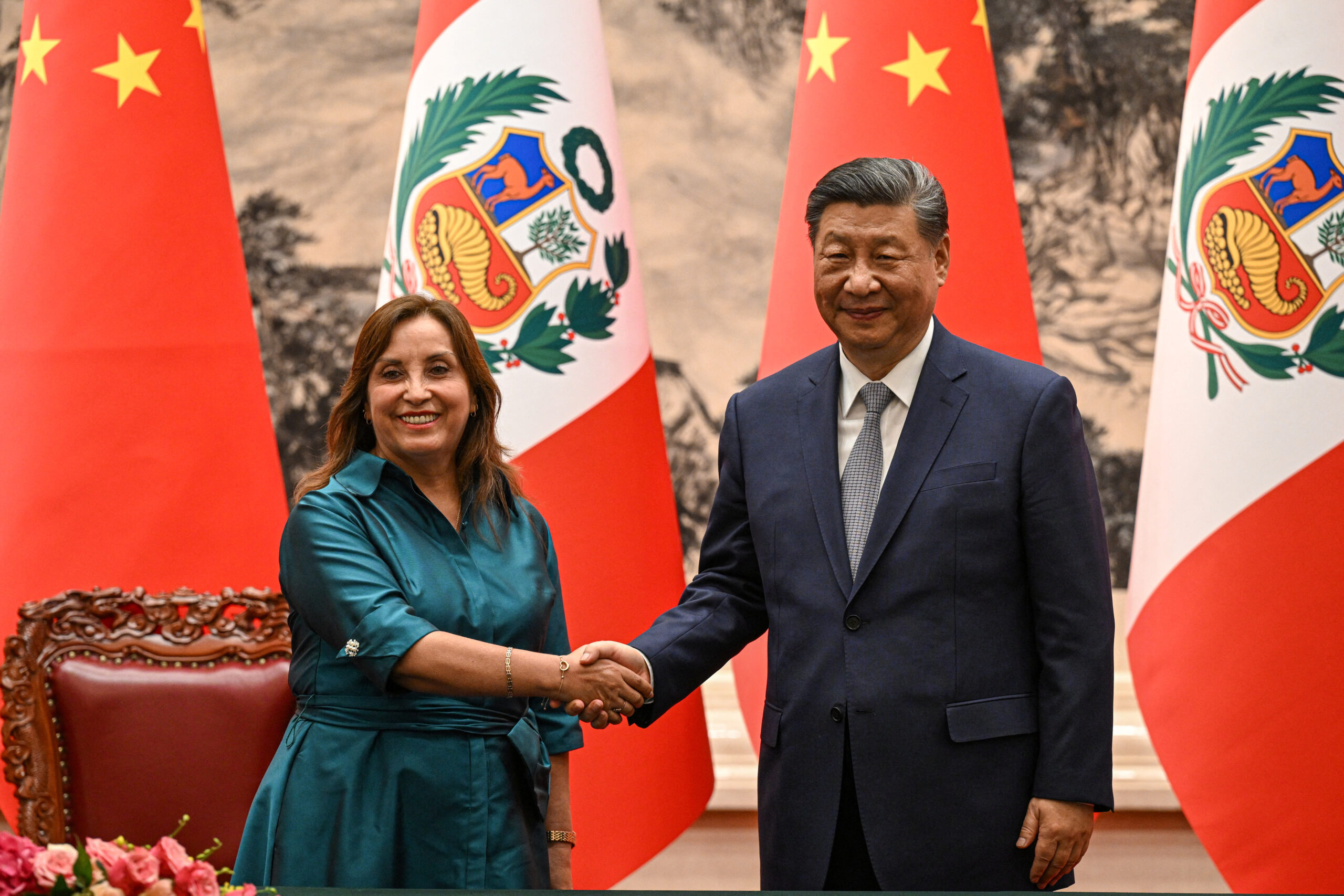
China's President Xi Jinping and Peru's President Dina Boluarte shake hands during a signing ceremony at the Great Hall of the People in Beijing, China June 28, 2024. JADE GAO/Pool via REUTERS Courtesy: Atlantic Council
12 December 2024

Xi Jingping’s Latin Success

Xi Jinping’s visit to South America to attend the APEC and G20 meetings had multiple goals. To inaugurate a new gateway for China in Peru’s Chancay port, sign three dozen cooperation agreements with Brazil, and make nice with the continent’s nations from Chile to the Honduras. Did it succeed in expanding China’s influence in the region? Most certainly, yes.

APEC 2024 Courtesy:
28 November 2024

 Power play at APEC

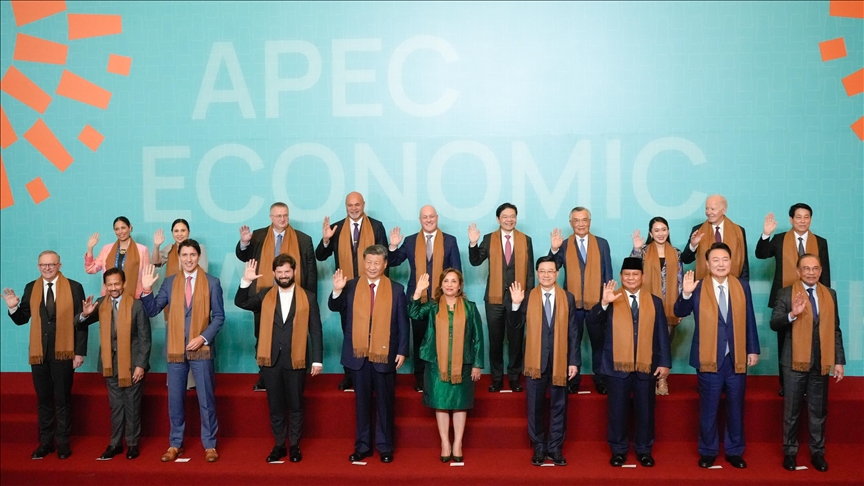
The Asia Pacific Economic Community summit, held in Peru from Nov 13-15, attracted many leaders, but most eyes were on President Xi Jinping of China who cut the ribbon on a Peruvian port, China’s largest investment in South America. Meanwhile the APEC CEO Forum was more interested in the impact of incoming U.S. President Donald Trump on their economies and on the region.

global s Courtesy:
27 August 2024

Voicing again, the Global South Summit

India hosted the third Global South Summit virtually on August 17. Such summits are a necessary platform to network with other developing countries and bring neglected issues to attention. But now they must do more than be tick-box events. They must have achievable milestones, actively share experiences and solutions, and show how they matter.

Report Photo Courtesy: Körber-Stiftung
18 March 2024

Listening Beyond the Echo Chamber: Emerging Middle Powers Report

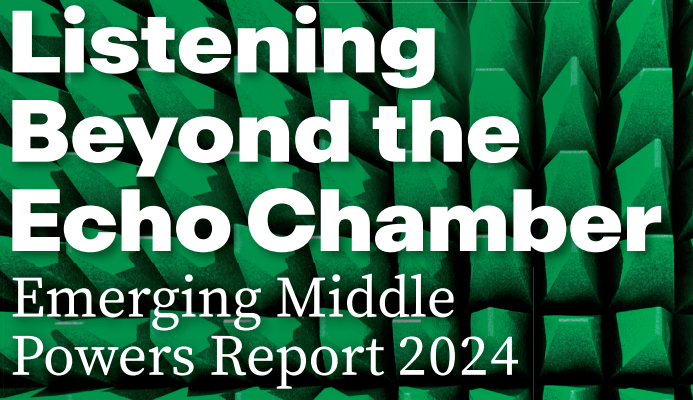
Divergent global reactions to major crises such as those sparked by the war in Ukraine and NATO’s Afghanistan withdrawal have widened the chasm between Western countries and emerging middle powers. This survey, conducted among nearly 1,000 experts from India, Brazil, South Africa and Germany, examines key foreign policy priorities in these countries, and reveals that despite differences, dialogue is possible.