2 (12) Courtesy: Ingram Pinn
19 February 2026

Managing multipolarity in a multilateral world

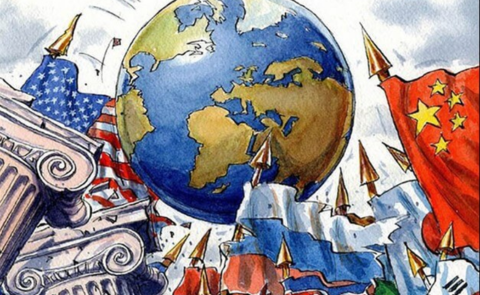
Multipolarity indicates who holds power, while multilateralism is about how states choose to cooperate. In today’s world, power is diffusing and interdependence is deepening simultaneously. A multipolar world creates fluid alignments and strategic competition, but multilateralism manages interdependence through rules and institutions. The world is becoming both, simultaneously, requiring states to manage competition, preserve cooperation, and stabilise an increasingly complex global landscape. That is easier said.
2 (3) Courtesy: Getty Images
5 February 2026

Germany’s reform under strain

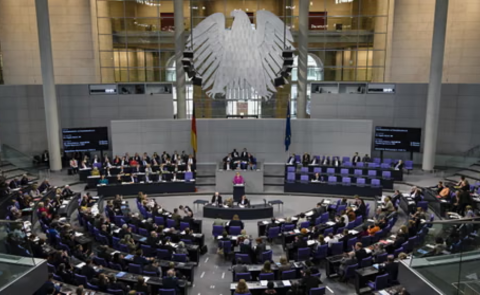
Germany’s prospects in 2026 are defined by tension rather than momentum. The country is neither in crisis nor comfortably on a path to renewal. Instead, it is engaged in a difficult process of adjustment, seeking to reconcile fiscal restraint with strategic ambition, social protection with demographic reality, and climate leadership with industrial competitiveness.

Website articles  (35) Courtesy: Getty Images
22 January 2026

Can NATO survive without Article 5?

The U.S. demand for Greenland for security purposes, has alarmed Europe enough for talk of Article 5 of NATO’s collective defence agreement to be put on the discussion table. But can NATO survive without Article 5? And can Article 5 survive without the U.S. defence cover for Europe?

Untitled design (10) Courtesy: Foreign Affairs
15 January 2026

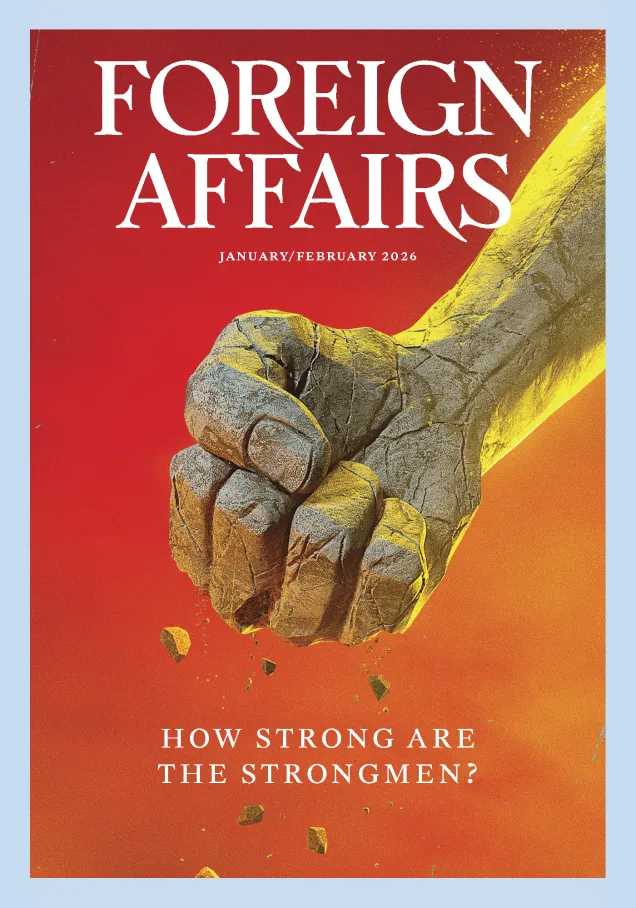
How Strong are The Strongmen?

Not long ago in the sweep of history, countries that had once been buried behind the Iron Curtain, and even some Soviet republics, were transformed into members of the solidly democratic club. Some of those that weren’t, such as Ukraine, Georgia, and Kyrgyzstan, experienced mass revolts against rigged elections and corrupt misrule amid widespread public yearning to join the West. Free trade was again celebrated as an instrument of peace; Kant’s “democratic peace theory” enjoyed a revival.

9feb9c42-5bb4-16f6-4358-f21cbb0992ff Courtesy: Gateway House
11 December 2025

Ambedkar the forgotten internationalist

As global conflicts intensify and global leadership falters, it is time to look back 75 years to Bhimrao Ramji Ambedkar - not only the father of India’s Constitution but also an internationalist whose foreign policy vision remains overlooked. He warned against aligning with China, upheld Tibet’s sovereignty, advocated U.S. ties, rejected non-alignment, and championed India’s UNSC seat. How different would the scenario have been if Ambedkar had led India’s foreign policy?

Reuters (1) Courtesy: Reuters
3 December 2025

Russia and India update their relationship

The visit of Russian President Vladimir Putin to India on December 4-5, is an event with many dimensions. It will address the political and economic strength and future of the bilateral, discuss the global scenario, and lay out a path for future cooperation that will continue to define the relationship as 'special and privileged.'

revised design Courtesy: Gateway House
27 November 2025

Rise of the Davos Competitor

U.S. health secretary Robert Kennedy Jr. called the World Economic Forum a “billionaires’ boys club” imposing totalitarian controls. Indeed, since 1971, the elite platform shaped geopolitics. But its Western-centricism kept out the concerns of the rest. This gave rise to alternative forums, which look beyond financial agendas to the perspectives shaping the Global South. Here are 45 of biggest, half of which began just two decades ago.

Gateway House Courtesy: Telegrafi
6 November 2025

U.S. Sanctions on Russian oil giants

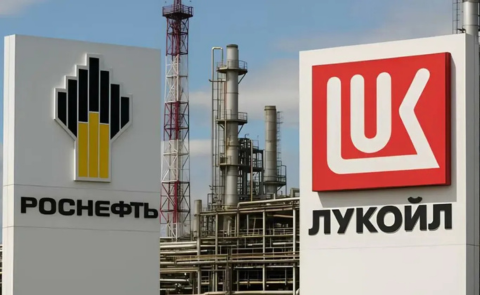
On October 22, 2025, U.S. President Donald Trump imposed sanctions on Russia’s oil giants, Rosneft and Lukoil. The move has clear geopolitical motives—to remove a major supplier from an oversupplied oil market. Indian oil companies, key buyers of Russian crude, now face pressure to cut imports, undermining India’s energy diversification and shaking global oil markets, including the U.S. economy.

Website articles  (4) Courtesy: Indian Embassy in Moscow / FB
30 October 2025

India in Russia’s polycentric world order

The Valdai 2025 conference’s single confirmation was this: Russia believes the post-Western world is already functioning. It is no longer seeking to re-enter Western-led institutions; it is building around them. The polycentric world is like a network, not a hierarchy. No one needs to choose a camp.

EU's India Strategy Courtesy: Reuters
30 October 2025

EU’s new India strategy

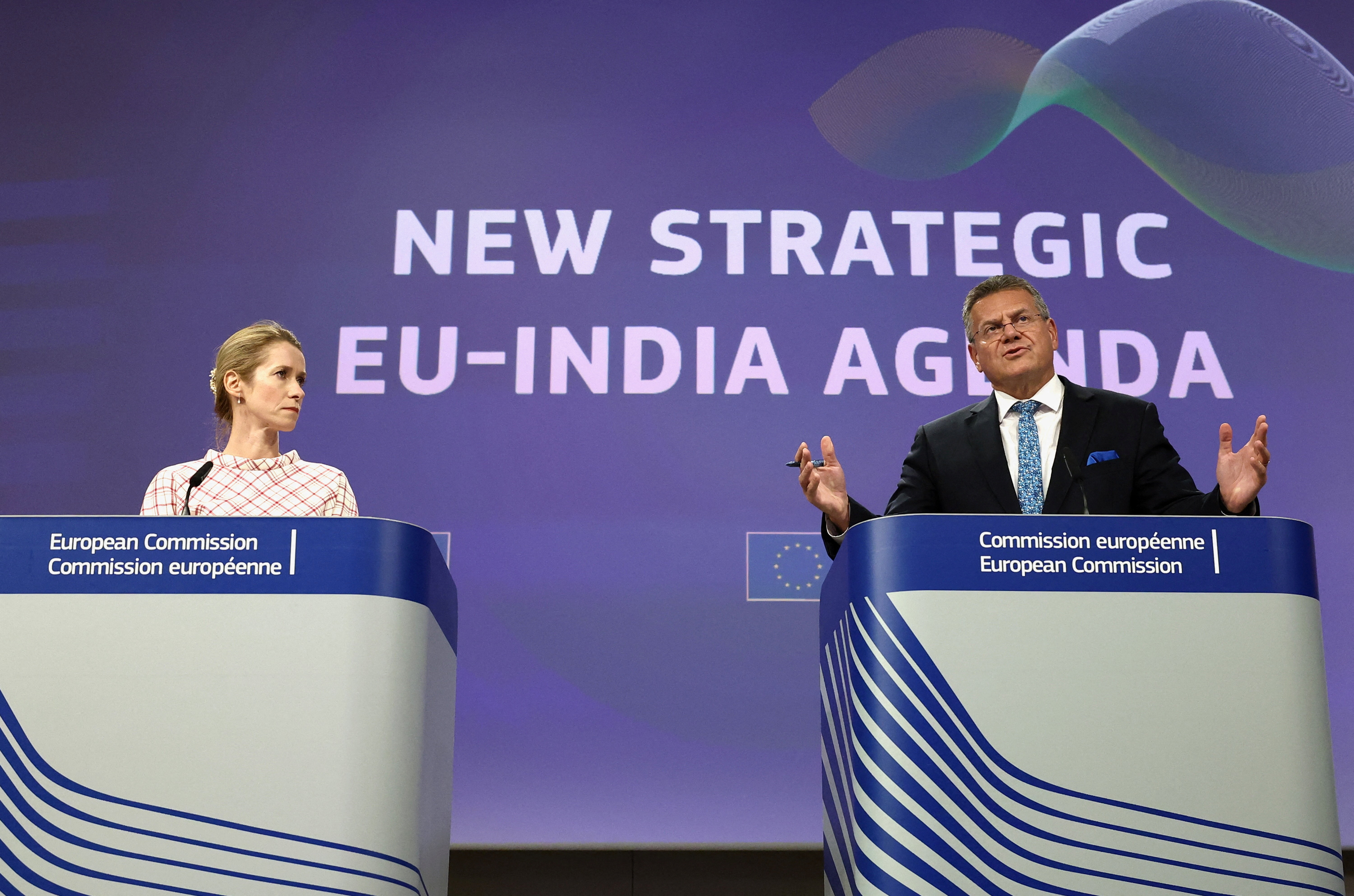
Despite over a decade of negotiations, the EU-India FTA remains stalled. The New Strategic EU–India Agenda released in October 2025 seeks to elevate ties, positioning India as central to Europe’s multipolar vision. Yet contradictions persist: Europe’s normative approach and India’s multi-alignment strategy diverge. Connectivity and infrastructure remain conceptual. Now, success depends on the EU’s ability to match rhetoric with resources, flexibility, and strategic patience.