BERNAMA Courtesy: BERNAMA
13 February 2025

High expectations of Malaysia as ASEAN chair

Malaysia’s chairmanship of ASEAN in 2025 is pivotal. It will have to steer ASEAN toward regional peace, stability, and prosperity while reinforcing its centrality. All this during a time of heightened geostrategic rivalry, economic deglobalisation, rising protectionism, and nationalist trends.
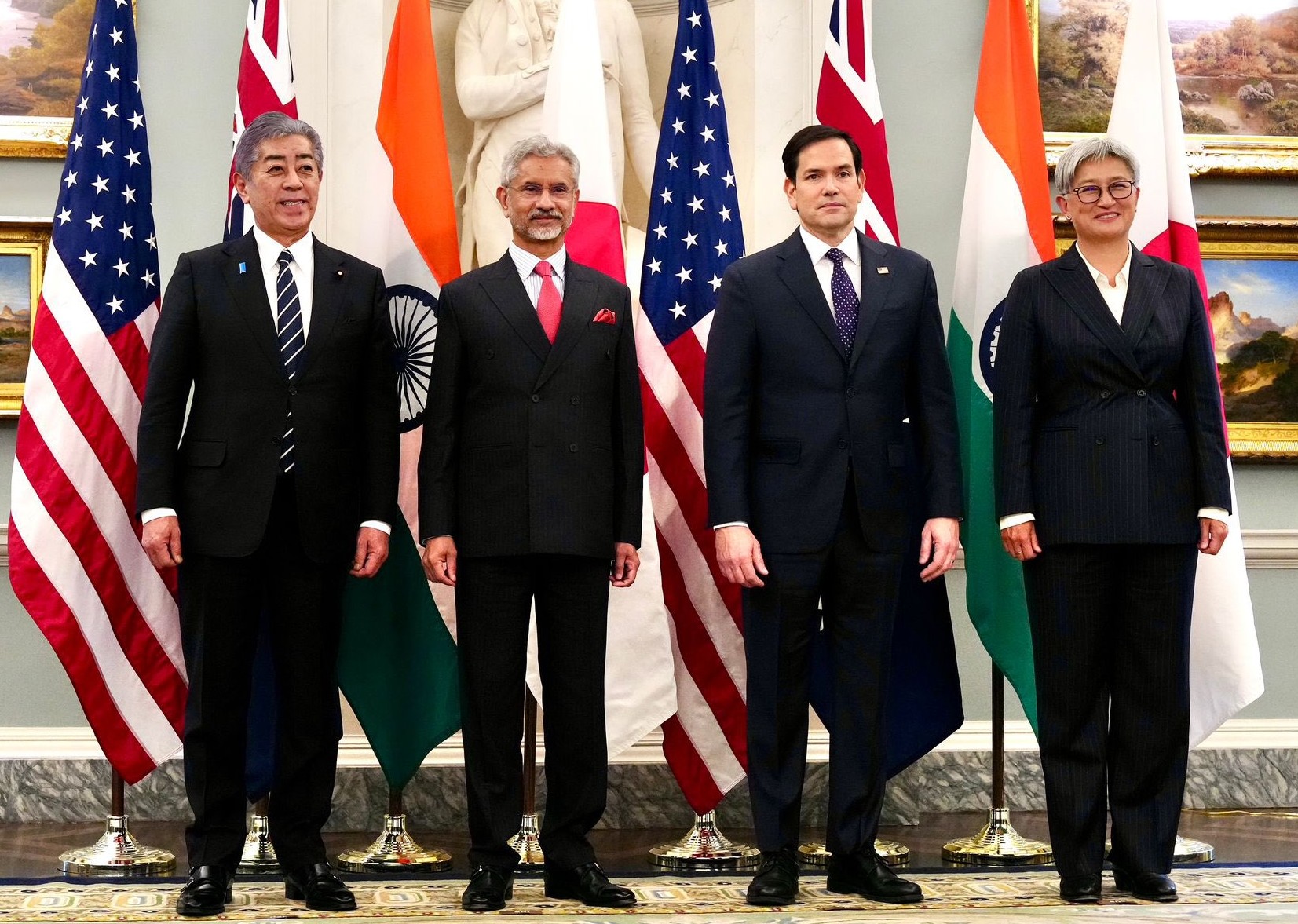
Quad meeting Courtesy: X
13 February 2025

Where is the Quad heading in 2025?

The first plurilateral meeting attended by new U.S. Secretary of State Marco Rubio was the Quad, a day after assuming office. The meeting reinforced the commitment to the Indo-Pacific but with the change in government, the Quad's trajectory in 2025 remains a question. Part of the answer lies in its past interactions, while the rest depends on how the U.S. and India will approach China.

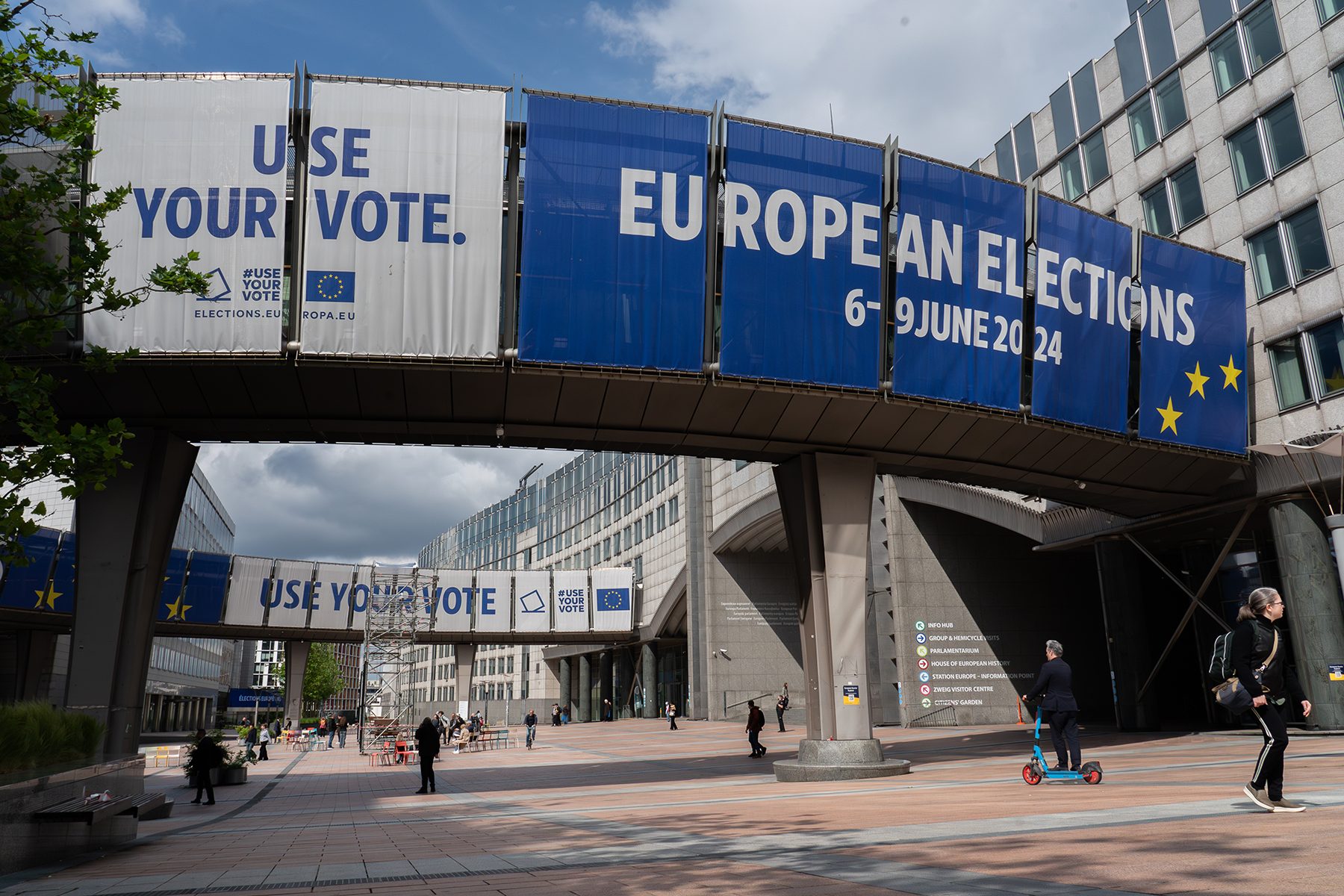
20240603PHT21803_original Courtesy:
13 June 2024

What the EU elections mean

The European Parliament elections have thrown up a win for the right-wing parties – quite a change from the previous centre-left composition. There will be repercussions for the EU and domestic policies of the member countries. Is this election an indication of a future Europe turning right, or is it a reaction to domestic situations individually within states?

3d25bf28-0a5a-4e50-ad23-96c8659aca34 Courtesy: Bayerischer Rundfunk
16 May 2024

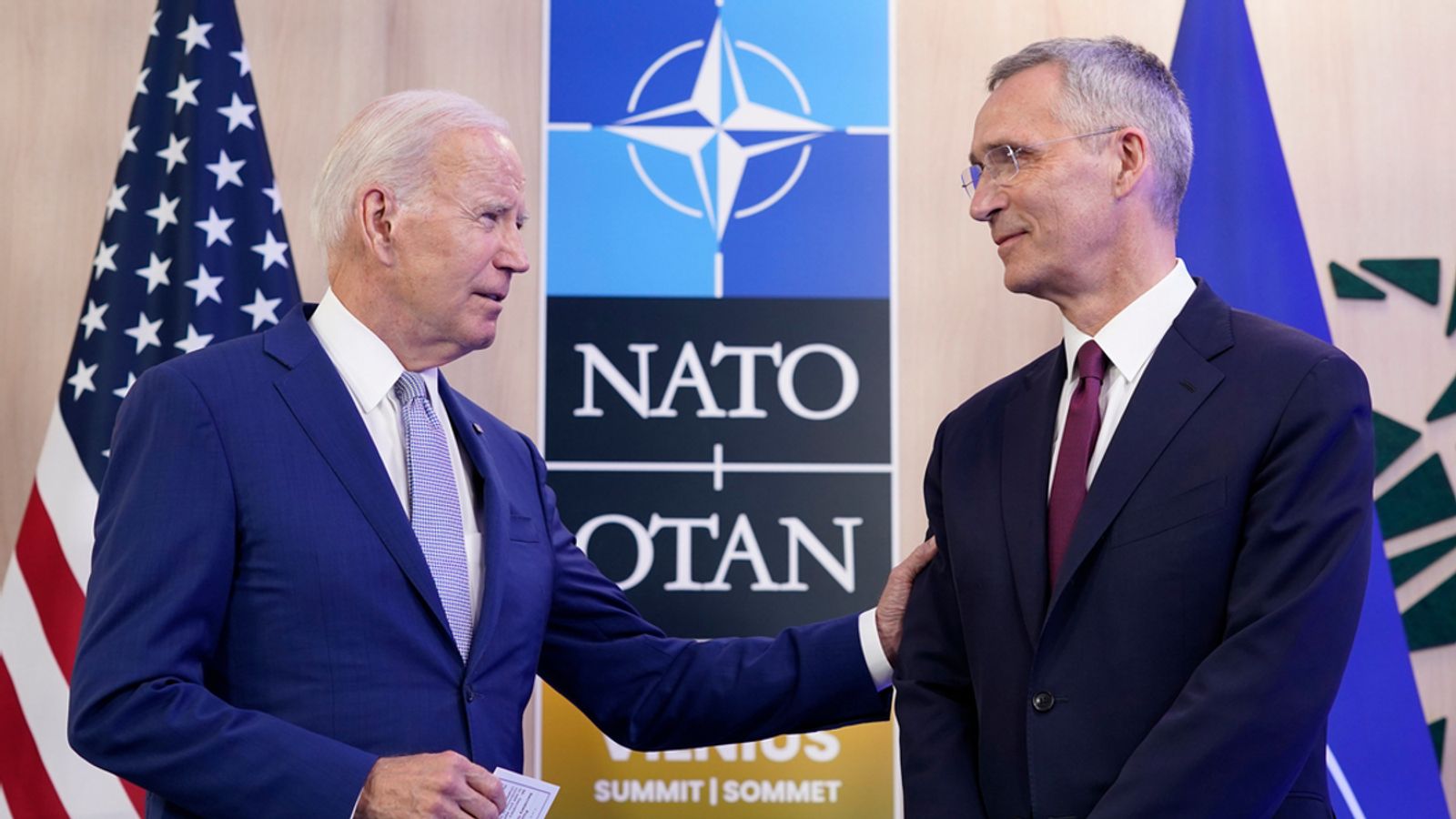
NATO@75

The North Atlantic Treaty Organisation turns 75 this year. It has exceeded its original mandate of a collective defence for Europe and is expanding rapidly. From restraining the rise of Russia, it is now seeking non-NATO allies in Asia who wish to restrain China. This requires a nimbler, more dynamic alliance. Can NATO respond to the transformation?

20231118_TWLDD002 Courtesy: The Economist
4 January 2024

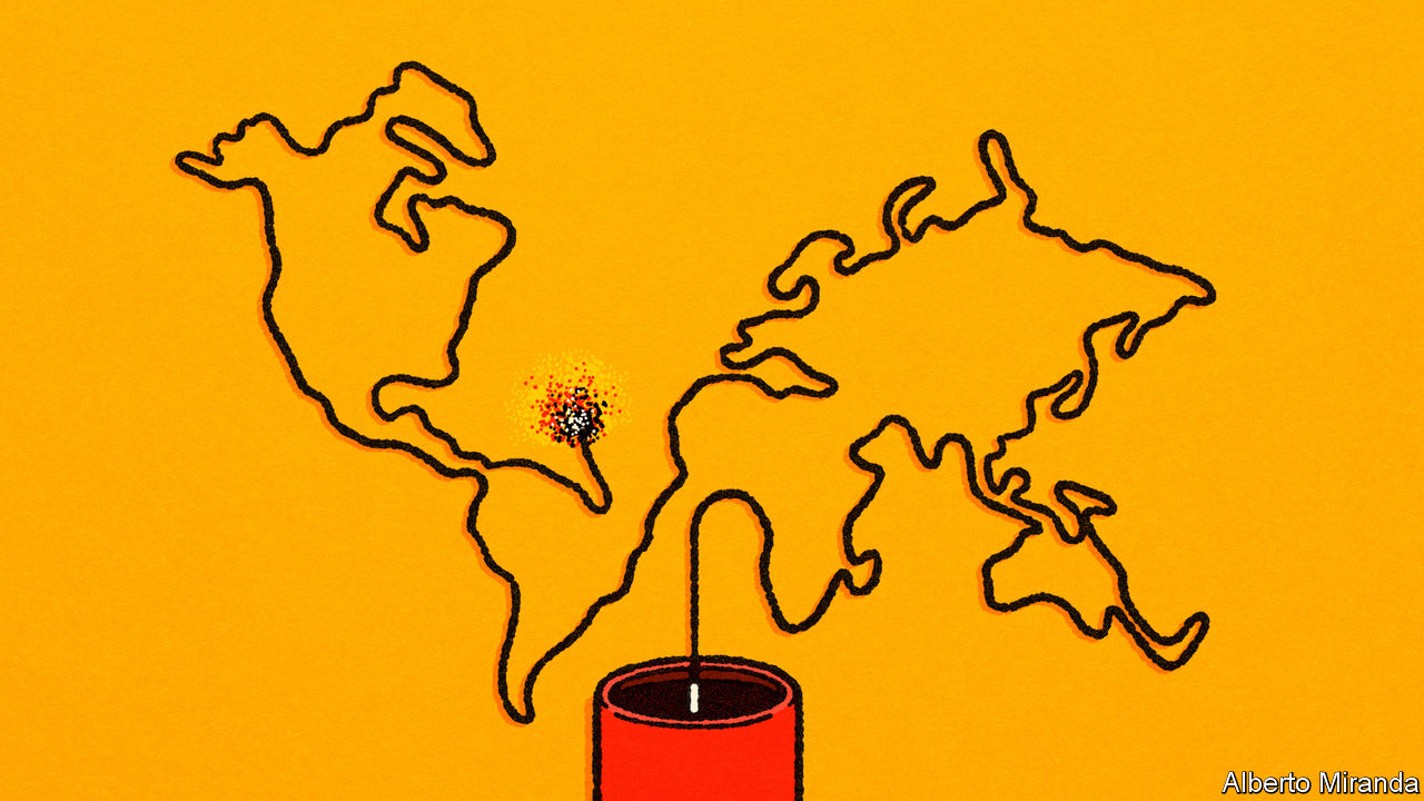
Reading the tea leaves for 2024

After a year affected by a sustained polycrisis, global geopolitics in 2024 remains a delicate dance between hope and realism. Ongoing conflicts in Ukraine and Gaza cast uncertain shadows, while Taiwan and the South China Sea present potential flashpoints. Indian diplomacy will have to navigate old and new challenges, while promoting India’s expertise in digital technology, as also managing its own upcoming parliamentary elections.

G20-1 Courtesy: Times Now
16 November 2023

The road ahead for G20

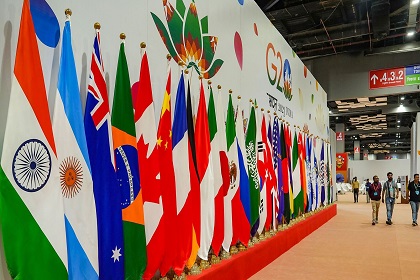
The outbreak of the Israel-Hamas war less than a month after the conclusion of the New Delhi Summit has heightened the geopolitical anxieties that hovered over India’s G20 presidency year. As the baton passes to Brazil, purposeful action, careful diplomacy and managing conflicting interests will be key to the implementation of the Summit’s commitments.

European Commission President Ursula von der Leyen speaks during a news conference in Brussels on July 15, 2020, after a virtual summit with the Indian Prime Minister. (Photo by YVES HERMAN / POOL / AFP) (Photo by YVES HERMAN/POOL/AFP via Getty Images) Courtesy: CSIS
9 November 2023

Europe’s Challenges in the Indo-Pacific

Europe's increased focus on the Indo-Pacific and the deepening economic and technological collaboration with India offer mutual benefits. However, the EU's ambivalent approach towards China, and the desire of most European states to maintain neutrality in the U.S.-China rivalry might not be sustainable in the long run.

G20-summit_1694162173461_1694162174049 (1) Courtesy: Mint
5 October 2023

The Geopolitics of G20

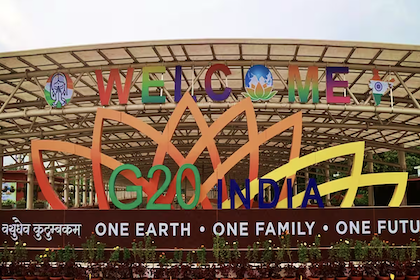
The G20 summit in India and developments on its sidelines like the announcement of the IMEC, multiple bilateral meetings held by Prime Minister Modi, will all have long term geoeconomic and geopolitical impact. These, along with the summit deliberations and outcome are key to assess the future prospects of great power relations.

Screenshot 2023-09-20 at 1.54.47 PM Courtesy: Indian Express
21 September 2023

Assessing outcomes of the G20 summit

The New Delhi Leaders' Declaration breaks new ground key areas like climate finance, digital public infrastructure, trade, and multilateral reform. While the declaration is backed by unanimous consensus and outlines ambitious and wide-ranging goals, the actual extent of its implementation can only be assessed in the medium term.

BRICS 2 website Courtesy: Fox News
31 August 2023

BRICS-XI, the new configuration

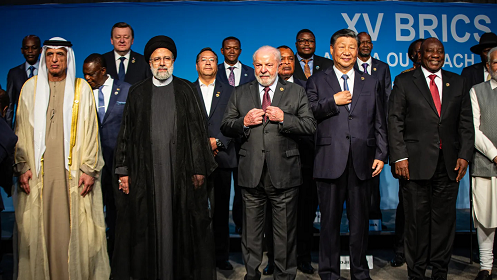
The decision to invite six countries — Argentina, Egypt, Ethiopia, Iran, Saudi Arabia, and the UAE — to join BRICS as full members has opened the grouping to a new geopolitical era. India can now play a seminal but challenging role in this evolved dynamic, given its growing cooperation with the West on the one hand and its active pursuit of the interests of the Global South on the other.