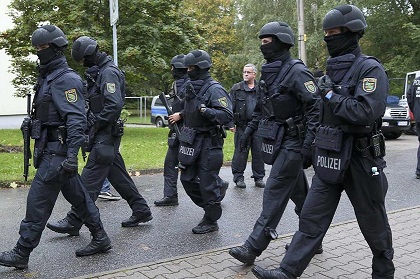
The German civil security industry is in the throes of change: it was once an avenue of employment for the less educated or the jobless. Today, companies are increasingly selling comprehensive security solutions. India will gain by being prepared for such trends and technological innovations
China has expanded its presence in the Indian Ocean Region. President Xi Jinping has abandoned Deng Xiaoping’s conciliatory posture for an aggressive, money-fuelled search for super power status
China’s credit-led growth is likely to lead to a fairly severe economic crisis in the next two or three years. Recent research suggests that the current tactics may boost short-term growth, but harm its long-term prospects. Time is running out for the country’s ambitious policy-makers
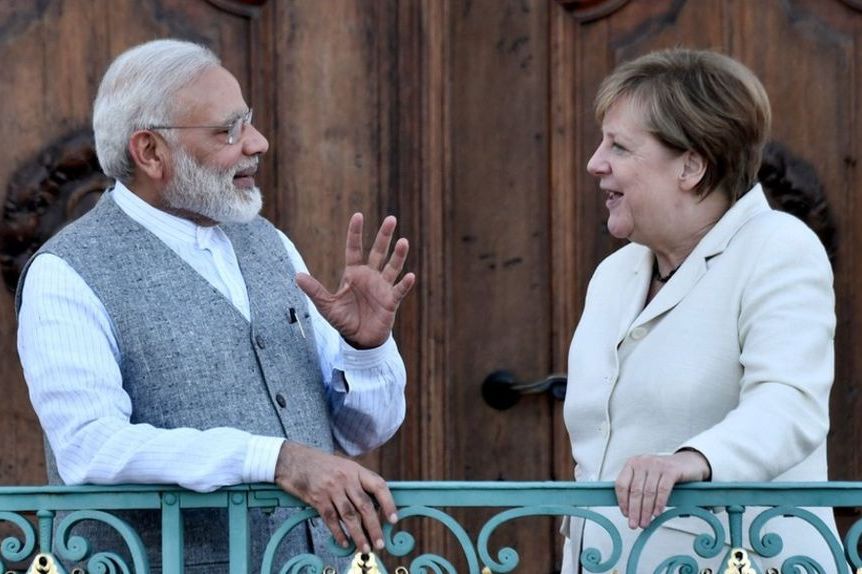
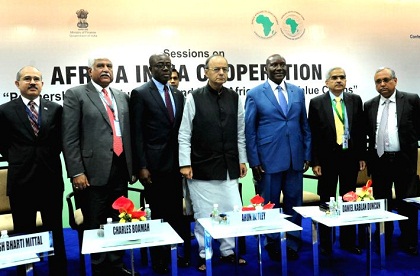
Germany and India have revealed a dual priority for Africa: creating opportunities for prosperity and promoting stability. For both, these are uncharted waters and represents a shift in the locus of global dynamism, away from an Anglo-Saxon world order to a more diverse yet potentially fissiparous one
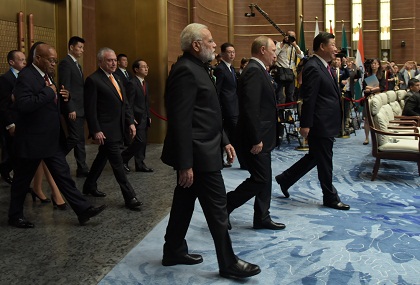
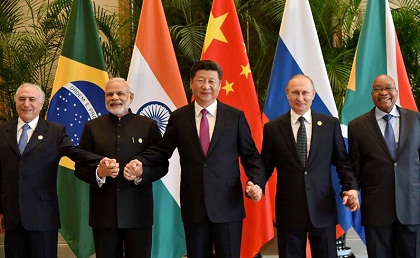
The ninth BRICS summit represented the victory of pragmatism over narrow nationalistic impulses. All BRICS members are likely to craft the grouping’s future script as it enters its second decade, but more crucially, the Big Three will have to show a large dose of statesmanship
BRICS, which has always been committed to enhancing solidarity, is now entering its second decade – even as tensions between its two most consequential members remain unresolved and member states and other emerging markets are set to serve as “the main engine” of global growth
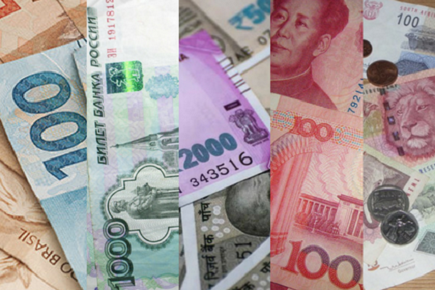
The multi-polar world that BRICS nations seek is not a reality yet and the differences between them do exist. But the BRICS summit in September offers leaders an opportunity to examine a few important financial issues before they can dictate the global agenda
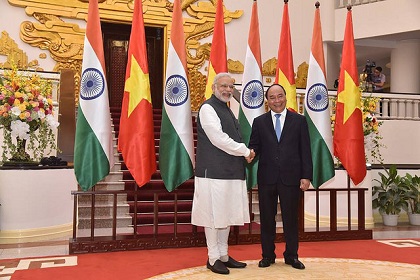
Vietnam has the highest level of bilateral relationship—or ‘Comprehensive Strategic Partnership’—with three countries: China, Russia and India. It envisages a much more active role in the region for India, but many factors mar such a development currently
Three epoch-making events in 2016 are continuing to have global repercussions. They were: Brexit, China’s rubbishing of the July verdict of the Permanent Court of Arbitration after it rejected its claims on disputed islands in the South China Sea, and Trump’s election. This article, the prologue to a book-in-progress, The Hinge Year – Geopolitical Dislocations and Dispersals, outlines how these events intersect with transformed geoeconomic realities
India seems to have departed from catch-all, overarching initiatives in Africa to rather more nuanced ways of making its contribution felt, such as helping fashion G20’s ‘Compact with Africa’. Many countries are also keen to avail of Indian companies’ knowledge and experience of investing in Africa and the presence of the large diaspora—and such trilateral cooperation is to be welcomed