West Asia: Distortions Revealed
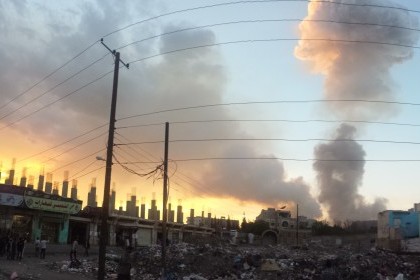
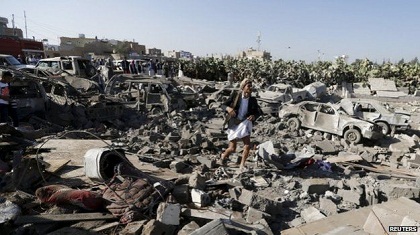
The proxy battle for supremacy between Saudis and Iranians is highlighted by Saudi Arabia bombing Yemen this week. These distorted wars can pull Pakistan into a West Asian identity, amid blood and tears
Courtesy: Reuters
The proxy battle for supremacy between Saudis and Iranians is highlighted by Saudi Arabia bombing Yemen this week. These distorted wars can pull Pakistan into a West Asian identity, amid blood and tears
Courtesy:
With the growth of the Islamic State and of terrorist groups in Africa and other parts of the world, global coordination to combat terrorism is imperative. Prime Minister Narendra Modi has urged the UNGA to adopt the Comprehensive Convention on International Terrorism, but divergent national interests remain a hurdle
Courtesy: U.S. Staff Sergeant Aaron Allmon
Obama’s strategy to target the IS in Syria within the framework of a U.S.-led international coalition has met with a tepid response. There are reports that the U.S may offer India a non-NATO ally status during Modi’s upcoming visit in a bid to seek greater support – a gesture that India will do well to disregard.
Courtesy: Synthesio.com
Many Arab Republics are mired in political discord after the departure of the old tyrannical regimes opened up spaces for new struggles. In Iraq, Yemen, Libya, and Sudan, attempts to address the turmoil through constitutional reform are facing challenges. Will a democratic federalism be attained when the battles are done?
Courtesy: Wikipedia.org
The rise of the militant ISIS will alter the stability and future of all West Asian countries, and can impact India in multiple ways. India must re-evaluate its West Asia policy, and address the safety of its nationals in Iraq, the security of its oil supplies, and the fallout on South Asia of this resurgence of strife
Professor Madhav Nalapat, the director of the School of Geopolitics at Manipal University talks of the Wahhabi winter sweeping West Asia. In an interview to Manjeet Kripalani, Co-founder, Gateway House, he speaks of the need to include regional experts and religious leaders to deal with its impact on India
Courtesy: W123/WikimediaCommons
Whether backdoor geopolitics rather than careful negotiations brought about the interim agreement on Iran’s nuclear programme, the next six months will determine its fate. Reactions have ranged from a furious and mistrustful Israel to collective relief by many countries, and a worried India welcoming the agreement
Courtesy: WikimediaCommons
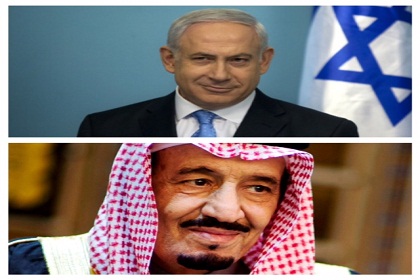
This daily column includes Gateway House’s Badi Soch – big thought – of the day’s foreign policy event. This Badi Soch analyses the implications of France’ kowtowing to Saudi Arabia and Israel’s demands in the P5+1 talks with Iran.
Courtesy: generalising/Flickr
The India-Japan alliance needs to be viewed through a prism broader than that of "containing" China, and by treating the Indian and Pacific oceans as a single entity. Such an alliance has the potential to strengthen the geopolitical security of India and Japan, along with that of all their allies and associates
Courtesy: United Nations
The recent UNSC Resolution, which mandates the complete destruction of Syria’s chemical weapons, demonstrates that after more than a year, a degree of international agreement on the Syrian issue has been possible. In the evolving situation, Russia will now emerge as a major player