Website articles  (5) Courtesy: PTI
9 May 2025

Three messages from Operation Sindoor

Operation Sindoor conveyed three messages: First, to Pakistan that it will have to bear the consequences of continuing to support terrorism. Second, to terrorists, that Bharat will inflict the same pain, if not more, than they inflict on Indian citizens. Third, to the world, that Bharat is resolute in responding to terrorism in a “measured, non-escalatory, proportionate, and responsible” manner.

Website articles  (3) Courtesy: Agence France-Presse
8 May 2025

How China can assist Pakistan post Pahalgam

India-China relations, undergoing a thaw since October 2024, have been slow to mend. In this scenario it is worth examining what assistance China can give Pakistan in case of military action by India, post Pahalgam. The state of play on the India-China border will also have a major implication for this.

ajit-doval-wang-yi Courtesy: Indian Express
2 January 2025

Unfolding Geopolitics, Episode 17 | Navigating the India-China bilateral

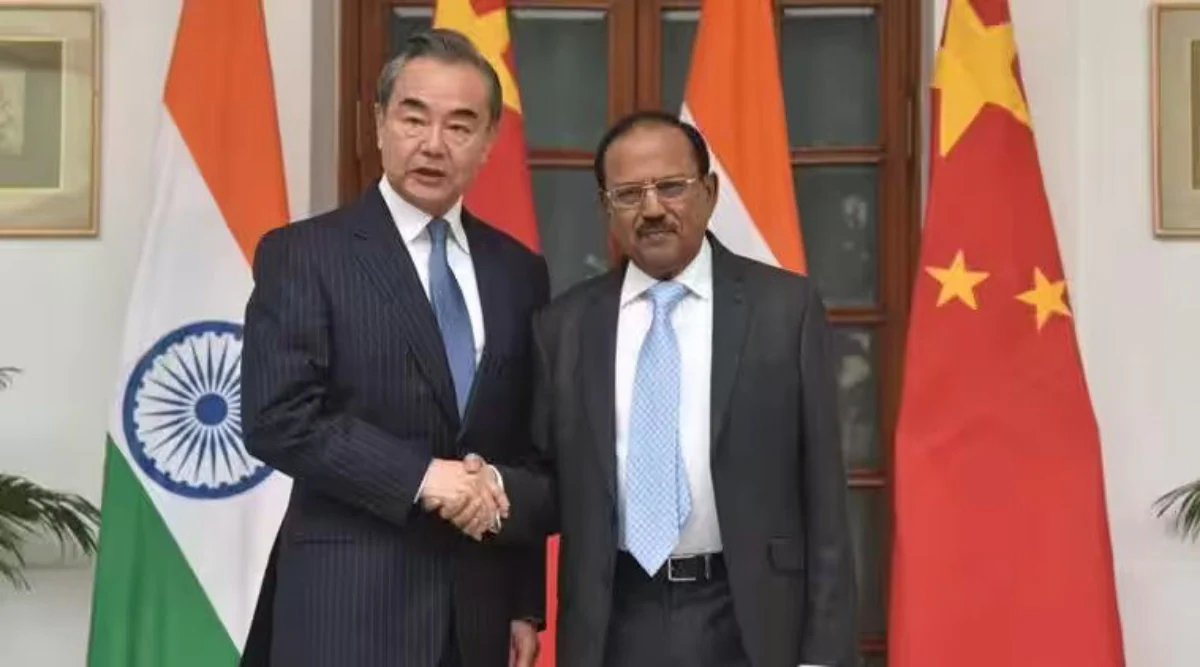
On December 18, India’s National Security Advisor Ajit Doval and Chinese Foreign Minister Wang Yi met in Beijing. This came two months after Prime Minister Modi’s bilateral meet with President Xi on the sidelines of the BRICS Summit in Russia. Lt Gen S L Narasimhan, Adjunct Distinguished Fellow, National Security and China Studies, discusses recent developments in India-China ties and how New Delhi can manage its complex relationship with Beijing.

india china Courtesy:
18 July 2024

Narrowing the military gap

Comparing India and China’s defence forces reveals that it is more than just a numbers game. Increased defence spending and modernization with AI and quantum computing has given China a substantial edge over India’s military capability. India is working to close the gap with an energetic focus on indigenous procurement and expanding international exercises.

231207084123-xi-jinping-eu-leaders-120723 Courtesy:
23 May 2024

Xi’s diplomatic push in Europe

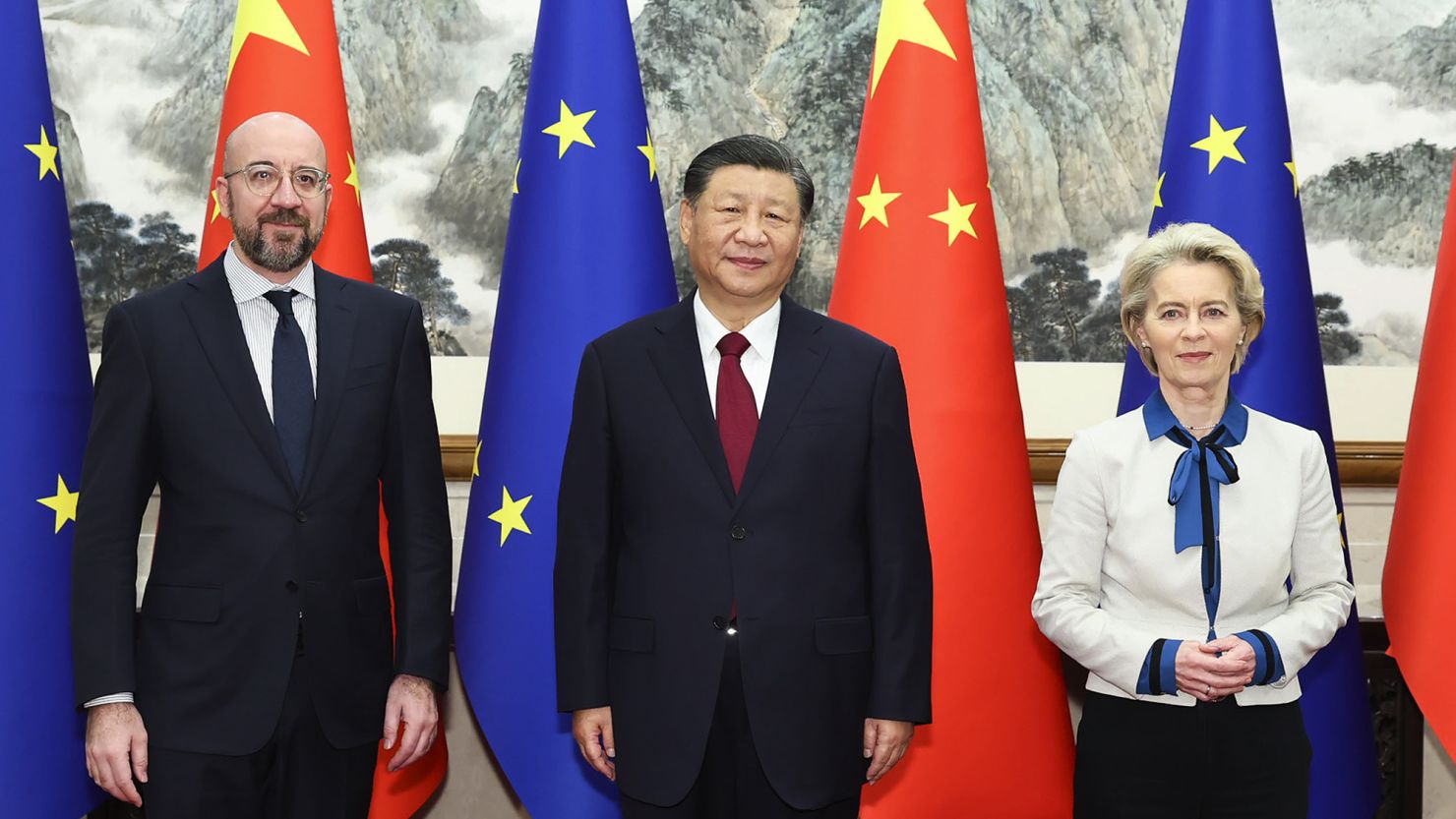
Chinese President Xi Jinping's three-nation tour to France, Serbia and Hungary in early May highlighted China's aim to bolster ties and navigate shifting global power dynamics. The trip's implications are significant for all major powers, including India, which must inject more creativity and energy in building up its strategic partnerships with G7 nations after the elections.

3d25bf28-0a5a-4e50-ad23-96c8659aca34 Courtesy: Bayerischer Rundfunk
16 May 2024

NATO@75

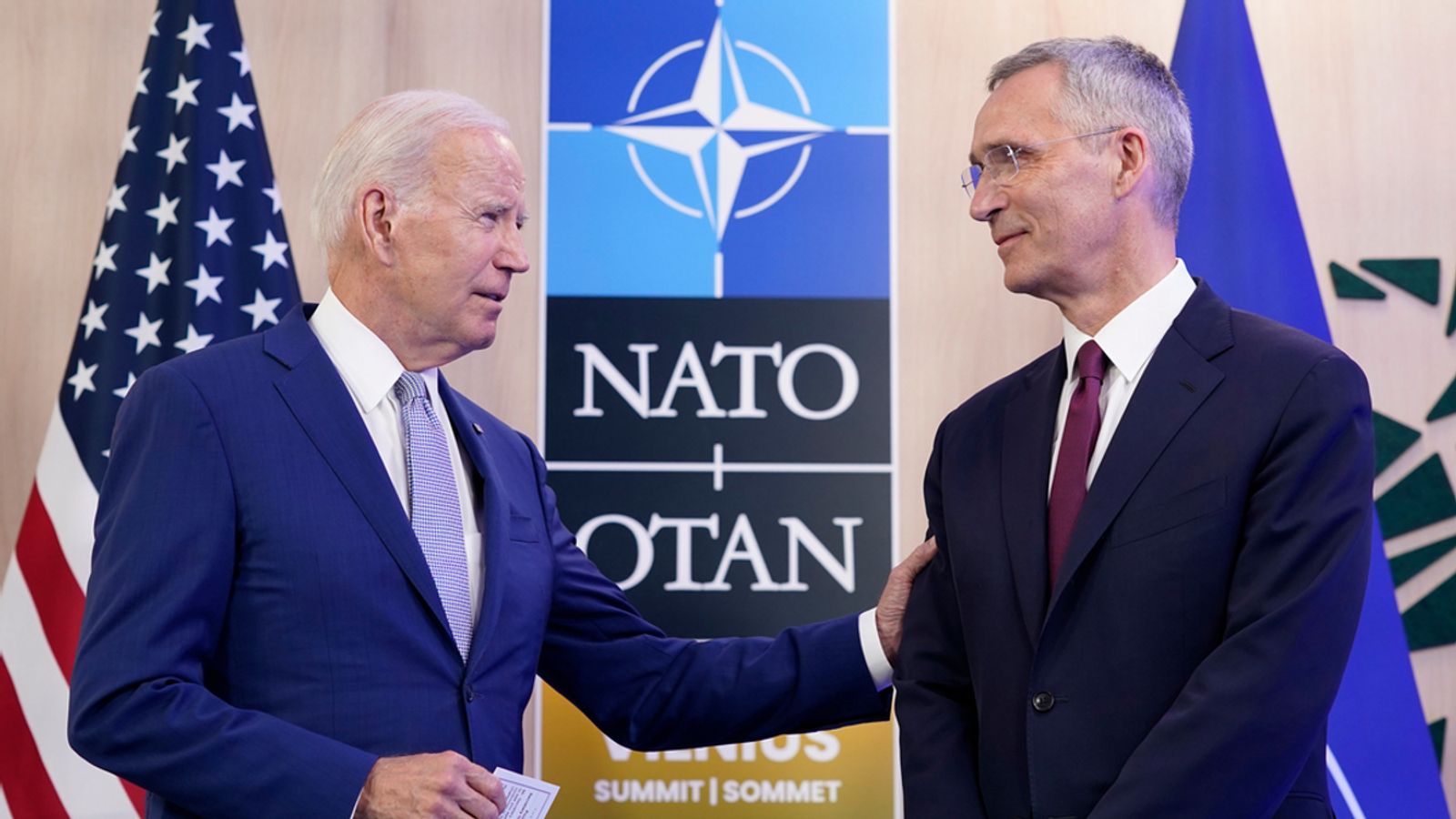
The North Atlantic Treaty Organisation turns 75 this year. It has exceeded its original mandate of a collective defence for Europe and is expanding rapidly. From restraining the rise of Russia, it is now seeking non-NATO allies in Asia who wish to restrain China. This requires a nimbler, more dynamic alliance. Can NATO respond to the transformation?

Indo-pac regaining salience Courtesy: CGTN
18 April 2024

Indo-Pacific’s shifting seas

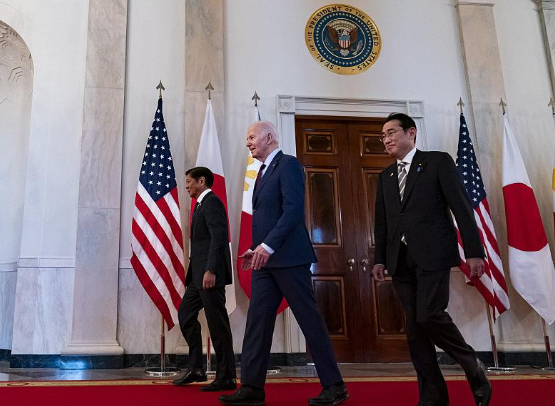
China’s hostile actions in the East and South China Seas have led to a deepening of naval partnerships within the Indo-Pacific such as the U.S., Japan, Philippines, Australia and South Korea. As crises in West Asia escalate and the strategic contest between the U.S. and China hardens in the Pacific Ocean, India – placed strategically in the Indo-Pacific – can’t neglect either the west nor east.

Balochistan Violence Courtesy: The Hindu
18 April 2024

Spiraling violence in Balochistan

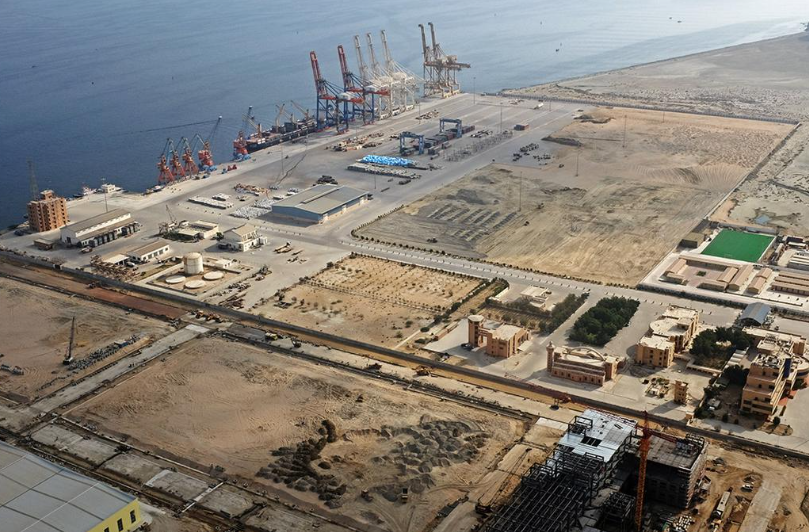
Long treated by Pakistan as a colony, Balochistan has seen several high-profile attacks by locals against Chinese interests. The growing unrest in the region reflects Islamabad’s failure to address key development issues. With less than 10% of this year’s federal budget earmarked for development, it appears that the only means of quelling the violence is more repression.