A new, consensual world order
The era of globalisation is drawing to a close and a new one is emerging—an era of bilateralism over globalisation, of domestic over foreign focus, and reality-based policy-making

 Courtesy: IB Times
The era of globalisation is drawing to a close and a new one is emerging—an era of bilateralism over globalisation, of domestic over foreign focus, and reality-based policy-making
 Courtesy: Gateway House
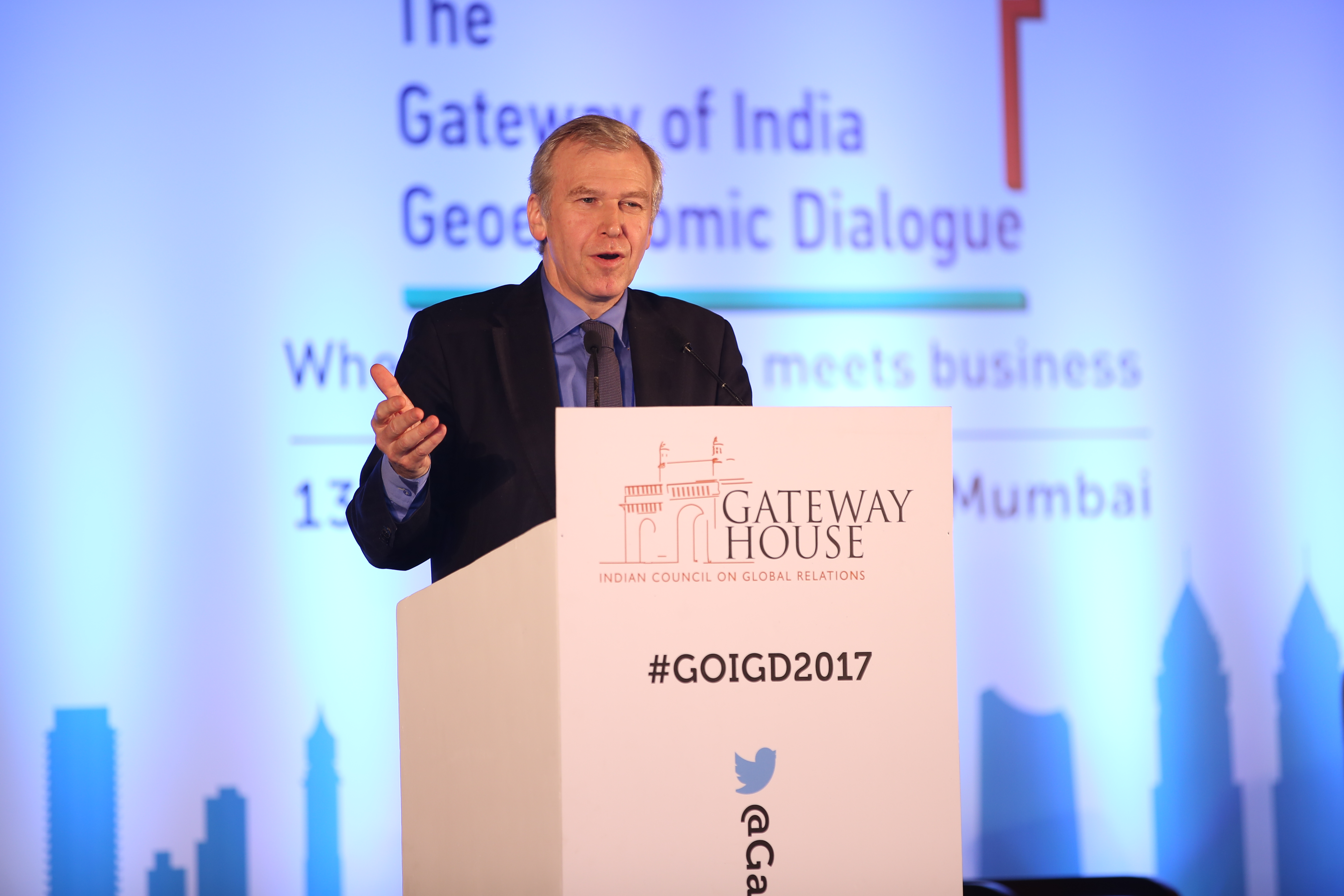
His Excellency Yves Leterme, Former Prime Minister of Belgium, Secretary General, International IDEA delivered the Inaugural Keynote I on Europe at the Crossroads at 2017 T20 Mumbai meeting hosted by Gateway House on 13 February. Leterme's speech effectively explains the changing politics of global capital with the rise of new economies with respect to Europe and it's position in the world today.
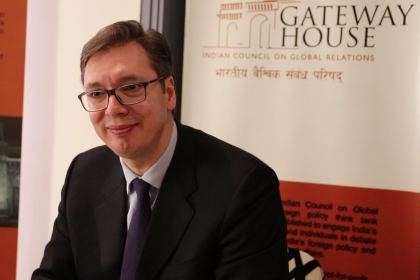
Serbian Prime Minister Aleksandar Vučić, who was in India to attend the ‘Vibrant Gujarat 2017’ Global Summit earlier this week, was hosted by Gateway House as he passed through Mumbai. Gateway House spoke to him about the need to improve the economic relationship between two countries that have always shared a historically strong bond
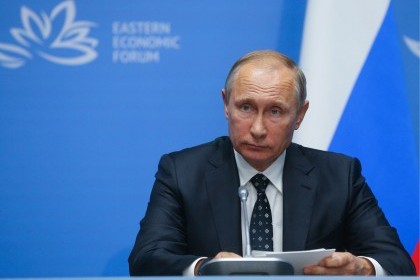 Courtesy: Eastern Economic Forum
The Second Eastern Economic Forum, held last month in Russia, could have been a time for India to forge stronger trade links, but the governments of both countries have to be more supportive before this can happen.
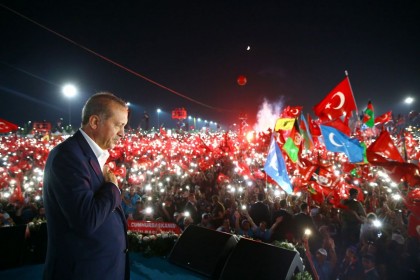 Courtesy: Yahoo
The July coup in Turkey did not achieve its objective of eliminating President Erdogan, who has, ironically, emerged a ‘national hero.’ Does this signal a new beginning? An analysis of the factors impending upon the colossal repair-and-rebuild task before the country.
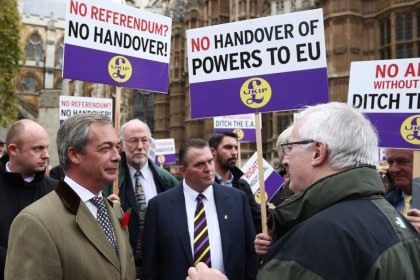 Courtesy: Business Insider
The message from Brexit is simple: the post-second world war financial, trade and industrial order and security arrangements that developed around Bretton Woods, have passed their expiry date. This is the time for countries, regional unions and global institutions to reform themselves – putting people instead of regulations and strategic objectives at the centre of their decision-making.
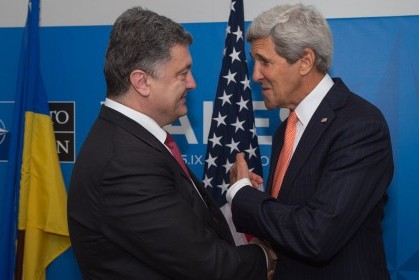 Courtesy: Wikipedia
The IMF will soon consider an important change to its policy on lending that may help continue its bailout programme to Ukraine, even if Ukraine defaults on a loan from Russia that matures in December 2015. If it does make the change, the IMF could be staking its credibility to favour the West’s political agenda
 Courtesy: Wikipedia
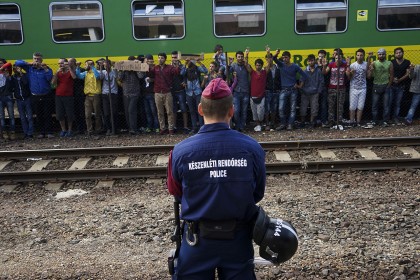
While the closing of borders to refugees in Europe and West Asia could be interpreted as proof that national borders are more important now than ever, the sheer numbers of refugees make strengthening borders a severely inadequate solution.
 Courtesy: Milos Bicanski (Getty Images)
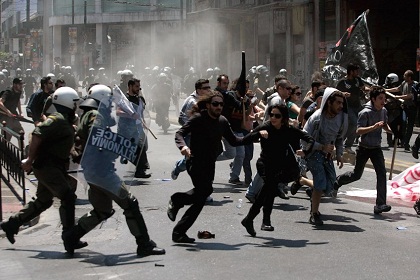
With the Eurozone portion of Greece’s $276 billion bailout credit expiring on June 30, Europe is in the midst of a standoff over this unsustainable debt. But it is only the latest in a number of Eurozone crises since 2008, and if the prospects for economic growth remain dim, how will the EU address its interlocking problems?
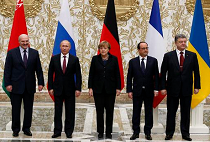
With the crisis in Ukraine worsening, Europe seems to have realised that the solution is not military, though the U.S may push to send in arms. Although no country wants a war with Russia, the conflict over Ukraine between the West and Russia could escalate. What are the future scenarios for the region and with what global implications?