SCO Goa meet unveils ‘big gulf of distrust’ between India and Pakistan
Our Distinguished Fellow for Foreign Policy Studies, Amb. Rajiv Bhatia, was quoted by WIONews on the SCO Foreign Ministers Meeting. Read the full report here.

 Courtesy: WION
Our Distinguished Fellow for Foreign Policy Studies, Amb. Rajiv Bhatia, was quoted by WIONews on the SCO Foreign Ministers Meeting. Read the full report here.
 Courtesy: India Shipping News
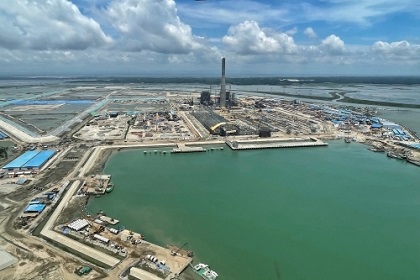
India’s Northeast is developing and getting close to its goal of being part of the Indian mainstream in connectivity and business – which is also critical for the success of India’s Act East Policy. For both goals, Bangladesh and Japan are invaluable partners and friends. The troika’s collaboration can be a model in the region.
 Courtesy: Mappr
India is rapidly increasing its economic engagement with Russia, and other former Soviet countries. This means it must look at old friends in Central Asia with new eyes. Uzbekistan is one of them. India is one of a quartet of geopolitical powers playing to the strategic interests of this nation which sits at the crossroads of South, East, West and Central Asia and Russia.
 Courtesy: Twitter / Hindustan Times
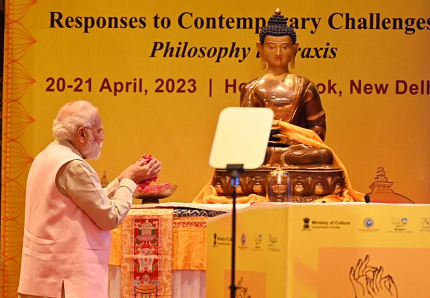
The first Global Buddhist Summit is being held in New Delhi this week, a continuation of India's strategic and diplomatic outreach to Buddhist countries in Asia. The Summit offers India an opportunity to deepen the dialogue on its shared, millennia-old transnational Buddhist legacy with these countries, and arrive at contemporary solutions for global conflicts using the lens of Buddha Dhamma.
 Courtesy: The Week
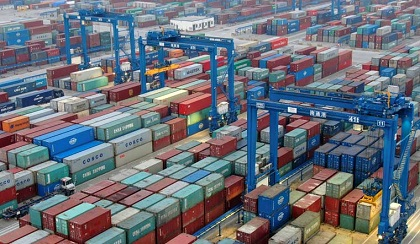
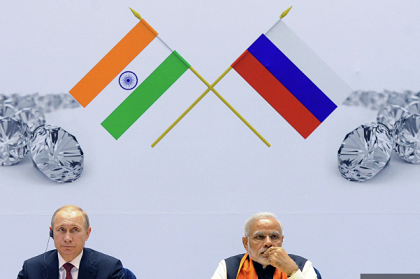
In 2022, increased sanctions were imposed on Russia by the U.S., E.U., and their allies. The track record of Western sanctions shows they are quick to be imposed, but slow to be removed. In the current environment, it is reasonable to assume that sanctions on Russia will stay in place for a very long time. India should plan its defence and commercial relations accordingly.
 Courtesy: Sputnik News
India’s G20 and SCO presidencies have both promise and complexity, for itself and for Moscow. India need not involve itself in crisis settlement, but focus on economic issues, food and energy security, innovation and terrorism. Moscow can help itself by aligning its interests with India’s especially at multilaterals and the global south outreach, and potentially rebuild bridges with the developed north.
 Courtesy: Deccan Chronicle
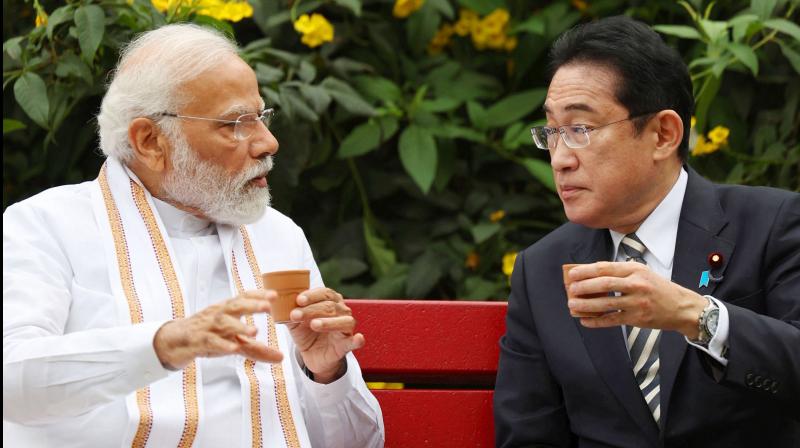
The Edo era in Japan adopted the Buddhist worldview that placed India at the center of the human world. This was reflected in their maps, till the mid-19th century. The geopolitical context of these spiritual maps wielded a profound influence on Japan’s Buddhist clergy and its laity, a world view that echoes the present.
 Courtesy: Economic Times
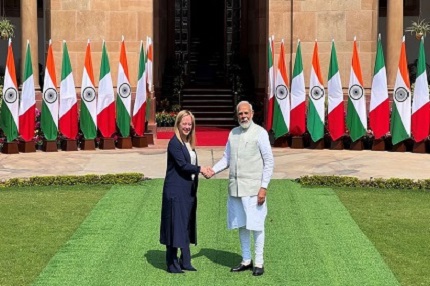
The state visit by Italian Prime Minister Giorgia Meloni on 2-3 March marked the elevation of the India-Italy bilateral to a strategic partnership. Both countries have set the stage for an expanding relationship based on shared interests and priorities in defence, security, trade, and energy sectors – domestically and in the broader Indo-Pacific region.
 Courtesy: Amazon India
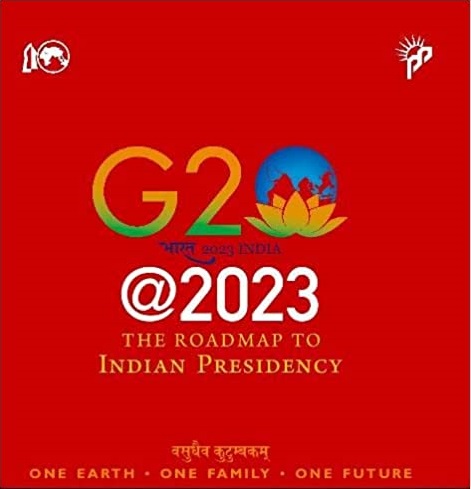
V. Srinivas’ survey of the G20 and India’s road to its presidency is a reader-friendly and informative work that bridges the information gap and offers an insightful scholarly analysis of the multilateral.
 Courtesy: United Nations Economic Commission for Africa
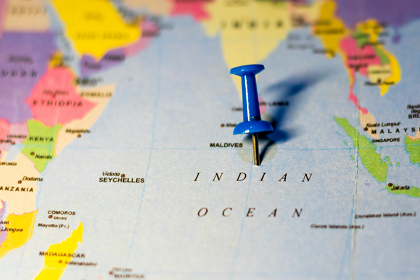
The Indo-Pacific is viewed by powers within and outside the region as both a strategy and policy to interpret the changing geopolitical dynamics in Asia and beyond. But the question of its geographical and geopolitical definition has varied. Opinions among governments and academics have traditionally differed, but over the years, a viable consensus for a wider definition of the concept seems to have emerged.