Diplomatic dimensions of Rohingya crisis
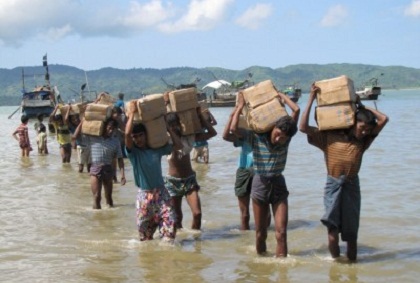
No easy solutions to this refugee problem are emerging despite the considerable international attention it has drawn. India has taken a pragmatic stand despite anxiety about deepening China-Myanmar ties

 Courtesy: Flickr
No easy solutions to this refugee problem are emerging despite the considerable international attention it has drawn. India has taken a pragmatic stand despite anxiety about deepening China-Myanmar ties
 Courtesy: Flickr/WhiteHouse
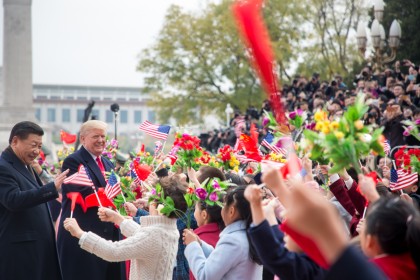
The visit yielded no dramatic breakthrough. But Team Xi finally got the respect and validation it desired, and deserved. Trump rightly praised China’s success in meeting its own development goals and contributing to global growth. But he is unlikely to soften his stance on jobs lost to China or the more vexing structural issues
 Courtesy: The American Bazaar
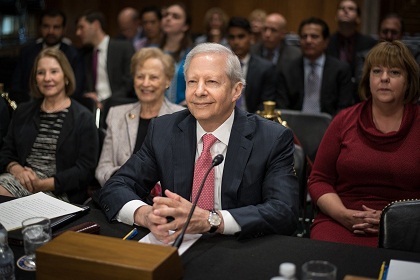
What does the appointment of Kenneth I. Juster as ambassador mean for the India-U.S. bilateral relationship? The two countries are now strategic partners on several fronts, but have some policy differences to resolve
 Courtesy:
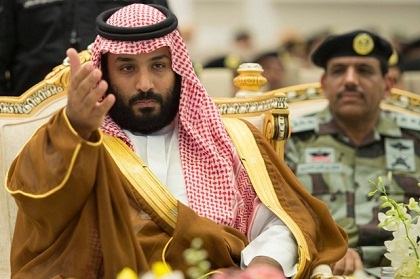
The removal of 11 top ministers in the Riyadh government last week by the young crown prince Mohammad bin Salman, is a geopolitical upheaval, the implications are serious. Domestically, the kingdom is seeking to liberalise its conservative society and move away from oil-dependency – evident from the expected listing of its crown jewel Aramco. For India, which imports oil largely from West Asia, instability could cause a spike in prices, leaving less for its ambitious reforms. Globally, there is now space for new alignments – in the Great Power plays, in the Shia-Sunni rivalry, and in the war on terrorism.
 Courtesy:
Indian President Ram Nath Kovind leaves for Africa on his first foreign visit as president on October 3. His first port of call will be Djibouti, which occupies a strategic location in the Horn of Africa. The country has assumed significance for hosting multiple foreign military bases on its territory, the latest entrant being China. This infographic illustrates Djibouti’s ‘military base’ diplomacy.
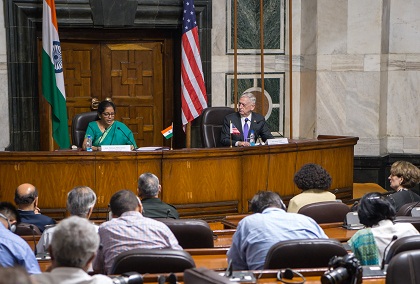 Courtesy: Jim Mattis/ Flickr
India and the Trump administration are on a mutually appreciative footing. Two significant visits have given the bilateral a renewed focus and both countries are seeking ways to put their strategic and political convergence into practice
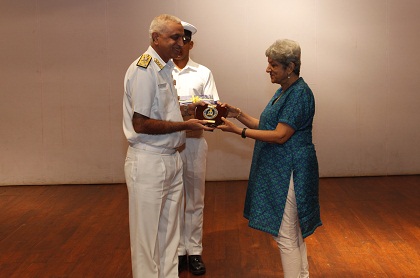 Courtesy: Western Naval Command
China has expanded its presence in the Indian Ocean Region. President Xi Jinping has abandoned Deng Xiaoping’s conciliatory posture for an aggressive, money-fuelled search for super power status
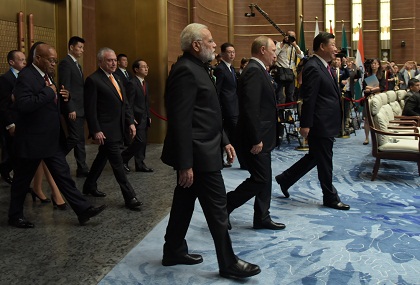 Courtesy: MEA/ Flickr
The ninth BRICS summit represented the victory of pragmatism over narrow nationalistic impulses. All BRICS members are likely to craft the grouping’s future script as it enters its second decade, but more crucially, the Big Three will have to show a large dose of statesmanship
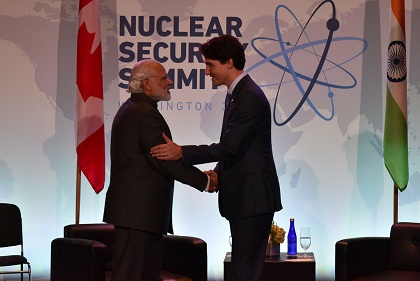 Courtesy: MEA/ Flickr
India hardly figures in current discourse on Canadian foreign policy. Yet, the two countries are important to each other: one, a source of investment, technology and energy, the other an attractive market. The current challenge is to conclude negotiations on long-pending trade and investment agreements
 Courtesy:
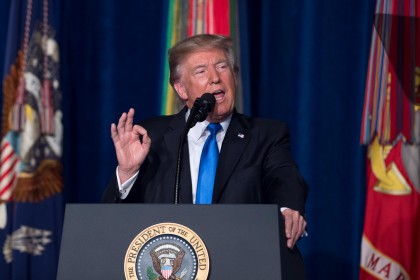
In yet another policy flip, U.S. President Trump announced a new strategy for Afghanistan and South Asia. While committing more troops to the region, he called out Pakistan as a 'safe harbour' for terrorism and called on India to do more. Ambassador Neelam Deo, Director at Gateway House, joins us to discuss the implications of this new direction and what it means for India.