28912263963_0b75893744_h Courtesy: MEA/ Flickr
14 February 2017

Indo-Pacific: a scenario of possibilities

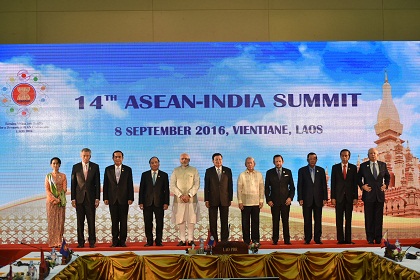
The Indo-Pacific region is home to some of the largest and most rapidly growing economies as also powerful military forces. Nuclear threats, international terrorism and climate change are some of the issues that define the region. Uncertainty dogs relations among the four nations in the top league—U.S., China, India and Japan—but what is emerging is a hawkish, policy stance from the U.S. as opposed to an isolationist outlook apprehended earlier

3W7A1029 Courtesy: Gateway House
13 February 2017

GOIGD 2017: Inaugural Keynote I by Yves Leterme

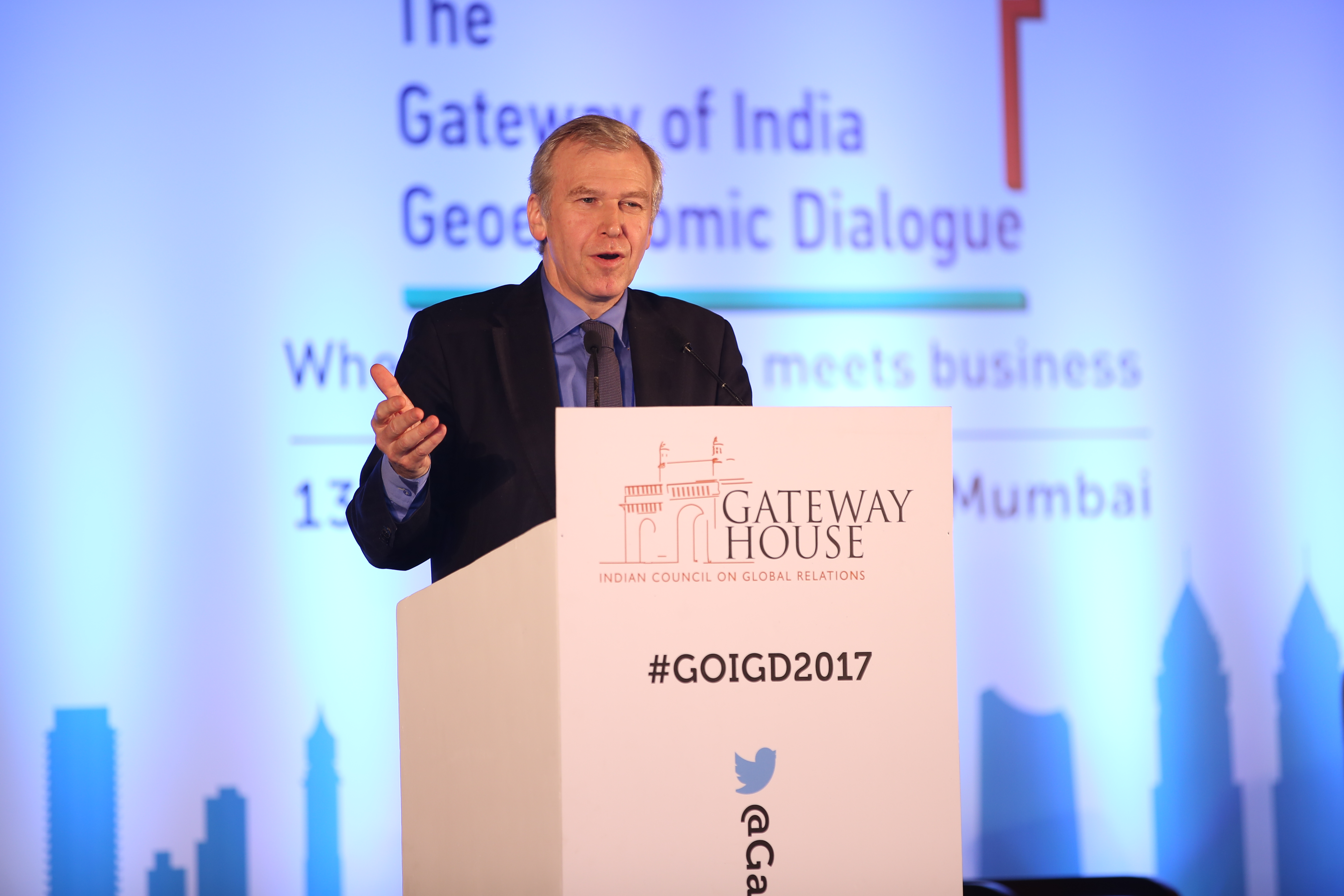
His Excellency Yves Leterme, Former Prime Minister of Belgium, Secretary General, International IDEA delivered the Inaugural Keynote I on Europe at the Crossroads at 2017 T20 Mumbai meeting hosted by Gateway House on 13 February. Leterme's speech effectively explains the changing politics of global capital with the rise of new economies with respect to Europe and it's position in the world today.

Reversal of Globalisation2 Courtesy: Systemic Alternatives
8 February 2017

Is globalisation in reverse?

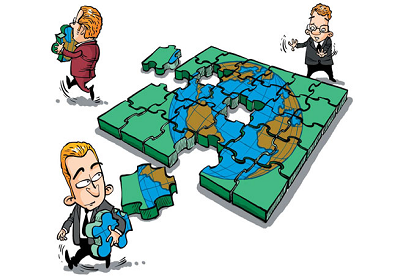
The contours of globalisation are being reshaped. The Brexit vote and the election of Donald Trump mark a strong anti-globalisation sentiment even as leaders in China, India and Russia successfully marry nationalist rhetoric with a cleverly crafted overseas strategy, premised on the very tenets of globalisation. There seems to be a ‘pause’ in the unbalanced progress of globalisation of the last three decades—and this could have many positive outcomes

5374e4111fc116307d4e734013dfc175 Courtesy: Yahoo
18 August 2016

Turkey’s fight for democracy

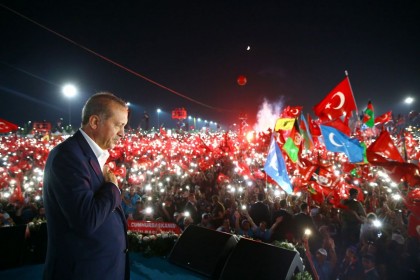
The July coup in Turkey did not achieve its objective of eliminating President Erdogan, who has, ironically, emerged a ‘national hero.’ Does this signal a new beginning? An analysis of the factors impending upon the colossal repair-and-rebuild task before the country.

NATO Courtesy: NATO/Flickr
21 July 2016

Brexit, NATO, EU: emerging dichotomies

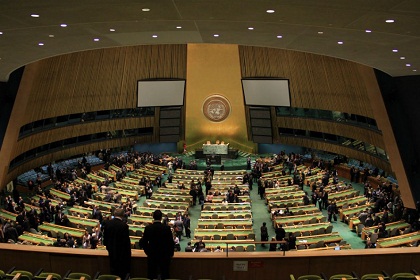
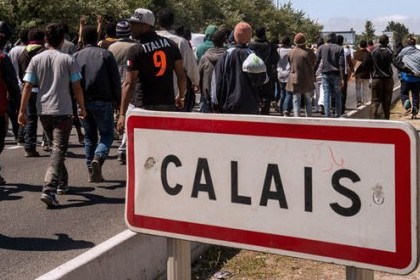
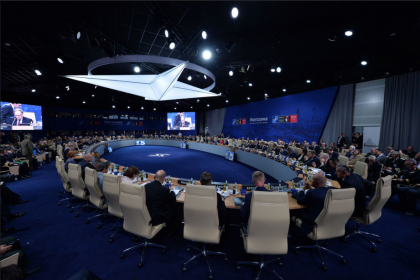
In the aftermath of Brexit, the recently concluded NATO Summit highlighted the emerging asymmetry between NATO and the EU on their respective policy positions towards Russia. Has the expansion of NATO and the EU to absorb Eastern Europe, and the consequent large migration flows, been responsible for the visible cracks within the Europe?