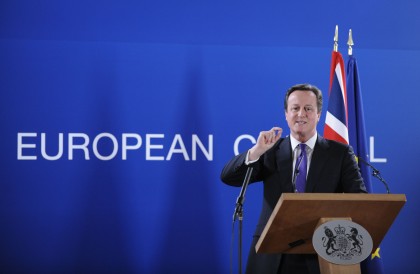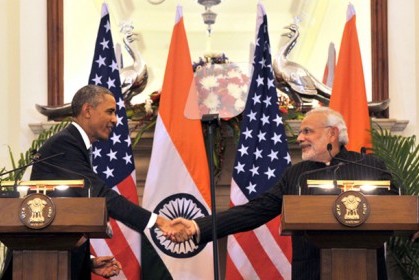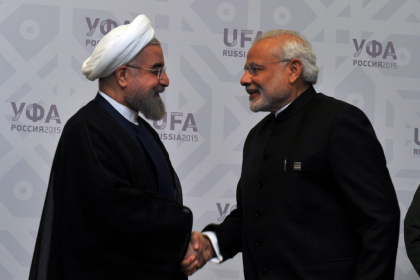
Prime Minister Narendra Modi’s foreign travels combine domestic and foreign policy to achieve India’s twin goals of national security and investment inflow. The leader-as-salesman is not new, and India is just catching up with the global norm
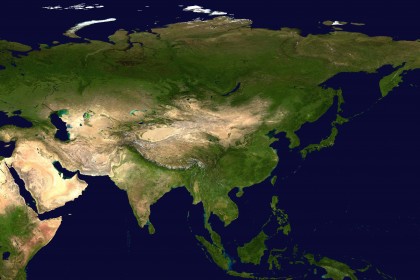
India must quickly recognise the evolving changes, challenges, and opportunities in Central Asia to avoid being relegated to the periphery of Eurasian trade AND geopolitics. It is now up to Prime Minister Modi to manage a rebalancing in Central Asia through diplomacy and cooperation rather than competition
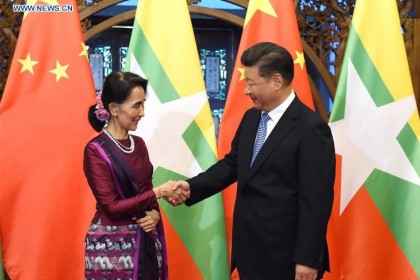
China’s Silk Road Economic Belt initiative will feature prominently on the agenda when Prime Minister Modi visits Beijing and Shanghai on 14 May. India can make a strong move to co-design the framework and details of this initiative – making it truly collaborative and win-win for all of Asia
Afghan president Ashraf Ghani visited India from April 27-29. Ghani accords a very different priority to India than his predecessors – both the timing and the outcome of his visit reflected this. He is choosing to play to Pakistan, by keeping India out of Afghanistan's security sector
Afghanistan president Ghani has placed his eggs in the Pakistani basket and is waiting to see whether its actions match the plentiful words. However, New Delhi knows it enjoys a depth of support in Afghan society and can bide its time while Ghani tests the waters, as he will likely reach the same conclusions as most others
Israeli defence minister Moshe Ya'alon’s recent offer of defence technology for Prime Minister Modi’s Make in India initiative may signal expanding bilateral relations, and it is an opportune moment for the two countries to consolidate long-term common ground in areas such as counter-intelligence and naval cooperation
Recently signed sub-regional agreements will help India's 'Act East' by furthering trade and connectivity linkages as well as build strategic relations with important powers in Asia. China's regional integration growth in the past decade should be the benchmark for India.
The SAARC Yatra to be undertaken by foreign secretary S. Jaishankar from March 1 is an opportunity for India to improve relations, resurrect stalled projects and create new synergies with its neighbourhood. An initiative like this could hold the key to India shedding the ‘hegemon’ tag and pursuing mutually beneficial policies with its neighbours
India has welcomed President Sirisena’s recent electoral victory largely because he is willing to check China’s rise in Sri Lanka. His visit to India next week is an opportunity for New Delhi to overcome its difficult relationship with former president Rajapaksa and offer its unconditional partnership to Colombo
The last ten years had signalled the Saudi intention of building closer relations with India based on their immense crude oil resources and India’s growing market and skill sets. With a new king on the throne and the on-going turmoil in West Asia it is in New Delhi’s interest to initiate high-level visits with Riyadh as soon as possible