Hambantota_Port Courtesy: Wikipedia
31 May 2018

The intensifying backlash against BRI

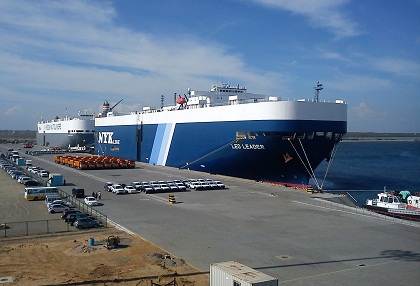
The high cost and political impact of Chinese-funded infrastructure in countries like Myanmar, Malaysia and Sri Lanka make it imperative for India to work with Japan to provide alternatives, to ensure that the region is neither bankrupted nor militarised by Chinese influence.
mahathir Courtesy: Reuters
24 May 2018

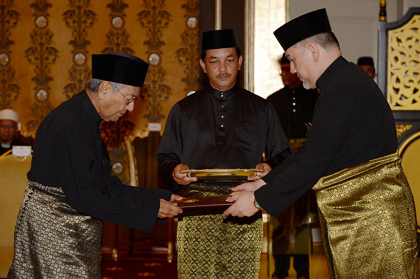
Mahathir’s Malaysian manoeuvres

Malaysia is in the eye of a different power game today. Fifteen years ago when Mahathir’s last tenure as prime minister ended, the United States loomed over the Asia-Pacific and Malaysia. Today it is an unlikely leader and Mahathir inherits a China-dominated Indo-Pacific and vexed internal politics. What changes in foreign policy will this entail?

aashna-china Courtesy: Gateway House
14 May 2018

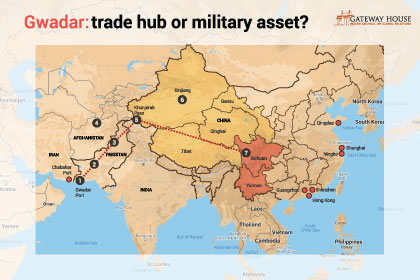
Gwadar: trade hub or military asset?

China’s ostensible intentions are to turn Gwadar port into a focal point of the China Pakistan Economic Corridor. But the geography of the region is a major stumbling block in the realisation of these ambitions and raises questions about the project’s underlying motives

india africa Courtesy: Exim Bank of India
12 April 2018

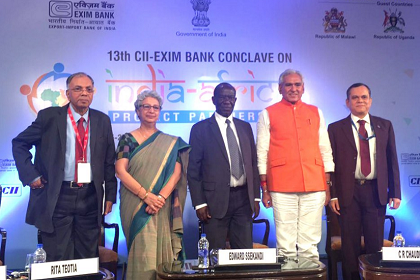
An economic agenda for India-Africa ties

The India-Africa economic partnership lags some way behind the diplomatic reciprocity the two countries share. Africa has had a trade surplus with India in the past decade, but increasing two-way trade of goods and services across sectors calls for serious promotional measures and removal of non-tariff barriers. The government, Indian business and their African partners need to devise an action plan that can take trade to $100 billion and investment to $75 billion by 2022

1T3A4596 Courtesy: Gateway House
13 March 2018

Addressing ‘the global gap’

The 44th G7 summit, held in Canada in the first week of June, ended on a tense, disunited note—not unlike the premise of Richard Haass’ 2017 book, The World in Disarray: American Foreign Policy and the Crisis of the Old Order. In this interview, the President of the Council on Foreign Relations discusses the role of international institutions, World Order 2.0 and how India can participate in it