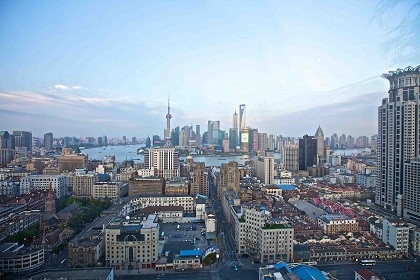
U.S.-Taliban deal: India in strategic role
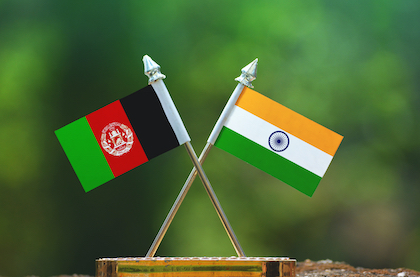
India should stop looking at Afghanistan through the Pakistan prism and be a major contributor in the development of peace and prosperity in the country

 Courtesy: Shutterstock
India should stop looking at Afghanistan through the Pakistan prism and be a major contributor in the development of peace and prosperity in the country
 Courtesy: Shutterstock
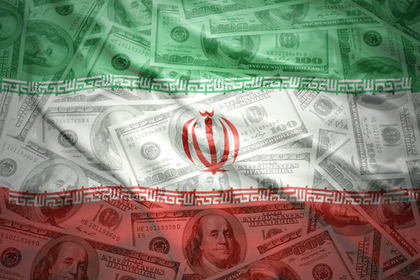
Oil prices, arms exports and conflict are inter related especially when it comes to the U.S. Its arms industry grows when high prices and conflicts coincide. This has kept West Asia on a perennial geopolitical boil. This infographic charts the highs and lows of U.S. arms sales, especially in the light of conflicts centred around West Asia
 Courtesy: Bloomsbury
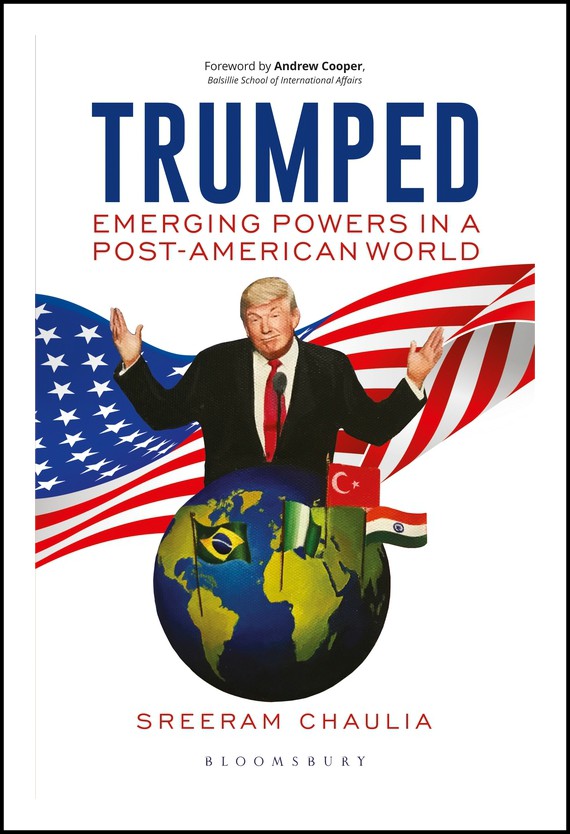
This book’s premise is that Donald Trump’s attempt to withdraw from various agreements, supposedly harmful to America’s interests, is an opportunity for regional players to come into their own. The author’s presentation of facts dazzles, but his recommendations are unspecific
 Courtesy: Shutterstock
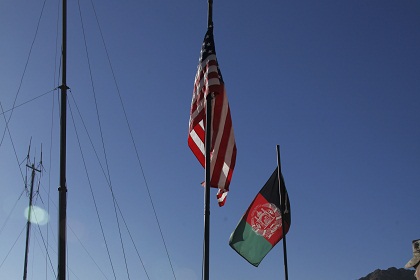
The United States’ decision to rebuild Afghanistan’s ring road was a change of strategy from its earlier focus on countering terrorism. But the road remains in a state of disrepair because the U.S.’ commitment to the cause has wilted
 Courtesy: Penguin
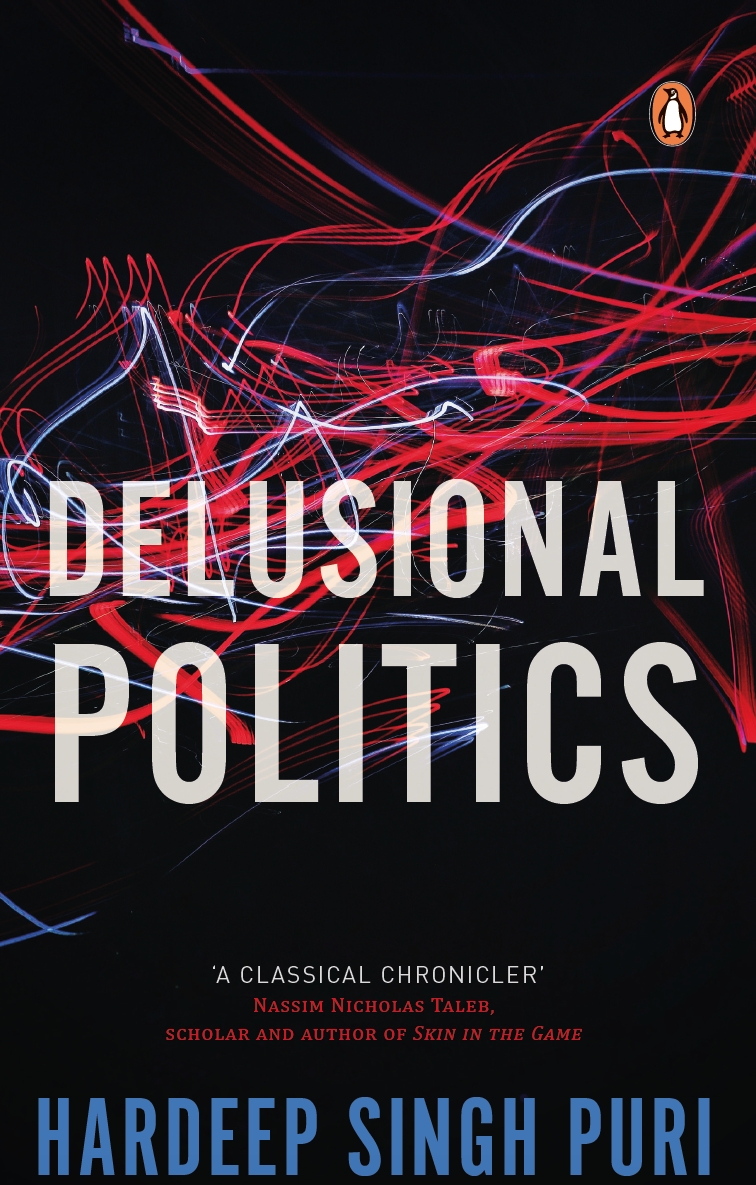
The apparently disparate themes that Hardeep Singh Puri analyses in this book cohere under his overarching thesis about delusional decision-making and its unexpected consequences, be it Brexit or the rise of populist leaders. His analysis includes an examination of the democratic process, the role of the media and the elusive nature of definitions
 Courtesy: Penguin
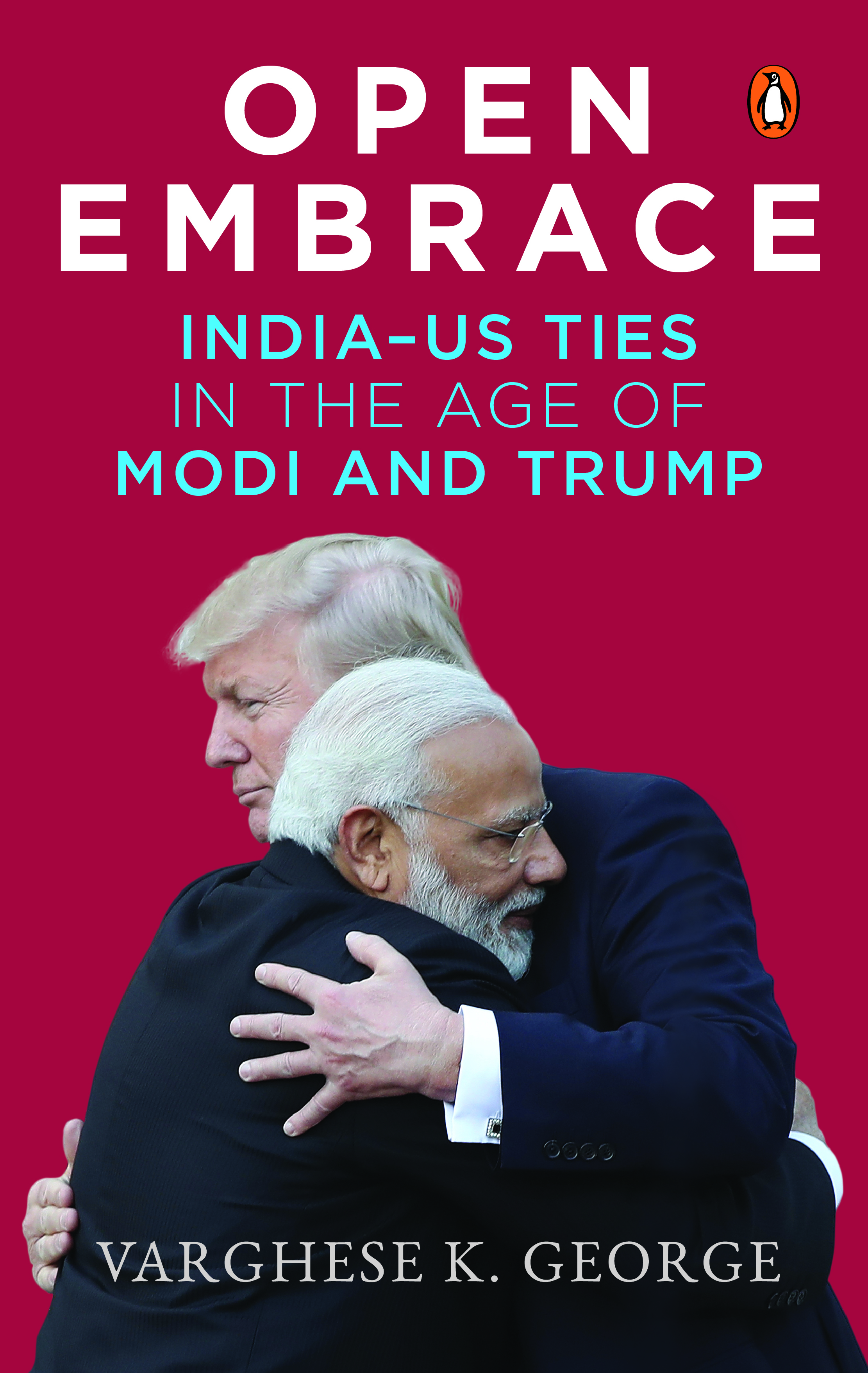
This book offers a ringside view of evolving Indo-U.S. ties under two conservative leaders, both engaged in mixing nationalism, religion and populism to advance the global capitalist order. The title points to an interesting departure from the more orthodox view of the bilateral relationship, which is usually from the prism of discord or estrangement
 Courtesy: MEA/Flickr
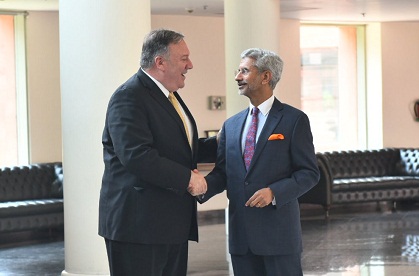
India’s foreign minister S. Jaishankar and U.S. Secretary of State Mike Pompeo have sorted through the India-US niggles and minutae, so that the substance of the bilateral can be advanced by their leaders who are meeting in Osaka this week
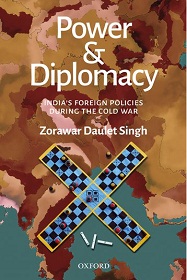 Courtesy: Oxford University Press
This account of India’s foreign policy under Jawaharlal Nehru and Indira Gandhi is an accomplished body of research into a period, usually studied primarily for India’s Non Aligned Movement. The author suggests that Nehru’s larger Asian, more global, view for India has therefore gone unnoticed
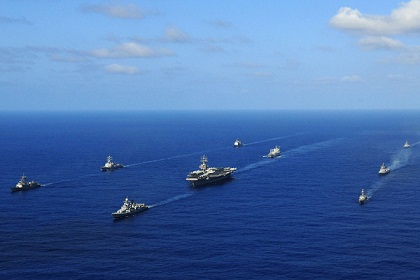 Courtesy: Pacom
Canada, which has been slow to respond to a changing trans-Pacific neighbourhood, can join India and the ASEAN member states to embark on a trilateral dialogue on the Indo-Pacific’s importance in terms of political, strategic and other domains. An alignment in outlook can strengthen the security and prosperity of a region, currently mired in U.S.-China rivalries
The Chinese leadership faces a range of economic problems and not very palatable solutions, says Prof Heribert Dieter, Visiting Fellow at Gateway House, Mumbai, and Senior Fellow, German Institute for International and Security Affairs, Berlin, in this wide-ranging conversation with Gateway House. He also analyses the European perspective on China, the U.S.-China trade war and the role of global forums, such as G20