Screenshot 2024-08-27 134557 Courtesy:
29 August 2024

If you must win, you must make your partner country a winner too

Foreign policy in the 21st century is underpinned by economic issues, in contrast to the 20th century when global politics and security aspects dominated diplomacy. Dammu Ravi, Secretary (Economic Relations), Government of India, discusses Indian diplomacy and how it navigates the G7 and BRICS, the opportunities and challenges for strengthening the Neighbourhood First policy in South Asia, and the country’s evolving economic diplomacy.

global s Courtesy:
27 August 2024

Voicing again, the Global South Summit

India hosted the third Global South Summit virtually on August 17. Such summits are a necessary platform to network with other developing countries and bring neglected issues to attention. But now they must do more than be tick-box events. They must have achievable milestones, actively share experiences and solutions, and show how they matter.

Brandt-line Courtesy: FinShots
8 August 2024

What exactly is the Global South?

The term Global South is no less ambiguous today than when it first originated in the 1960s. This time though, it is a big tent that accommodates all non-West aspirations, from the G77 to the Non-Aligned Movement to the Third World. It is a geopolitical fact rather than a geographical demarcation whose appeal lies in its ability to get to the heart of shared priorities and goals.

quad-foreign-ministers-tokyo-GettyImages-2163660814 Courtesy:
1 August 2024

An evolving Quad

The Quad foreign ministers meeting, held in Tokyo on July 29, took a clear position against China’s coercive actions in the East and South China seas. The four ministers have done their bit by reviewing the progress of the grouping’s many initiatives and reiterating its commitment to a free and open Indo-Pacific. For continued progress, the Quad now needs solid initiative from the top leadership – and a summit at the earliest.

Screenshot 2024-08-01 125830 Courtesy:
1 August 2024

China in South Asia

China and India both give great importance to their neighbours – the former through its Friendly Neighbourhood policy, the latter through Neighbourhood First. Although China has been increasing its influence in the region, narratives that say that India is losing out to China lack in-depth analysis. To deduce the future trajectory of China in South Asia, it is important to study both China’s and India’s relations with each of these countries, as also with each other.

Joint-Statement-following-the-22nd-India-Russia-Annual-Summit Courtesy:
18 July 2024

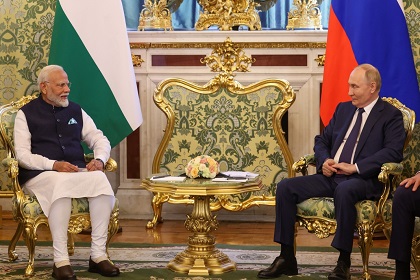
India-Russia relations march ahead

The 22nd India-Russia summit, held in Moscow on July 9 during Prime Minister Modi’s official visit, focused on expanding bilateral economic, energy, cultural and defense cooperation. It indicates the two nations’ commitment to adding substance and new momentum to their relationship. The long-delayed summit, which coincided with the NATO summit in Washington, should be viewed through the wider lens of a multipolar world.

handbook Courtesy:
27 June 2024

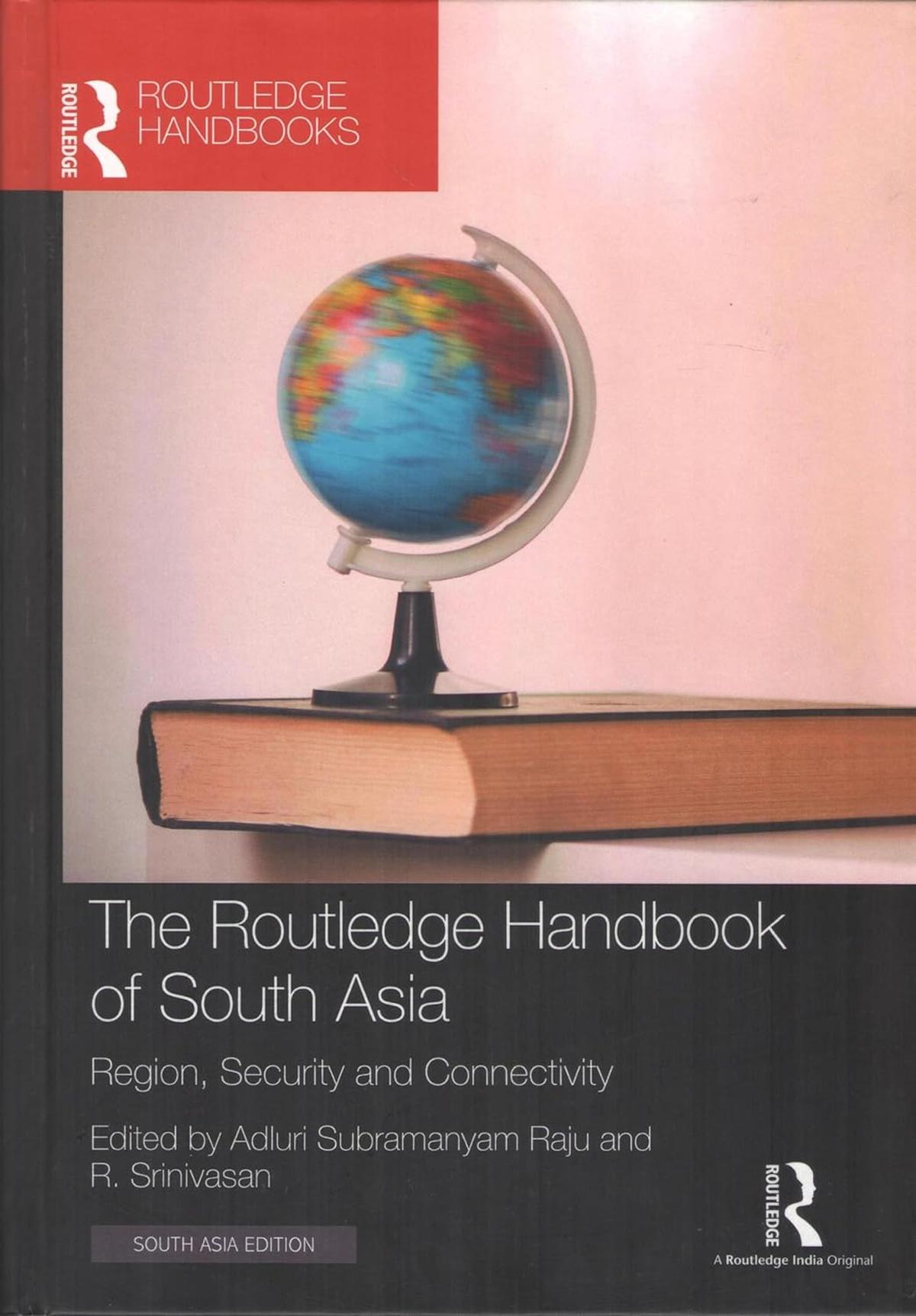
The Routledge Handbook of South Asia: Region, Security and Connectivity

The authors convincingly analyse the bewildering diversity, size and scale of the challenges of South Asia in a volume that is a rare treasure for those interested in deciphering the history, ethnic identities, colonial legacy, political economy, environmental risks, and geopolitical dynamics of the region.

g7-summit-1-6927406-1718390321112 Courtesy:
20 June 2024

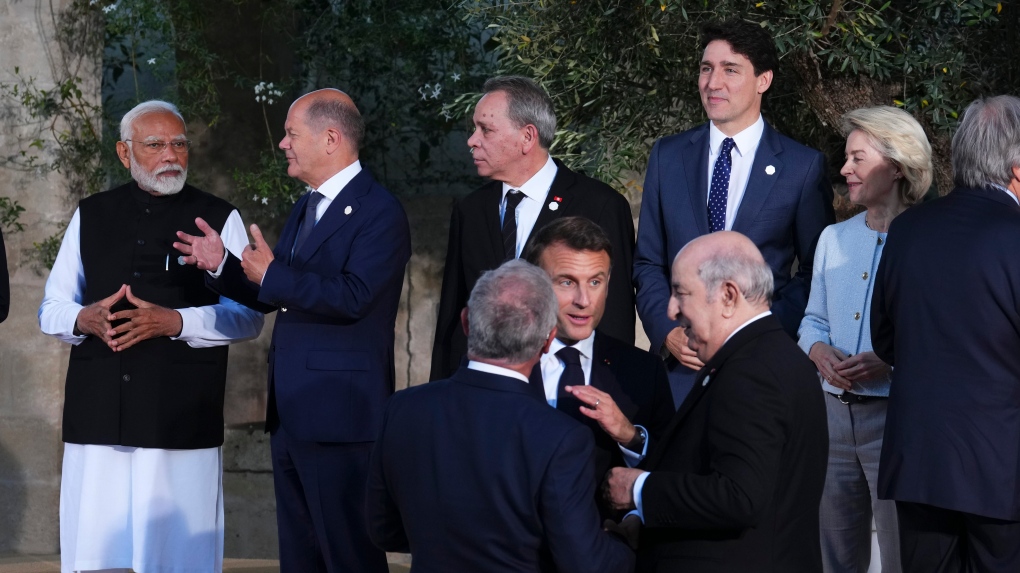
BRICS and G7: India’s trapeze act

Prime Minister Modi’s third term began with India’s participation at the BRICS Foreign Ministers Meeting in Russia and the Outreach Session of G7 in Italy. India’s participation at both conferences highlighted New Delhi’s continuing preoccupation with great powers. How Indian diplomacy navigates ties between the West and BRICS will shape and decide its strategic autonomy in a multipolar world.