e92550d47b6d4ed5ad131f474187f8a7_18 Courtesy: Al Jazeera
6 March 2017

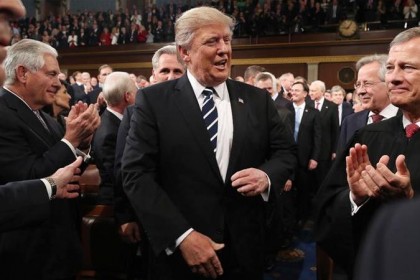
The Trump challenge: unpredictability as norm

Forecasting uncertainty is a full-fledged task for security and foreign policy analysts, but when countries resort to being unpredictable then it is likely to backfire. Uncertainty about his next course of action seems to be Trump’s defining characteristic. How India will manage this to better relations will be critical
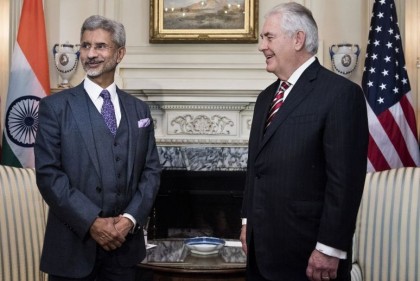
India's Foreign Secretary Subrahmanyam Jaishankar (L) and US Secretary of State Rex W. Tillerson Courtesy: AFP
6 March 2017

India-U.S.: continued ‘solid’ footing

Foreign Secretary Jaishankar’s third visit to the United States since Donald Trump's election is an indication of India’s commitment to engage with all-quarters in Washington with its full diplomatic might. Despite the current situation of concern due to the H-1B visa and the recent shooting of an Indian in Kansas, initial soundings are reassuring and positive.

silk road Courtesy: Wikimedia Commons
14 February 2017

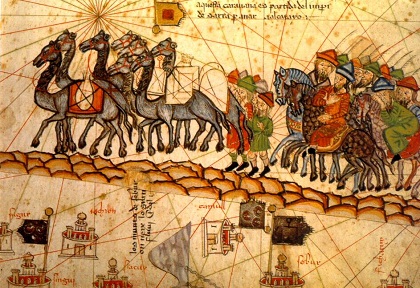
Interweaving the old Cotton and Silk Routes

China’s resurrection of the ancient Silk Road is ambitious, sprawling, hegemonic. Its pre-European origins, though, lay in a criss-crossing of nameless caravan routes on which Indian cotton was traded as vigorously as Chinese silk, tangible proof of the interdependence of two ancient civilisations over two millennia

28912263963_0b75893744_h Courtesy: MEA/ Flickr
14 February 2017

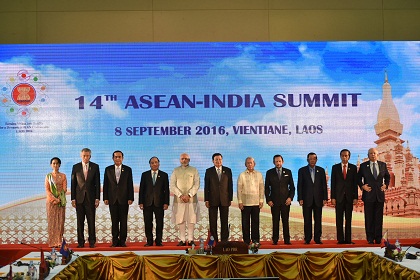
Indo-Pacific: a scenario of possibilities

The Indo-Pacific region is home to some of the largest and most rapidly growing economies as also powerful military forces. Nuclear threats, international terrorism and climate change are some of the issues that define the region. Uncertainty dogs relations among the four nations in the top league—U.S., China, India and Japan—but what is emerging is a hawkish, policy stance from the U.S. as opposed to an isolationist outlook apprehended earlier

uae prince india Courtesy: MEA/Flickr
25 January 2017

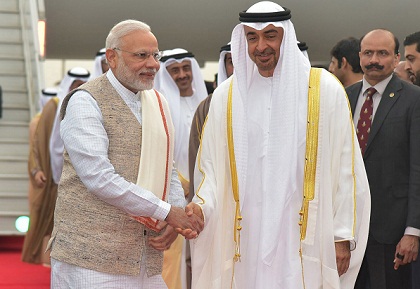
India-UAE: time to foster mutual interests

The West Asian monarchies are being forced to ‘look East’ due to a range of factors: the rise of the Islamic State, their need to boost falling oil revenues and doubts about the United States continuing to remain a guarantor of regional stability. Quite coterminously, India is looking towards the Gulf for energy security besides fulfilling other geostrategic goals: this is an ‘East’ and ‘West’ where the ‘twain will meet

31668713074_d6ee271be8_k Courtesy: MEA flickr
25 January 2017

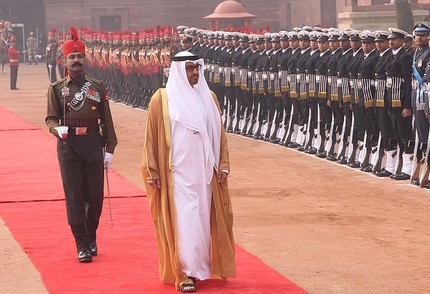
Revisiting India’s ‘Link West’ policy

The choice of the Crown Prince of the United Arab Emirates (UAE) to be the chief guest at India’s 2017 Republic Day celebrations is an indication of the enhanced attention that the Indian government is according the Gulf countries. Many trade interests ally India to the UAE, but a deeper engagement is called for even as instability grows in the region

China-SriLanka-Title Card Courtesy: Gateway House
1 December 2016

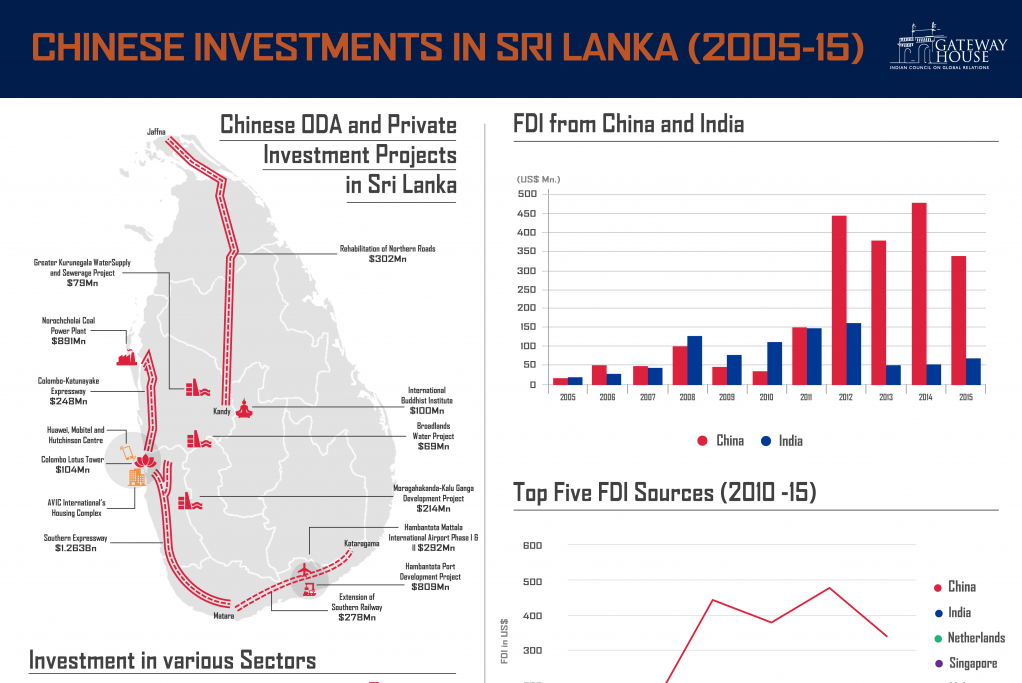
Chinese investments in Sri Lanka

China is the largest investor in Sri Lanka today, with funding and investment of nearly $15 billion. Gateway House tracks the Chinese money trail to Sri Lanka-- where it lands, where it stays--and assesses its depth. This is the second in the Gateway House Series on Chinese investments in South Asia.