Imperatives of regulatory diplomacy
Regulations are the new focus of economic statecraft. Their increasing importance is reflected in the negotiations on global financial standards, plurilateral trading rules, and regional economic unions.

 Courtesy: Quartz
Regulations are the new focus of economic statecraft. Their increasing importance is reflected in the negotiations on global financial standards, plurilateral trading rules, and regional economic unions.
 Courtesy: Livemint
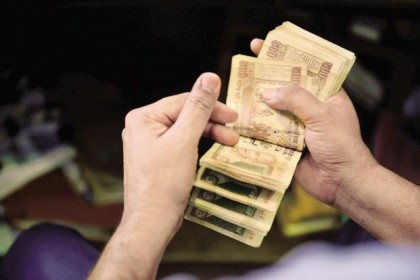
Indian infrastructure financing has for long suffered from rating concerns, but recent changes to credit enhancement are helping to plug this gap, enabling investment by foreign insurance and pension companies, and stimulating project exports.
 Courtesy: India Africa Forum Summit 2015
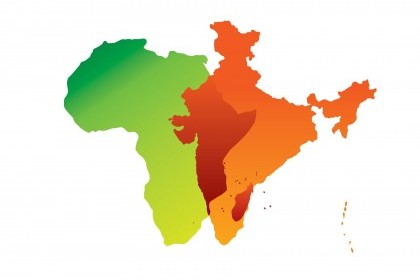
Prime Minister Modi’s tour of four African countries will seek to build upon recent high-level visits to the continent, providing fresh impetus for the reinforcement of India-Africa relations in matters of diplomacy, business, security, and energy while putting to rest criticism of India’s visibility deficit in Africa. However, the onus to harness this momentum now lies with other stakeholders.
 Courtesy:
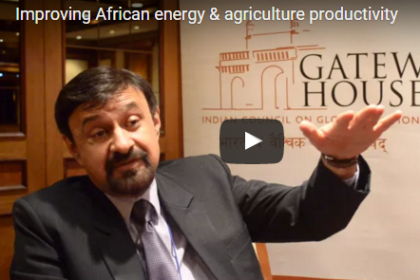
With Prime Minister Modi set to embarking on a four-nation tour in Africa, we recall the chat we had with Kapil Kapoor, Director of the African Development Bank, on the sidelines of The Gateway of India Dialogue, where he highlighted the kind of opportunities that have arisen in Africa to provide energy and food security.
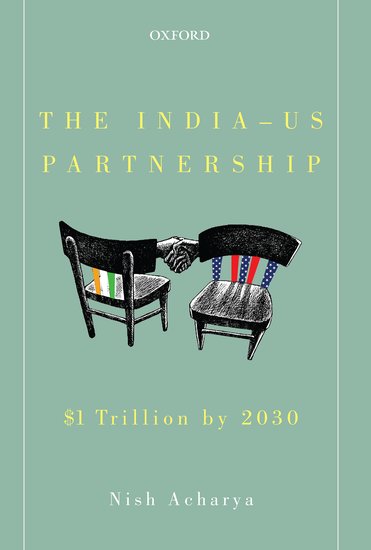
The story of U.S.-India relations is one of unfulfilled potential. Despite their common commitment to democracy, diversity, and free markets, the short- and long-term objectives have not aligned in a way that has enabled the creation of a robust economic and political partnership. These two nations, which will soon be the second and third largest economies in the world, must find ways to increase their economic integration over the next 10 years
 Courtesy: The First Mail
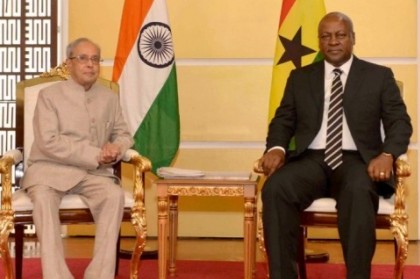
India now sees Africa as a promising market for Indian goods, services, and investments. This is evident in the government’s recent concerted focus on the India-Africa relationship—high profile visits by top leaders to African countries, a recasting of India’s development diplomacy, and an attempt to match action to past promises
 Courtesy: MEA / Flickr
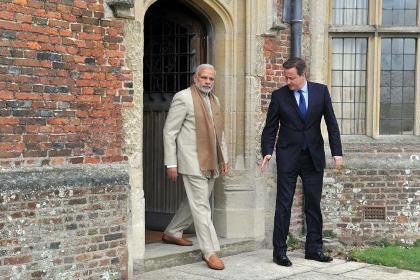
The result of the Brexit referendum is nothing less than a body blow to Bretton Woods organisations, International Monetary Fund-North Atlantic Treaty Organisation (NATO)-World Bank, that originated at the end of the Second World War. The possibility of an Asian century becomes more feasible, if India can be nimble enough to make the most of the opportunity which has presented itself in Europe.
 Courtesy: Wikipedia
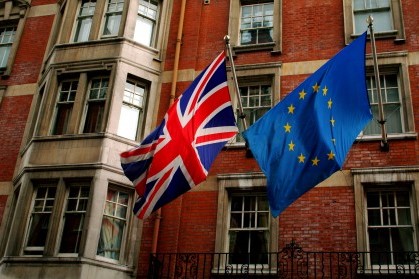
On June 23, the United Kingdom will vote on whether they wish to remain a part of the European Union through the Brexit vote. The debate surrounding the vote has spurred many a heated and emotional debate. While the Indian government has not declared anything publicly - remaining in the EU would be beneficial to Indian businesses.
 Courtesy: Gateway House
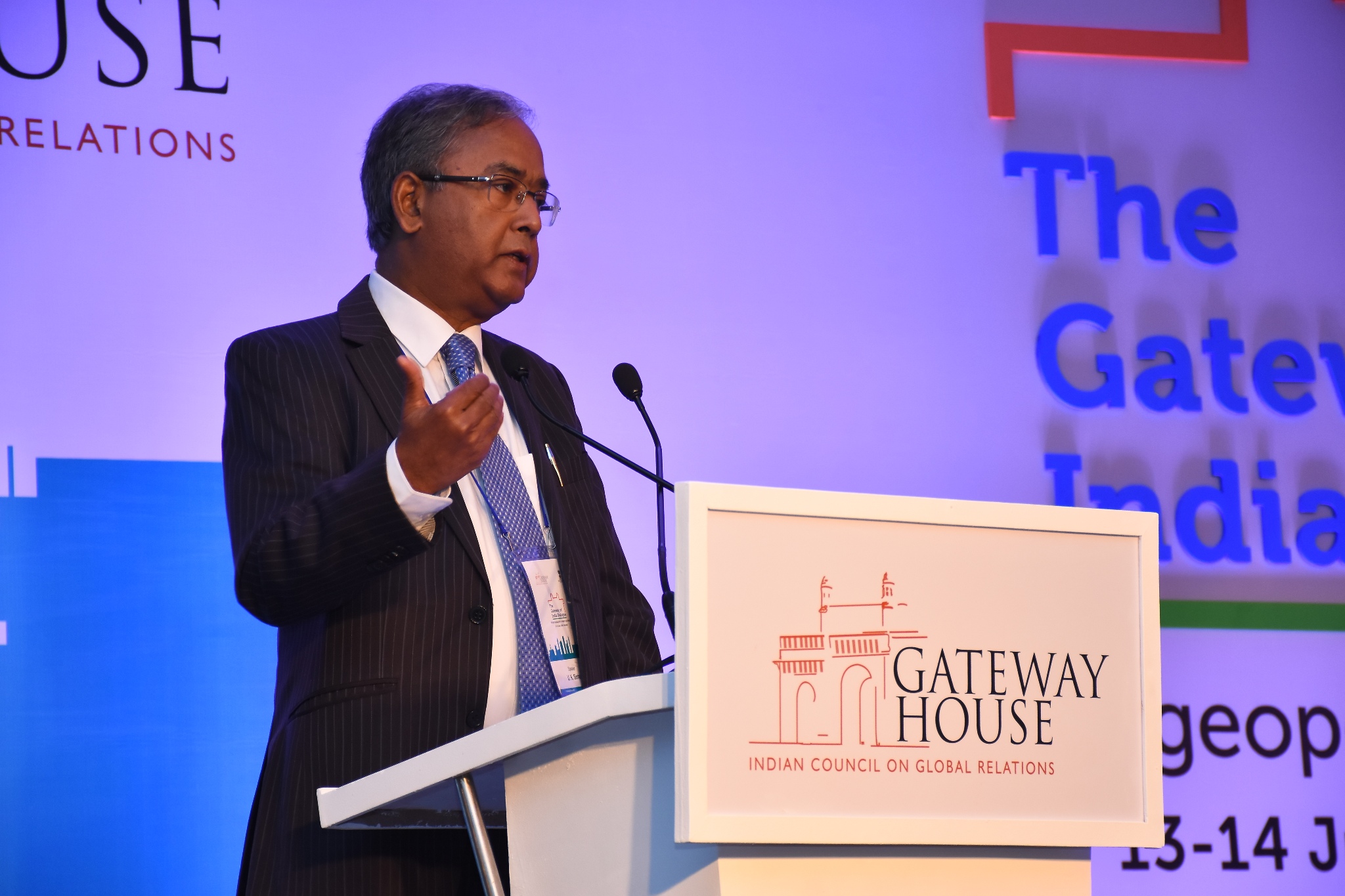
U.K. Sinha, Chairman of the Securities And Exchange Board Of India, delivered the keynote during the Breakfast Dialogue on The Politics of Global Capital at India’s first Gateway of India Dialogue conference in Mumbai, organised in association with the Ministry of External Affairs. Sinha's speech discussed the changing politics of global capital with the rise of new economies.
 Courtesy: Gateway House
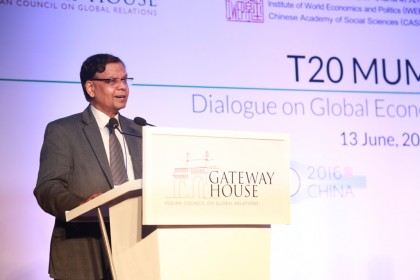
Arvind Panagariya, G20 Sherpa, Government of India, delivered the keynote address at the 2016 T20 Mumbai meeting hosted by Gateway House on 13 June. In his speech, he comments on the significance of China’s G20 Presidency for 2016, discusses India’s role in the G20, and recalls some of the most challenging negotiations he was part of as G20 Sherpa.
.png)