Byte but no BIT
Behind the hullabaloo and grand optics that will accompany PM Narendra Modi’s visit to the U.S. will be laser-focused discussions on enhancing the strategic trade and investment relationship
Courtesy: Wikipedia
Behind the hullabaloo and grand optics that will accompany PM Narendra Modi’s visit to the U.S. will be laser-focused discussions on enhancing the strategic trade and investment relationship
Courtesy:
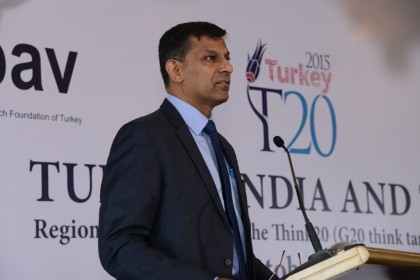
GLC Policy Conclave Session 1: The New Financial World Order Shashank Bengali (SB): So, Rajrishi, can you tell us basically what the circumstances were that led to the development of these new multilateral institutions? How did we get here? Read more
Courtesy: itkannan4u/pixabay
External integration—which the Trans Pacific Partnership and the Regional Comprehensive Economic Partnership will generate—has policy implications that India must manage well and quickly. As a first step, India can introduce the GST, among other measures, in order to become a more unified domestic economy.
Courtesy: PTI
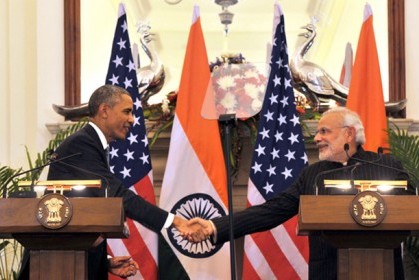
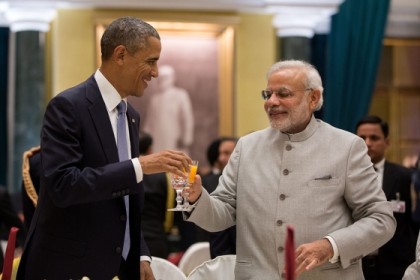
On his second trip to the U.S. next week, Modi will meet Obama to discuss various issues, including climate change and the civil nuclear deal; he will also visit Silicon Valley to explore innovation and social enterprise. But beyond the promises of this agenda, both sides must now devise deliverables that make the bilateral dream a reality.
Courtesy: openDemocracy / Flickr
If the Transatlantic Trade and Investment Partnership moves ahead after further negotiations were held in July, Indian exporters could be disadvantaged. Instead, India must be ready to use the further opening up of huge markets across the Atlantic, and adopt trade policies that mix regionalism and multilateralism.
Courtesy: Bharata Bharati
India, along with China, will present the case for food security protections at the WTO Ministerial Conference in Nairobi in December, where India will find it difficult to maintain its integrity as both a leader of G33 countries and a nation that has an expressed stake in the expansion of global trade. But it should stick to the G33’s Bali proposal for flexibilities for developing countries.
Courtesy:
The jobs of 6.5 million Indians working in GCC countries could be at risk due to the fall in global oil prices. Securing the interests of these workers should be on Prime Minister Modi’s agenda when he visits UAE on August 16-17
Courtesy: John Fischer/Flickr
Prime Minister Narendra Modi's outreach to the influential Indian diaspora in Silicon Valley in September should be centered on creating an Indian ecosystem for tech start-ups
The following is an excerpt from the book 'India-U.S:$1 trillion by 2030' by Nish Acharya, Visiting Fellow at Gateway House
Courtesy: Jitender Gupta
The revised Indian Financial Code brings some alterations to governance within the RBI. At the heart of these changes is the belief in a popular myth that lower interest rates will lead unquestionably to higher economic growth